


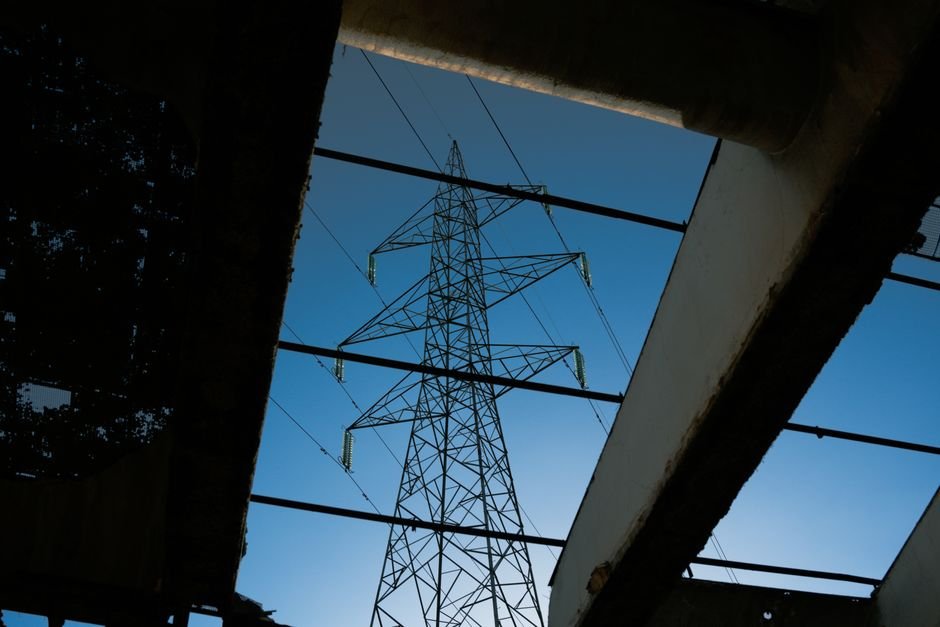
A severe heatwave has blanketed much of the United States, pushing the nation’s power grid to its limits and leading to emergency measures to prevent widespread blackouts. Millions of Americans are under extreme heat warnings, with temperatures soaring and electricity demand reaching near-record levels.
The country’s largest power grid operator, PJM Interconnection, which serves approximately 67 million people across 13 states and the District of Columbia, has activated emergency protocols. The operator has ordered customers enrolled in demand-response programs to reduce their electricity consumption during peak evening hours. This action is aimed at increasing reserve capacity and averting blackouts as air conditioning use surges with the extreme temperatures.
The U.S. Department of Energy has issued emergency orders to PJM, allowing it to direct large energy users, such as data centers, to switch to backup generators within 15 minutes if needed. These measures are intended to conserve electricity for residential customers and essential services like hospitals and 911 call centers. The emergency orders are a last resort, implemented before resorting to voltage reductions or rolling blackouts.
PJM Interconnection has been forecasting record electricity demand, with predictions indicating that demand could surpass the all-time record of 165.563 gigawatts set in August 2006. On Thursday, the demand reached approximately 163 gigawatts, close to the historical peak. The strain on the grid is compounded by generator outages and overloaded transmission lines. Wholesale electricity prices have also surged in response to the high demand.
The heatwave has significantly impacted July 4th celebrations across the country. In Washington, D.C., events on the National Mall were temporarily suspended due to heat-related illnesses, and the Independence Day parade was cancelled. New York City expanded cooling centers and extended pool hours. Utility provider Con Edison reported restoring power to about 60,000 customers while still addressing outages for over 22,000 users in the city and surrounding suburbs.
The extreme temperatures, with heat indices reaching up to 113 degrees Fahrenheit in some areas, pose a significant risk to public health. The National Weather Service has issued major or extreme heat warnings for approximately 160 million Americans. Experts warn that persistently high nighttime temperatures offer little relief, increasing the risk of heat-related illnesses.
The situation highlights the growing vulnerability of the U.S. power grid to extreme weather events. Factors such as increasing demand from data centers, the ongoing transition to renewable energy sources which can introduce variability, and aging infrastructure are contributing to the grid’s strain. Grid operators are implementing tighter coordination and demand-management tools to navigate these challenges.
The U.S. Department of Energy has also granted temporary relief from environmental permit restrictions, allowing power plants to operate at maximum output beyond normal emission limits. This measure, along with the directive for data centers to use backup power, aims to ensure the reliability of the power supply during this critical period. The emergency orders are scheduled to remain in effect through July 3, 2026.
Grid operators have emphasized that while the system is tight, they are leveraging all available tools to maintain power. However, the extended forecast of high temperatures suggests continued pressure on the grid through the holiday weekend, with gradual relief expected in the days following.


Global Affairs Desk at The Chenab Times covers international developments, global diplomacy, and foreign policy issues through fact-based reporting, explainers, and analytical pieces. The desk focuses on major geopolitical events, diplomatic engagements, and international trends, with an emphasis on verified information, multiple perspectives, and contextual understanding of global affairs.