


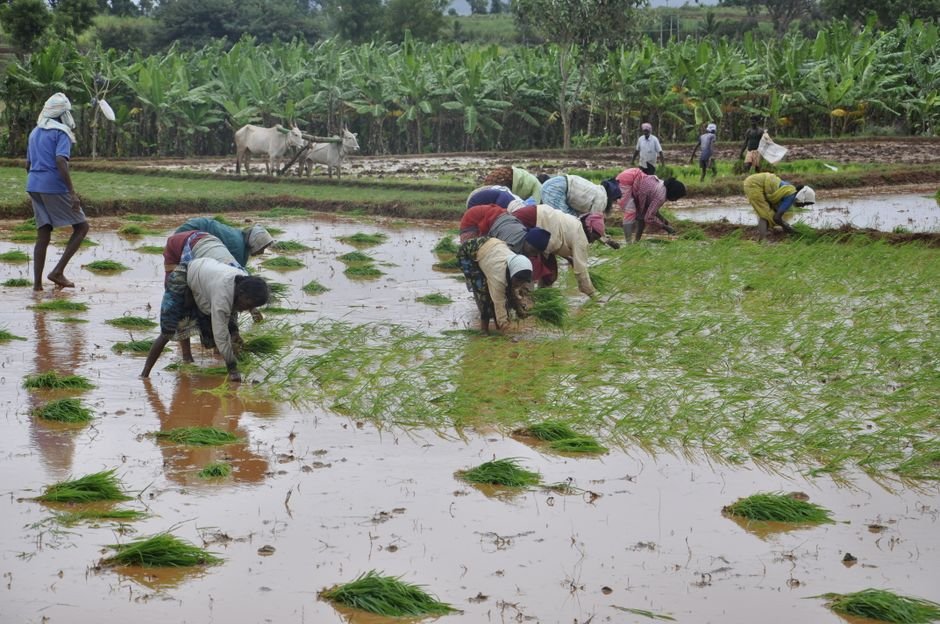
Officials in Karnataka are urging for comprehensive contingency plans to be put in place for the ongoing kharif sowing season due to a significantly delayed and weak southwest monsoon. The state is facing a potential drought-like situation, with reservoir levels critically low, prompting advisories to farmers to rethink their sowing strategies.
Contingency Plans and Drought Preparedness
Pankaj Kumar Pandey, Secretary to the Government, Department of Personnel and Administrative Reforms, directed officials in Kalaburagi district to prepare contingency plans, emphasizing the need to ensure adequate stocks of seeds and fertilizers for farmers should rainfall improve. He also stressed the importance of putting measures in place to guarantee uninterrupted drinking water supply if the rainfall deficit persists, advising the use of alternative sources like wells and borewells. Additionally, officials are tasked with maintaining sufficient fodder stocks for livestock and ensuring water supply to Kalaburagi city from the Narayanpur reservoir, with tanker water to be provided to affected localities if necessary. The State Government has reportedly placed ₹5 crore in the Personal Deposit (PD) account of every district specifically for drinking water supply, with further funds to be released as needed. Deputy Commissioners have been instructed to implement the state’s drought action plan at the district level.
Impact on Agriculture and Farmers’ Advisory
The delayed monsoon has adversely affected sowing operations in several parts of Karnataka. Reports indicate that sowing has progressed slowly, with only about 30% of the kharif sowing target achieved in some districts due to inadequate rainfall. Farmers are being advised to consider switching to short-duration and low water-requiring crops, with recommendations including paddy varieties suitable for deficient rainfall conditions. Alternate crops such as ragi, foxtail millet, maize, horse gram, cowpea, and sunflower are being promoted due to their lower water requirements and suitability for dry conditions. Farmers are also being urged to sow seeds in rows to improve moisture conservation and crop resilience. The government is also advising farmers to be cautious and align their agricultural decisions with monsoon progress and actual water availability in reservoirs, rather than relying solely on potential water release from dams and reservoirs.
Water Scarcity and Reservoir Levels
The water levels in Karnataka’s major dams have reached critically low points, exacerbating concerns about a potential water crisis. Inflows into reservoirs across the Krishna and Cauvery river basins have significantly declined, with some dams reportedly at only 20% of last year’s water levels. The Karnataka Chief Minister, D.K. Shivakumar, has highlighted the grim situation, warning of one of the worst droughts across the country and appealing to farmers to postpone agricultural activities until adequate rainfall is received and reservoir levels improve. The Chief Minister also noted that the Prime Minister has cautioned states about an acute shortage of water and power in the coming days. The state is also preparing for a possible power crisis due to reduced water levels in dams affecting hydel power generation, with instructions issued to stock coal and other essential materials.
Broader National Context
Nationally, India is experiencing a deficient southwest monsoon, with rainfall significantly below the long-term average. This deficit has led to a substantial drop in the sowing of key kharif crops across the country. The situation is compounded by the potential impact of El Niño, which climate experts warn could lead to one of the weakest monsoon seasons in years. The Reserve Bank of India has issued alerts regarding the potential macroeconomic fallout, including increased costs of essential commodities and inflationary pressures. States like Chhattisgarh have also issued advisories to farmers, recommending a shift to short-duration crops and water-saving cultivation practices.


The Chenab Times News Desk