

Late at night, at around 2:00 a.m. on July 7, a cloudburst struck Thathri town at two locations—one near RP Gate in Arif Mohalla in Ward No. 2 and the other near National Academy School in Ward No 3 and 4. These two places have repeatedly witnessed cloudbursts over the years. Once again, the disaster left behind a trail of destruction, damaging houses, schools, vehicles, and public infrastructure.

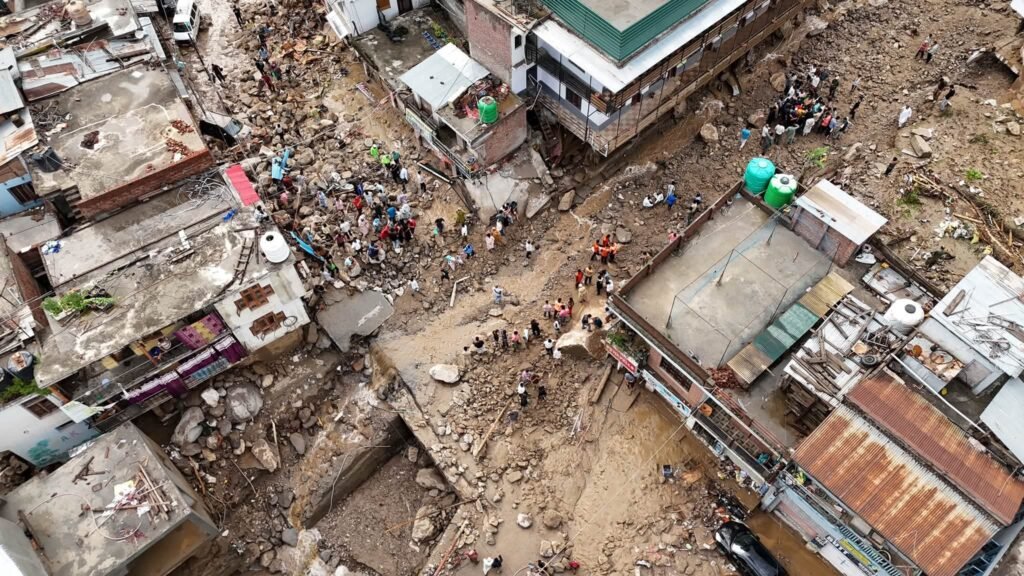
For the residents, this was not an isolated incident but another reminder of a recurring disaster that has affected the same nallahs almost every year. While intense rainfall is a natural phenomenon in mountainous regions, the scale of destruction raises serious questions about whether human actions have made these events far more devastating.
What Is a Cloudburst?
A cloudburst is an extreme weather event in which an immense volume of rainfall—typically 100 mm or more—falls over a small geographical area (about 10 to 25 square kilometres) within a very short period, usually less than an hour.
Cloudbursts are common in mountainous regions, where warm, moisture-laden air rapidly rises, cools, and condenses into towering cumulonimbus clouds. When these clouds suddenly release their moisture, the result is torrential rainfall capable of triggering flash floods, landslides, and debris flows.
How Does a Cloudburst Occur?
The process begins when moisture-laden air rises over mountain slopes and cools rapidly. Water vapour condenses into tiny droplets, forming towering thunderclouds known as cumulonimbus clouds.
Strong updrafts, or rising air currents, keep these droplets suspended within the clouds. As they collide and merge, they become larger and heavier. Eventually, the cloud reaches saturation and releases a massive amount of rainfall over a small area within a short period. This sudden downpour often results in flash floods, landslides, and debris flows.
The Impact on Thathri
As has happened repeatedly over the years, Thathri has once again witnessed widespread devastation. Homes have been reduced to rubble, a school has suffered severe damage, vehicles have been swept away, and families are left wondering whether they will have to relive the same nightmare next year.
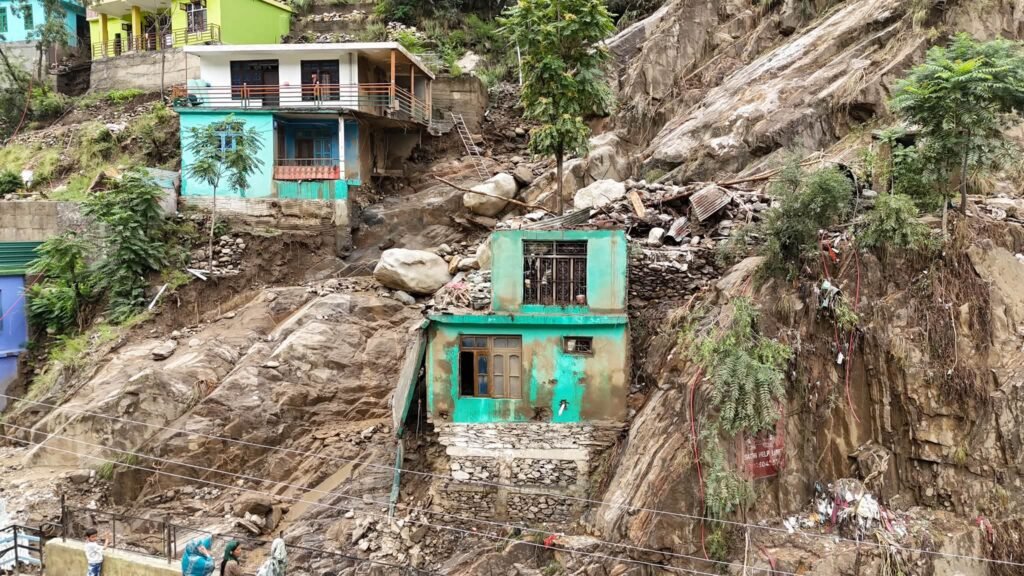
Officials may describe it as a cloudburst, but for the people of Thathri, this tragedy has become a painful annual reality. The same nallah that has overflowed repeatedly over the years continues to pose a serious threat. The question is simple: if this danger is well known, why has nothing substantial been done to reduce the risk?
From repeated observations over the years, it is evident that excavated soil and construction debris dumped into the nallah have significantly reduced its carrying capacity. During intense rainfall, this obstruction contributes to the destructive force of flash floods.
A mountain stream is not merely a seasonal drain; it is a natural channel capable of carrying enormous volumes of water during extreme weather. When its course is narrowed or blocked with debris, the consequences can be catastrophic.
When the cloudburst struck, the rushing water did not travel alone. It carried tonnes of loose soil, rocks, and dumped construction material straight into the heart of Thathri. What should have remained a flowing stream turned into a deadly torrent of mud and boulders, destroying everything in its path.
These observations demand serious scrutiny of planning decisions, construction practices, and the management of debris disposal in the area. While cloudbursts are natural events, their impact can be significantly amplified when natural drainage channels are obstructed.
How many more homes must collapse before the authorities recognise that mountain ecosystems cannot be treated as dumping grounds? How many more schools must be damaged before environmental safeguards become more than paperwork? How many more families must lose everything before accountability replaces excuses?
Development is essential, but development without environmental responsibility is a recipe for disaster. Roads must be built with scientific planning, proper drainage systems, slope stabilisation, and the safe disposal of excavated material—not by shifting the problem into natural water channels.
The people of Thathri deserve more than post-disaster relief packages and official visits. They deserve preventive action. They deserve transparent investigations into why the same nallah becomes destructive year after year. They deserve infrastructure that protects lives instead of increasing risk.
Nature may have unleashed the rain, but whether that rain becomes a tragedy is, to a significant extent, determined by human choices.

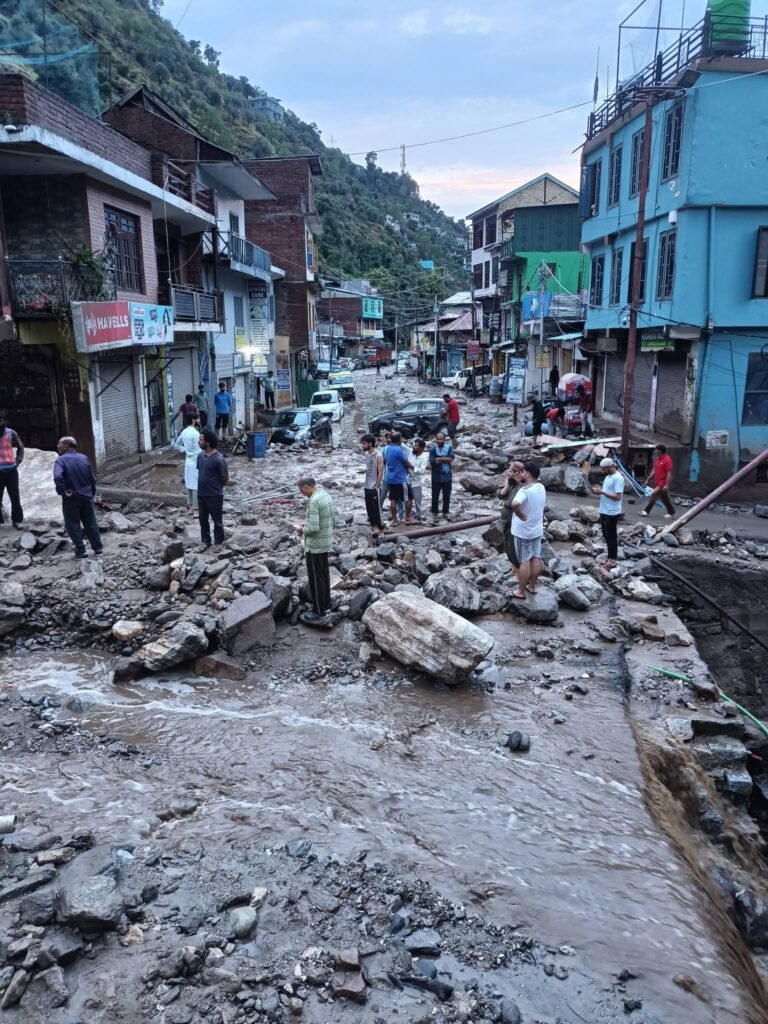
If the lessons of this disaster are ignored once again, then the next cloudburst will not merely be another natural calamity—it will be another preventable failure.
The people of Thathri should not have to fear the arrival of every monsoon. The time for promises has passed. The time for accountability, scientific planning, and decisive action is now.


Ifhaam Jigar Dar is a staff reporter covering Education news for The Chenab Times.