


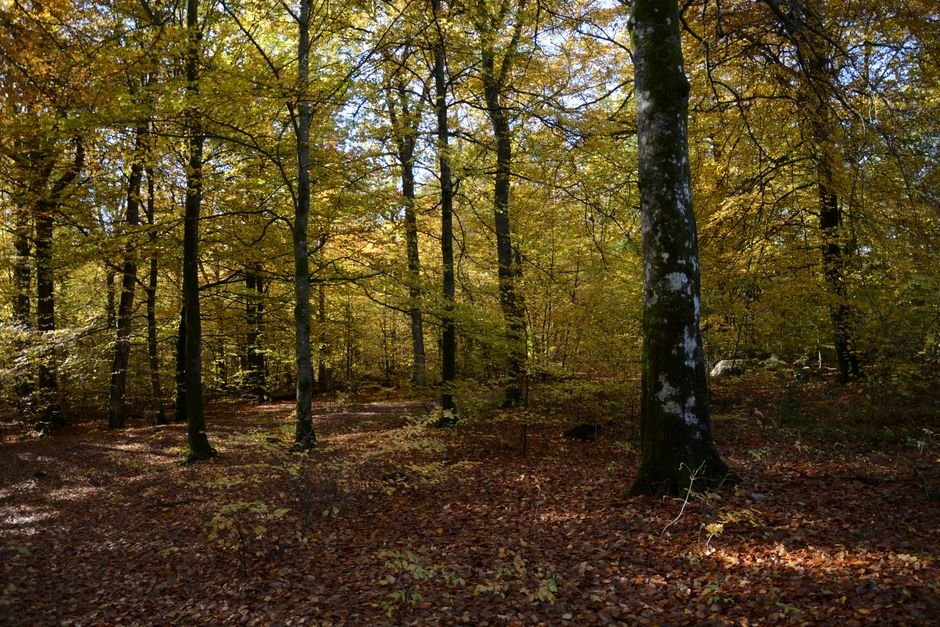
A significant wildfire erupted in the historic Fontainebleau forest, located south of Paris, on Sunday, July 12, 2026, prompting evacuations of nearby residential areas and causing major disruptions to train and highway traffic. The blaze, described as being of exceptional scale, is part of a series of wildfires affecting Western Europe amidst a severe heatwave.
Forest Fire of Unusual Proximity to Capital
The fire began late Sunday afternoon in the Fontainebleau forest, a region historically known as a royal hunting preserve and now a popular destination for visitors, situated approximately 60 kilometers (37 miles) southeast of Paris. The blaze rapidly spread across an estimated 800 hectares (2,000 acres) of forest and farmland by early Monday, an area larger than Gibraltar. Fire officials noted the unusual proximity of such a large fire to the French capital and described the situation as “very virulent” and of “exceptional scale.”
The interior minister, Laurent Nuñez, visited an operations center in Fontainebleau on Monday morning, stating that the primary objective was to contain the fire. He indicated that around 900 homes had been evacuated as a precautionary measure, though no homes were reported to have been burned and no injuries had occurred. An investigation into the cause of the fire is underway, with initial indications suggesting it may have been deliberately started, as the fire reportedly began at multiple points simultaneously. “The fire began at several points at the end of yesterday afternoon – around 10 points, which would suggest it could have been voluntary in origin,” Nuñez stated, adding that he could not comment further due to the ongoing investigation.
Disruptions and Response Efforts
The fire significantly impacted transportation networks. The A6 highway, a major north-south artery in France, experienced partial closures, causing considerable disruption to traffic heading southeast of Paris. Rail services connecting to the Gare de Lyon train station in Paris were also disrupted late Sunday, though they began returning to normal on Monday morning. The proximity of the flames to the A6 motorway necessitated its closure for approximately twenty kilometers between Soisy-sur-École and Nemours.
In response to the escalating situation, approximately 400 firefighters were mobilized to combat the blaze. For the first time in the Paris region, water-dumping aircraft, including two Canadair planes and helicopters, were deployed from the south of France to assist in firefighting efforts. These aerial resources, along with ground crews, worked to contain the fire, which was described as particularly challenging due to the forest’s terrain and peat-rich soil, allowing the fire to smolder beneath the surface.
Broader Context of Heatwaves and Wildfires
The wildfire in Fontainebleau occurs as France and much of Western Europe are experiencing their third heatwave of the summer. Temperatures in Paris have reached around 37 degrees Celsius (98 degrees Fahrenheit), with other areas in western and central France exceeding 40 degrees Celsius (104 degrees Fahrenheit). This extreme heat, combined with dry conditions, creates an environment highly conducive to wildfires.
This event is part of a larger trend of increased wildfire activity across Europe. In Spain, wildfires the previous week had resulted in at least 13 deaths and left 10 people unaccounted for. French officials reported that forest fires had already consumed 17,000 hectares of land in France by July 13, 2026, which is double the amount recorded for the same period in 2025. Scientists from the World Weather Attribution group have linked the increasing frequency and intensity of heatwaves to man-made climate change, noting that Europe is warming at twice the global average rate.
The containment of the Fontainebleau fire is expected to be a prolonged effort, with some officials suggesting it could take several weeks to fully extinguish the blaze. The impact on the forest, a significant natural and historical site, is a major concern, with local officials expressing deep regret over the damage. The fire also comes just days before the Bastille Day national holiday on July 14, a period typically associated with increased travel and outdoor activities.


Global Affairs Desk at The Chenab Times covers international developments, global diplomacy, and foreign policy issues through fact-based reporting, explainers, and analytical pieces. The desk focuses on major geopolitical events, diplomatic engagements, and international trends, with an emphasis on verified information, multiple perspectives, and contextual understanding of global affairs.