


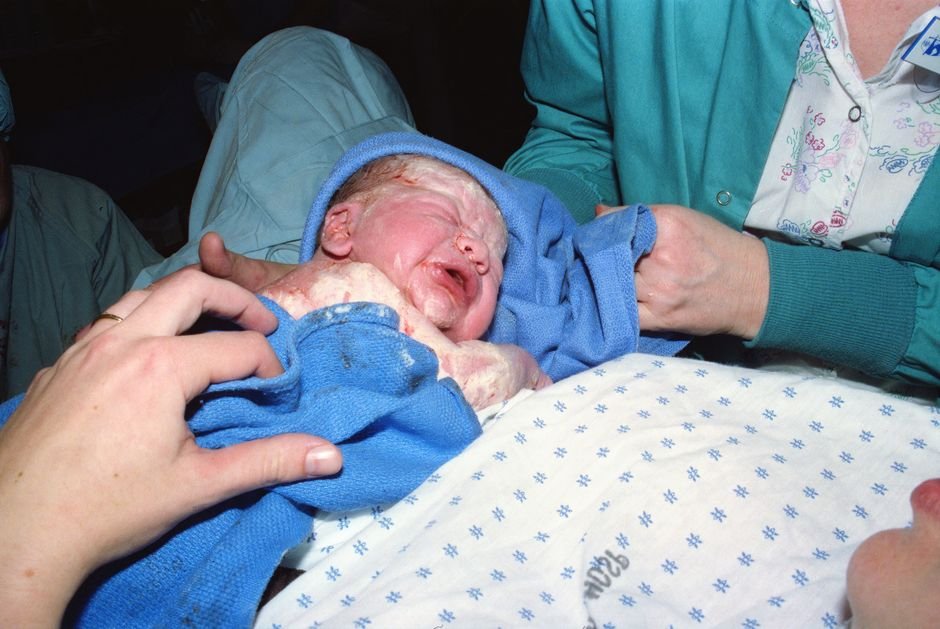
Two men who discovered they were switched at birth 38 years ago after DNA tests revealed the error are suing a North Dakota hospital, alleging the institution deprived them of the lives they were meant to lead.
The lawsuit, filed in federal court, accuses the hospital and its associated medical providers of negligence, intentional infliction of emotional distress, and breach of contract. The plaintiffs, identified as John Doe 1 and John Doe 2, claim that their biological families were kept apart and that they were raised by parents who were not biologically theirs.
According to details received by The Chenab Times, the men underwent DNA testing for personal reasons, which led to the shocking revelation of their swapped identities. The plaintiffs assert that the hospital’s failure to properly identify and track newborns resulted in this profound and irreversible error, impacting not only their lives but also the lives of their biological parents and siblings.
The lawsuit details a history of alleged negligence, stating that the hospital failed to implement adequate safeguards to prevent such a catastrophic mix-up. The plaintiffs are seeking substantial damages for the emotional distress, loss of familial relationships, and the denial of the upbringing and experiences they would have otherwise had. They claim that the hospital’s actions constitute a fundamental violation of their right to identity and familial connection.
The North Dakota hospital, which has not yet formally responded to the lawsuit in public statements, is expected to contest the claims. Legal experts anticipate that the case will likely focus on the statute of limitations, the burden of proof regarding the hospital’s alleged negligence, and the complex assessment of damages for a lifetime altered by a birth error. The families involved are reportedly grappling with the emotional fallout of this discovery, including the complexities of forming new bonds and reconciling their past with the newly revealed truth.
This case highlights the critical importance of robust identification protocols in healthcare settings, particularly in maternity wards. Medical professionals and legal analysts stress that the integrity of newborn identification processes is paramount to ensuring that individuals are united with their correct families. Failures in these systems can lead to lifelong consequences, as alleged in this lawsuit.
The legal challenge is expected to be lengthy and complex, involving extensive discovery and potentially expert testimony on genetics, obstetrics, and the psychological impact of such life-altering events. The plaintiffs’ legal team has stated that their primary goal is to hold the responsible parties accountable and to seek a measure of justice for the profound harm inflicted upon their clients and their families.
The discovery of being switched at birth is an extremely rare but devastating occurrence. In cases like these, the emotional and psychological toll on individuals and families can be immense. Reconnecting with biological families after decades of separation often involves navigating complex emotions and establishing new relationships under extraordinary circumstances. The lawsuit aims to quantify and address the damages resulting from these lost decades and the disruption of inherent familial bonds.
The North Dakota Supreme Court previously ruled in a similar case in 2016, allowing a family to sue a hospital for damages after a baby switch that occurred in 1989. That ruling suggested that such claims could be pursued if filed within a reasonable time frame after the discovery of the error, a precedent that may influence the current litigation. The specifics of when the plaintiffs became aware of the switch and when they initiated legal action will be crucial factors in the proceedings.
The lawsuit’s filing brings renewed attention to patient safety and the profound ethical considerations surrounding birth and family. The families are seeking not only financial compensation but also recognition of the irreversible impact of the hospital’s alleged errors on their lives and their potential futures. The outcome of this case could have significant implications for medical malpractice law and patient rights in cases of extreme negligence.
The plaintiffs’ legal team has indicated that they will present evidence detailing the circumstances of the birth and the subsequent lack of proper identification procedures at the hospital. They intend to demonstrate how these failures directly led to the lifelong consequences experienced by the two men and their families. The court will need to determine the extent of the hospital’s liability and the appropriate compensation for the damages claimed, which include loss of consortium, emotional distress, and the fundamental loss of a life’s trajectory.
The case underscores the fragility of identity and the deep-seated human need for biological connection. The legal battle is not only about financial redress but also about acknowledging the profound injustice of having one’s fundamental identity and familial relationships fundamentally altered due to an error at a critical juncture of life. The plaintiffs hope that this lawsuit will serve as a catalyst for stricter patient safety measures and accountability within healthcare institutions nationwide, ensuring that such devastating mistakes are prevented in the future.


Global Affairs Desk at The Chenab Times covers international developments, global diplomacy, and foreign policy issues through fact-based reporting, explainers, and analytical pieces. The desk focuses on major geopolitical events, diplomatic engagements, and international trends, with an emphasis on verified information, multiple perspectives, and contextual understanding of global affairs.