


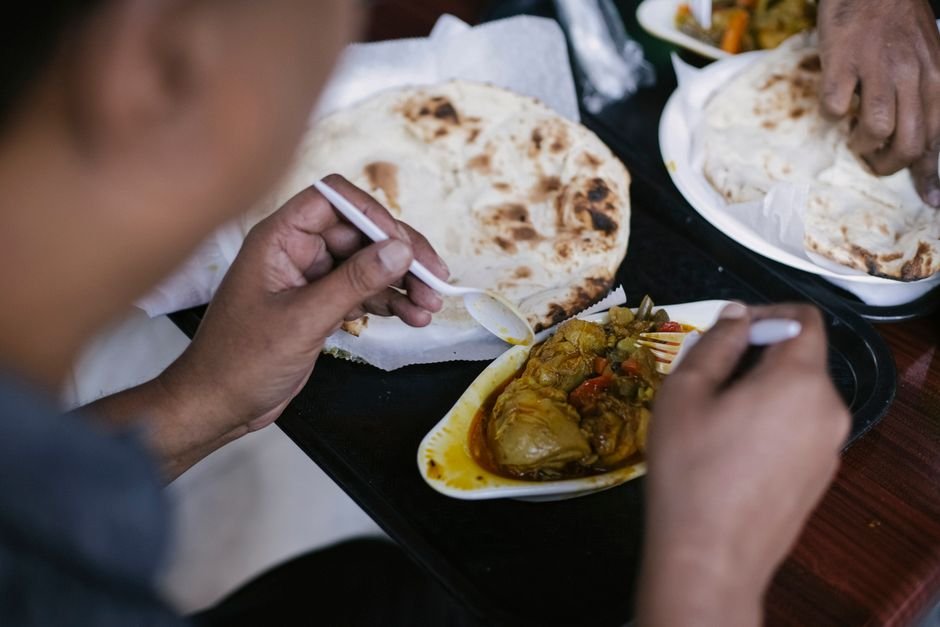
Aurangabad, Maharashtra – A culinary delicacy with roots stretching back over seven centuries, Naan Khaliya, originally conceived as a hearty meal for soldiers, has evolved to become a celebrated symbol of Aurangabad’s rich gastronomic heritage.
This traditional dish, a combination of succulent mutton curry and specially baked naan bread, owes its existence to the tumultuous period of the 14th century. Its journey began in 1327 AD when Muhammad Bin Tughlaq, the Sultan of Delhi, initiated the ambitious, albeit arduous, task of shifting his capital from Delhi to Daulatabad in present-day Maharashtra. The immense army and civilian population accompanying the Sultan faced significant challenges in sustenance during the thousand-kilometre journey.
To address this logistical challenge, the royal chefs, known as ‘shahi bawarchis’, devised an ingenious solution. They established makeshift camps along the route where they prepared large quantities of a simple yet filling meat dish, which became the precursor to the modern Naan Khaliya. This dish, initially referred to as ‘qalia’, was slow-cooked in large cauldrons called ‘deghs’, often utilizing readily available local spices. The bread, baked in primitive ground ovens, was a sturdy accompaniment designed to sustain the travelers.
The evolution of ‘qalia’ into ‘Naan Khaliya’ reflects the dynamic culinary landscape of India. Over centuries, as the dish traveled and was adapted in various regions, its ingredients and preparation methods diversified. In the courts of Awadh, for instance, the ‘qalia’ saw refinement with the incorporation of ingredients like poppy seeds, almonds, and caramelized onions, influencing dishes such as the Bengali Machher Kaliya.
In Aurangabad, Naan Khaliya has retained its distinct identity. The curry, a rich blend of mutton and a complex mix of spices, is often described as having a soupy consistency. A characteristic feature is the ‘tari’, a layer of spicy oil that forms on top of the curry. The naan, traditionally baked in clay ovens and brushed with turmeric and jaggery water for a golden hue and extended freshness, is distinct from the commonly found naan varieties.
Historically, the dish was not only a staple for soldiers but also a comforting and nourishing meal prescribed for the ill. Its status as ‘siphaaiyon ka khana’ or ‘fauji ka khana’ (soldiers’ food) underscores its utilitarian origins. This legacy of sustenance and comfort has carried through generations, making it a popular choice for celebrations and feasts in Aurangabad, including weddings.
While its historical roots are undeniable, the preparation of authentic Naan Khaliya requires considerable skill. Many establishments in Aurangabad specialize in this dish, with some having maintained traditional recipes for decades. The inclusion of specific local ingredients such as chironji seeds, desiccated coconut, and poppy seeds further enhances its unique flavor profile, making it a culinary treasure that embodies the historical resilience and evolving tastes of the region.


The Chenab Times News Desk