


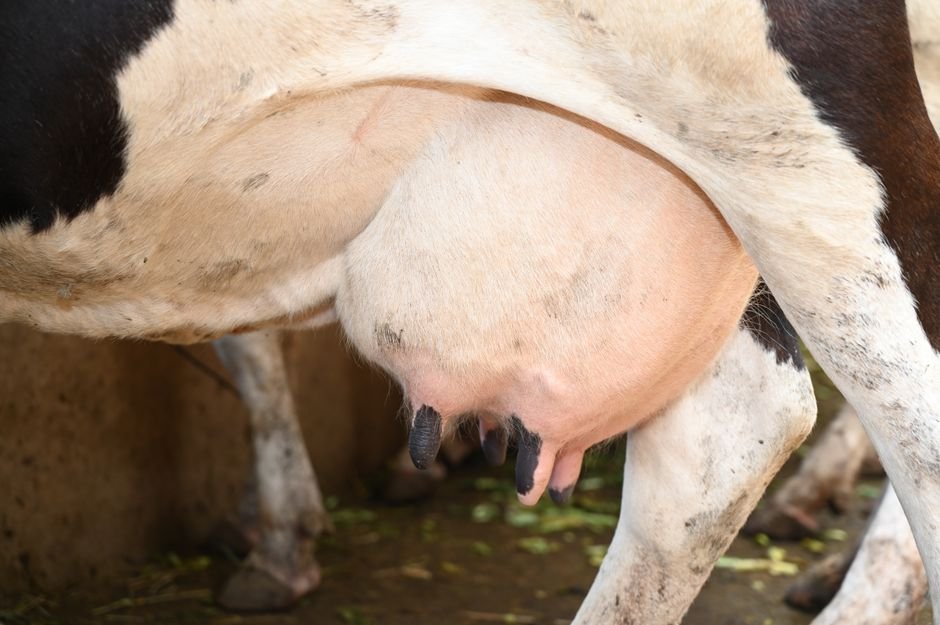
The Belagavi Milk Co-operative Society Union (BEMUL) is set to launch an innovative pilot project aimed at generating biogas from cow dung and farm waste. This initiative seeks to address waste management challenges in rural areas while simultaneously empowering farmers to become self-reliant in their power generation needs.
Pilot Project to Cover 150 Societies
As many as 150 out of BEMUL’s 669 affiliated societies have been selected to participate in the initial phase of this groundbreaking project. The union plans to encourage farmers within these selected societies to establish their own biogas units. Following the successful implementation of the pilot, the initiative is slated for expansion to encompass all associated societies.
BEMUL Chairperson Balachandra Jarkiholi announced the project details in Belagavi on July 20, highlighting its multifaceted objectives. The project aligns with broader national efforts to promote sustainable energy solutions and circular economy principles within the agricultural sector. Dairy cooperatives across India, supported by organizations like the National Dairy Development Board (NDDB), are increasingly exploring biogas generation from cow dung to create value-added products and reduce reliance on conventional energy sources. Recent reports indicate that dairy cooperative unions from 15 states have signed agreements with NDDB to establish biogas plants, utilizing various proven models. These initiatives aim to develop household-level manure value chains and large-scale biogas plants capable of producing bio-compressed natural gas (CBG), thus meeting the power and steam demands of dairy operations.
Empowering Farmers and Enhancing Dairy Operations
The biogas generated from cow dung and farm waste can be utilized for various purposes, including cooking fuel and electricity generation. This not only provides a sustainable and cost-effective energy alternative for rural households but also significantly reduces the environmental impact associated with waste disposal. The leftover slurry from the biogas digestion process also serves as a nutrient-rich organic fertilizer, further benefiting agricultural practices and improving soil health.
This initiative by BEMUL echoes similar successful endeavors across the country. In Karnataka, numerous dairy farm families supplying milk to organic players have already installed biogas plants, reporting significant savings on LPG cylinders and reduced dependency on external energy sources. These plants convert methane from cow manure into a sustainable source of renewable energy, with the digested slurry used as organic manure. Experts note that integrating dairy farming with decentralized energy systems like biogas enhances rural self-reliance, lowers input costs, and offers long-term sustainability benefits for the dairy ecosystem.
Broader Push for Sustainability in Dairy Sector
The BEMUL project is part of a larger trend in India’s dairy sector towards adopting more sustainable practices. Initiatives like the use of biodegradable packaging for milk products, as pioneered by the Karnataka Milk Federation (KMF) with its Nandini brand, further underscore this commitment. By switching to eco-friendly packaging made from plant-based materials, dairy cooperatives are actively working to reduce plastic waste and mitigate environmental pollution.
Mr. Jarkiholi also addressed other matters during the general body meeting, including efforts to expand milk supply to the Andhra Pradesh market and urging farmers to increase their contribution of buffalo milk to the Karnataka Milk Federation (KMF). He emphasized that BEMUL is reinvesting profits into supporting farmers through incentives, loans, and subsidies for equipment, aiming to enhance their economic well-being. The union has reported profitability for the second consecutive year, with a profit of ₹13 crore in the previous fiscal year, demonstrating a commitment to farmer welfare over tax burdens.


The Chenab Times News Desk