


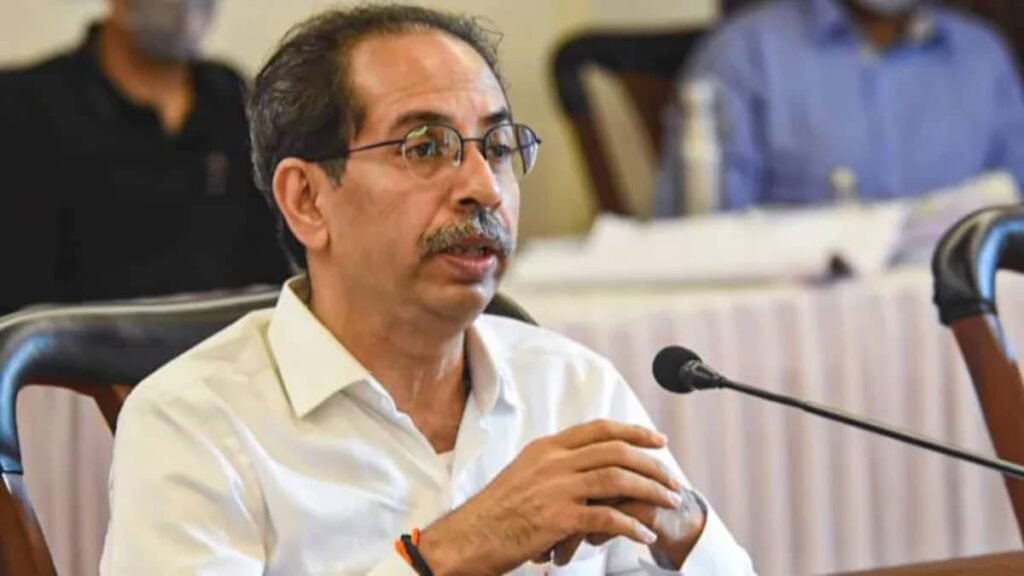
Maharashtra Navnirman Sena (MNS) chief Raj Thackeray has strongly criticized the central government’s handling of recent student protests, labelling the administration as “mentally ill” and in need of hospitalization. Thackeray’s sharp remarks came in response to the crackdown on students protesting irregularities in the National Eligibility cum Entrance Test (NEET) and the forced hospitalization of activist Sonam Wangchuk.
Protest Crackdown and Wangchuk’s Hospitalization
The protests, largely fueled by allegations of widespread irregularities and paper leaks in the NEET-UG examination, saw thousands of students and activists take to the streets in New Delhi. The demonstrations, organized by groups including the Cockroach Janta Party (CJP), culminated in a “Chalo Sansad” (March to Parliament) on July 20. Reports indicate that the Delhi Police employed measures such as lathi-charges, tear gas, and barricades to disperse the protesters. Prominent activist Sonam Wangchuk, who had been on a hunger strike for over 20 days at Jantar Mantar demanding accountability, was forcibly taken to Safdarjung Hospital by the police amidst heavy security deployment. Wangchuk’s health had reportedly deteriorated significantly during his protest.
Several opposition leaders, including Aaditya Thackeray and Rahul Gandhi, have condemned the government’s actions, describing the crackdown as a suppression of democratic rights and an “anti-India” move. Concerns have also been raised about the alleged detention of CJP founder Abhijeet Dipke.
Thackeray’s Scathing Condemnation
Speaking on the events, Raj Thackeray expressed his strong disapproval of the government’s response. “The Modi government is mentally ill and needs hospitalisation,” Thackeray stated, according to Indian Express reports. He further slammed the authorities for their approach towards the student protesters and the activist community. Thackeray’s criticism aligns with a broader wave of opposition condemnation that has targeted the Union Education Minister Dharmendra Pradhan, with protesters demanding his resignation over the examination scandals.
The NEET-UG controversy has plunged the education sector into crisis, with allegations of paper leaks affecting the future of lakhs of students. The MNS chief emphasized that transparency is crucial not only in NEET but in all examinations conducted across the country. He urged Prime Minister Narendra Modi to address the issue with the seriousness it warrants, highlighting the potential jeopardy to students’ futures due to these irregularities.
The protests have gained significant traction, with youth-led movements amplifying their demands through social media and public gatherings. The CJP, initially a satirical platform, has evolved into a significant voice for “burnt-out youth,” garnering millions of followers. The movement’s momentum surged following Wangchuk’s hunger strike and subsequent hospitalization, galvanizing support for demands for educational reforms and accountability from the government.
The crackdown in Delhi has drawn parallels to past protests, with opposition leaders like Aaditya Thackeray criticizing the government’s reliance on force over dialogue. They argue that such actions undermine India’s democratic fabric and demonstrate an unwillingness to engage with legitimate concerns raised by its citizens, particularly the youth.
As the situation unfolds, the demands for transparency in examinations and accountability for the alleged irregularities continue to resonate across the nation. Raj Thackeray’s strong statement adds another layer to the political discourse surrounding the handling of student dissent and the integrity of India’s examination systems.


The Chenab Times News Desk