


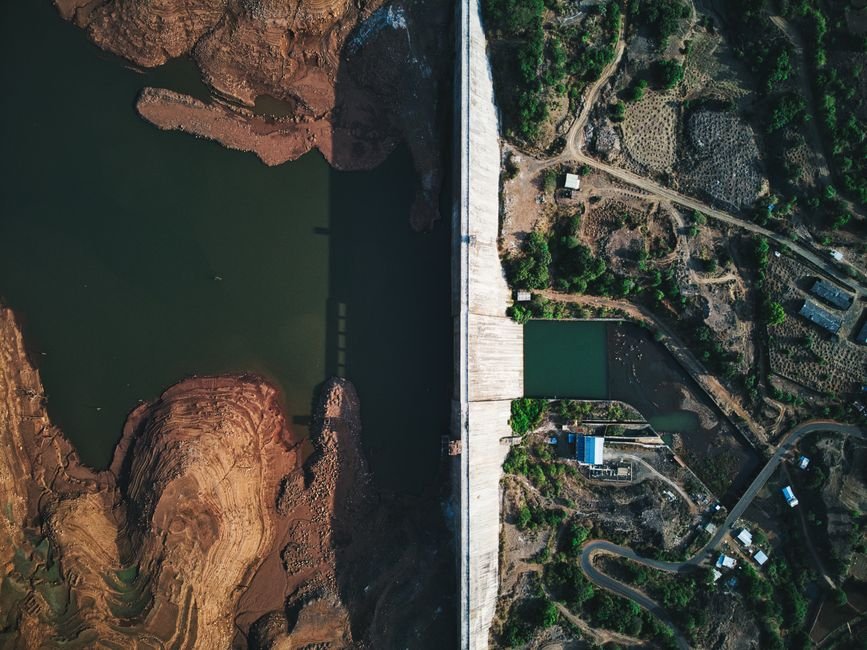
Pune has experienced significant rainfall in its catchment areas, leading to a substantial increase in water levels in the dams that supply the city. The Khadakwasla dam, along with the Panshet, Varasgaon, and Temghar dams collectively known as the Khadakwasla circle, have seen their storage surge, nearing the city’s annual water requirement.
As of July 22, 2026, the combined storage in the four dams reached 19.27 TMC, which is approximately 66% of their total usable capacity of 29.15 TMC. This level is close to Pune’s annual water requirement of about 21.03 TMC. The Khadakwasla dam itself held 1.43 TMC, representing 73% of its capacity.
In response to the rising water levels and increased inflows, authorities have issued warnings to citizens. There is a possibility of water being released from the Khadakwasla Dam spillway into the Mutha river downstream. Residents living along the riverbanks and in low-lying areas have been advised to remain vigilant, stay away from the riverbed, and to remove animals, vehicles, and other materials from vulnerable areas.
On July 8, 2026, heavy rains in the catchment areas caused a significant discharge from the Khadakwasla dam into the Mutha river. This led to waterlogging in some parts of the city, particularly in areas along Sinhagad Road. At least five families were relocated to safer locations due to the rising river levels.
The discharge into the Mutha river on July 8 initially began at a moderate rate and was gradually increased to 27,203 cusecs. Incessant rainfall over the preceding three days had contributed to the elevated water levels in the dams.
The Khadakwasla dam, with a relatively limited storage capacity of 1.97 TMC, quickly reaches its maximum limits when heavy inflows occur. Unlike larger upstream reservoirs, its compact size means that any excess water released flows directly into the Mutha river. In the past monsoon season, the Khadakwasla dam had released over 27 TMC of excess water into the river.
The Pune Municipal Corporation (PMC) has been drawing approximately 17 TMC of water annually, exceeding its entitlement of 14.61 TMC, due to population growth and urbanization. The city had previously implemented alternate-day water cuts in June due to delayed rainfall but lifted them in early July as the reservoirs refilled.
Inflows into the Khadakwasla dam system were reported to be substantial, with measurements at 8,851 cusecs at Khadakwasla, 4,606 cusecs at Panshet, 6,319 cusecs at Varasgaon, and 920 cusecs at Temghar as of July 22. Water planning is reportedly underway, taking into account dam operations, flood control, and expected rainfall.
The India Meteorological Department (IMD) has forecast an increase in rainfall activity across Maharashtra in the coming days. This is expected to further improve reservoir levels, with widespread and moderate showers anticipated from July 23, potentially benefiting the water storage in the region.


The Chenab Times News Desk