


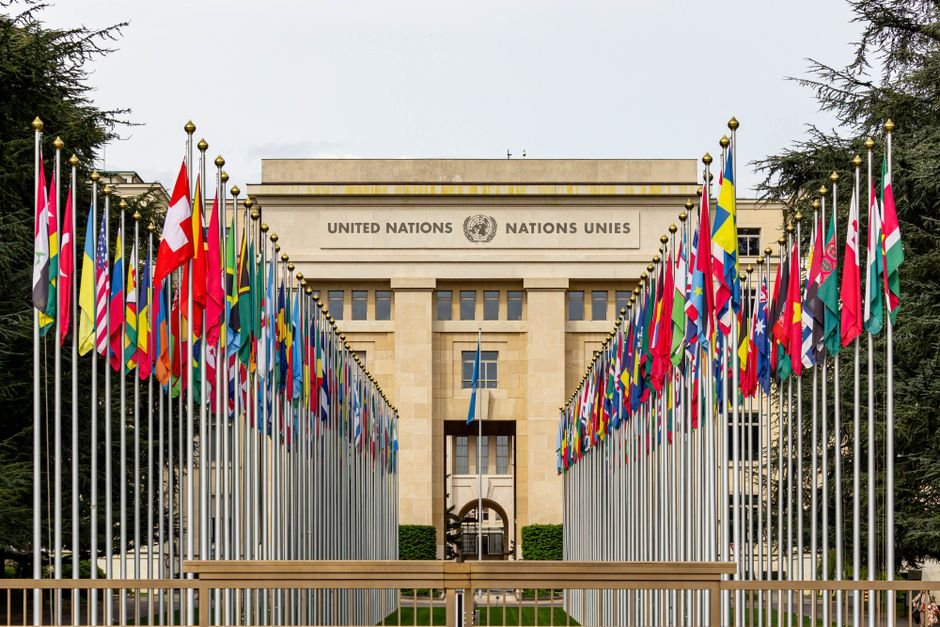
The United Nations Statistical Commission has officially endorsed the Global Disaster-Related Statistics Framework (G-DRSF), establishing the first comprehensive global statistical standard for defining, compiling, and utilizing disaster-related data. This landmark decision aims to enhance the quality, consistency, and comparability of statistics across national systems, fostering a more robust evidence base for disaster risk reduction worldwide.
A Unified Approach to Disaster Data
The Chenab Times has learned that the endorsement, made at the 57th session of the UN Statistical Commission, signifies a critical step towards a globally harmonized approach to disaster statistics. The G-DRSF integrates various data-producing entities, including National Statistical Offices (NSOs), National Disaster Management Offices (NDMOs), and other relevant agencies, within a unified statistical architecture. This collaboration is expected to strengthen national data governance and improve the overall quality and consistency of information related to hazardous events and their impacts.
The framework addresses a long-standing challenge of fragmented and inconsistent disaster data, which has hindered effective disaster risk reduction (DRR) efforts. By providing a common statistical foundation, the G-DRSF enables countries to better understand risks before, during, and after hazardous events. It facilitates the consistent and timely recording of impacts on people, such as deaths, injuries, and displacement; impacts on assets, including damage to housing, infrastructure, and ecosystems; economic losses and additional costs; and expenditures on DRR activities.
A key feature of the G-DRSF is its inclusion of non-event statistics, such as exposure, vulnerability, and coping capacity. This allows for a more comprehensive understanding of risk that extends beyond the immediate aftermath of a disaster, recognizing that impacts often reflect long-term patterns of exposure, vulnerability, and development choices. By measuring risk between disasters, countries can more effectively identify where risk is building and understand the underlying drivers of impacts.
Strengthening Evidence for Resilience
The G-DRSF is designed to align with and support major international agendas, including the Sendai Framework for Disaster Risk Reduction, the Sustainable Development Goals (SDGs), and the Global Goal on Adaptation. This alignment is crucial for countries reporting on progress and for informing evidence-based policymaking. The framework encourages the use of disaggregated data, such as by sex, age, disability, and geospatial characteristics, to improve risk analysis and ensure that interventions are targeted and equitable.
The development of the G-DRSF involved extensive global consultations and collaborative efforts, drawing on the expertise of official statistics, disaster risk reduction practitioners, geospatial information experts, and other national and international stakeholders. This ensures that the framework is grounded in both statistical standards and operational disaster risk management needs.
The United Nations Office for Disaster Risk Reduction (UNDRR) has been instrumental in this initiative, working to build capacity and promote the adoption of the framework. UNDRR has organized numerous training workshops and webinars, including regional events like the Pacific Webinar on the Global Disaster-Related Statistics Framework, to introduce the G-DRSF and explore its practical relevance for various countries and regions. These capacity-building efforts aim to equip national institutions with the necessary tools and knowledge to implement the framework effectively.
Broader Implications for Disaster Management
The G-DRSF provides a crucial evidence base for government planning and budgeting, enabling countries to move beyond metrics like Gross Domestic Product (GDP) as the sole measure of development progress. By offering a more comprehensive view of disaster impacts and risk factors, it empowers governments to invest more strategically in prevention, adaptation, and resilience-building measures.
The framework also supports systems like DELTA Resilience (Disaster and Hazardous Events, Losses and Damages Tracking and Analysis), developed by UNDRR in collaboration with UNDP and WMO. DELTA Resilience provides a standardized, nationally owned system for recording hazardous events and their associated losses, thereby supporting the production of official disaster-related statistics that align with global standards. This integration of data collection and statistical frameworks is vital for enhancing risk-informed development pathways and strengthening engagement with global mechanisms related to adaptation and loss and damage.
The successful implementation of the G-DRSF will require continued collaboration between national statistical offices, disaster management agencies, and other data producers. As disaster risks continue to evolve due to climate change and other factors, the availability of reliable, comparable, and comprehensive statistics will be paramount in guiding effective policies and actions to build a more resilient future for all.


The Chenab Times News Desk