


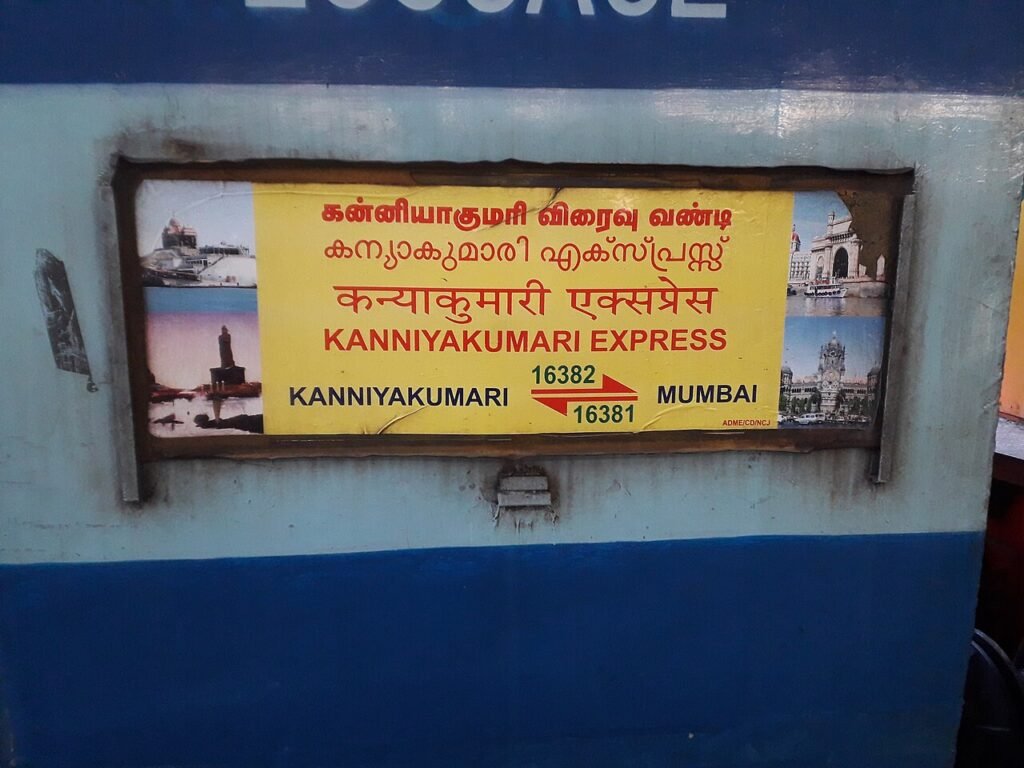
Mumbai, July 25: Commuters in Mumbai faced significant disruptions on Friday as heavy monsoon rains led to the cancellation and diversion of numerous local and long-distance train services. The inclement weather impacted both the Western and Central Railway networks, causing widespread chaos and inconvenience across the city and its surrounding regions.
The disruptions primarily stemmed from waterlogging on railway tracks and rising water levels in rivers beneath railway bridges, particularly in the Palghar and Gujarat border areas. Several sections of the Western Railway line reported water levels crossing danger marks, forcing authorities to suspend train operations as a precautionary measure. This led to the cancellation of at least 15 trains on July 24 alone, with more services affected on subsequent days.
Prominent long-distance trains that were cancelled included the Mumbai Central–Ahmedabad Express, Bandra Terminus–Ramnagar Express, Mumbai Central–Gandhinagar Vande Bharat Express, and the Bandra Terminus–Surat Intercity Express. Suburban services also bore the brunt, with local trains operating on a limited schedule or being short-terminated. For instance, the Churchgate–Dahanu Road local was terminated at Vangaon, and services between Vangaon and Dahanu Road were cancelled. The Dahanu Road–Borivali local had to originate from Vangaon.
On the Central Railway, disruptions were reported on the Mumbai-Pune corridor due to landslides between Karjat and Lonavala. Although restoration work was underway, with some lines already reopened, repairs on a third line continued, necessitating the cancellation and diversion of several services. These disruptions on the Central Railway were initially extended until July 25, affecting travel between Mumbai, Pune, and southern India.
The impact of the heavy rainfall was not limited to cancellations. Numerous trains were short-terminated or diverted, causing significant delays and leaving hundreds of passengers stranded at various stations, including Bandra Terminus. Passengers reported a lack of timely communication regarding the disruptions, leading to frustration and confusion. Railway authorities stated that help desks were set up, and efforts were made to distribute food and water to affected passengers, with refunds being processed.
Western Railway officials indicated that senior officials and engineering teams were actively monitoring water levels and inspecting tracks and bridges. Normal services were contingent on floodwaters receding and routes being declared safe for operations. The India Meteorological Department (IMD) had issued an orange alert for Mumbai and Thane, and a red alert for Palghar, predicting extremely heavy rainfall for the region, exacerbating the already challenging situation.
The extensive train cancellations and disruptions highlighted the vulnerability of Mumbai’s crucial rail network to extreme weather events. While suburban services are the lifeline for millions of Mumbaikars, their dependence on the network makes such disruptions particularly impactful, affecting daily life and economic activities across the metropolitan region.


The Chenab Times News Desk