


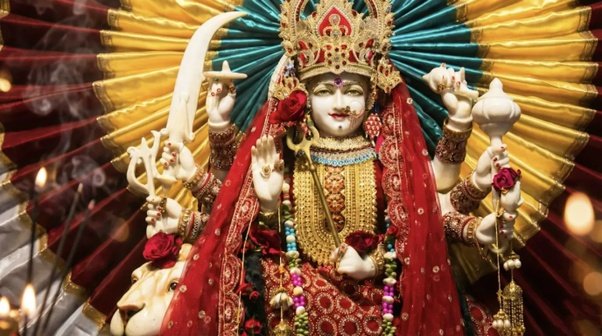
The Bhagyanagar Sri Mahankali Bonala Utsavala Ummadi Devalayala Uregimpu Committee has continued its annual tradition of offering a Golden Bonam to Goddess Kanaka Durga at her shrine in Vijayawada, Andhra Pradesh. This year marked the 16th consecutive year of this particular offering, highlighting a sustained cultural and devotional connection between Telangana and Andhra Pradesh.
Information was available with The Chenab Times that the sacred offering was made at the hill shrine on Indrakeeladri. The tradition involves devotees from Hyderabad, Telangana, carrying the Bonam—a pot filled with sacred ingredients such as rice, jaggery, and curd—to the temple. The Golden Bonam symbolizes a deep-rooted devotion and acts as a token of love, with the committee members viewing Goddess Kanaka Durga as a sister to Goddess Mahankali.
A vibrant procession accompanied the offering, showcasing traditional Telangana folk art forms including Pothuraju dances and Garaga Nruthyam. Devotees, particularly women, carried the Bonam pots on their heads, dancing with devotion and performing Ganga Puja at the Krishna River near Durga Ghat before reaching the temple. The procession was formally welcomed at the temple by officials, who received the Golden Bonam on behalf of the shrine.
The event saw a significant turnout of thousands of devotees from both Telangana and Andhra Pradesh, especially as it coincided with a weekend and the auspicious Ashadha month. In anticipation of the large crowds, temple authorities suspended the ₹500 special darshan and implemented enhanced crowd management measures to facilitate quicker darshan for general devotees. Arrangements were also made for devotees participating in the Saare Samarpana, providing them with free prasadam and blessings. In addition to the Bonam offering, various spiritual rituals such as Suryopasana, Chandi Homam, and Laksha Kumkumarchana were performed, drawing many devotees.
Bonalu, the festival from which the Bonam offering originates, is a significant Hindu festival celebrated primarily in Telangana in honor of Goddess Mahakali. The festival’s origins are often traced back to 1813, during a severe plague outbreak in Hyderabad, where devotees prayed to Goddess Mahakali for protection. The term “Bonam” itself is derived from the Telugu word for “meal” or “offering,” referring to the central ritual item of the festival: a decorated pot filled with cooked rice and other ingredients, symbolizing a devotional feast. While the plague narrative is common, historical evidence suggests the tradition of offering Bonam may date back much further, potentially to the 13th century or even prehistoric times, linked to monsoon seasons and the need for protection from diseases. The festival has evolved into a major thanksgiving observance and a celebration of cultural heritage for the people of Telangana.
The offering of the Golden Bonam by devotees from Hyderabad to Goddess Kanaka Durga in Vijayawada underscores the shared cultural and religious landscape of the Telugu-speaking regions, reinforcing the spiritual bonds that transcend state boundaries.


The Chenab Times News Desk