


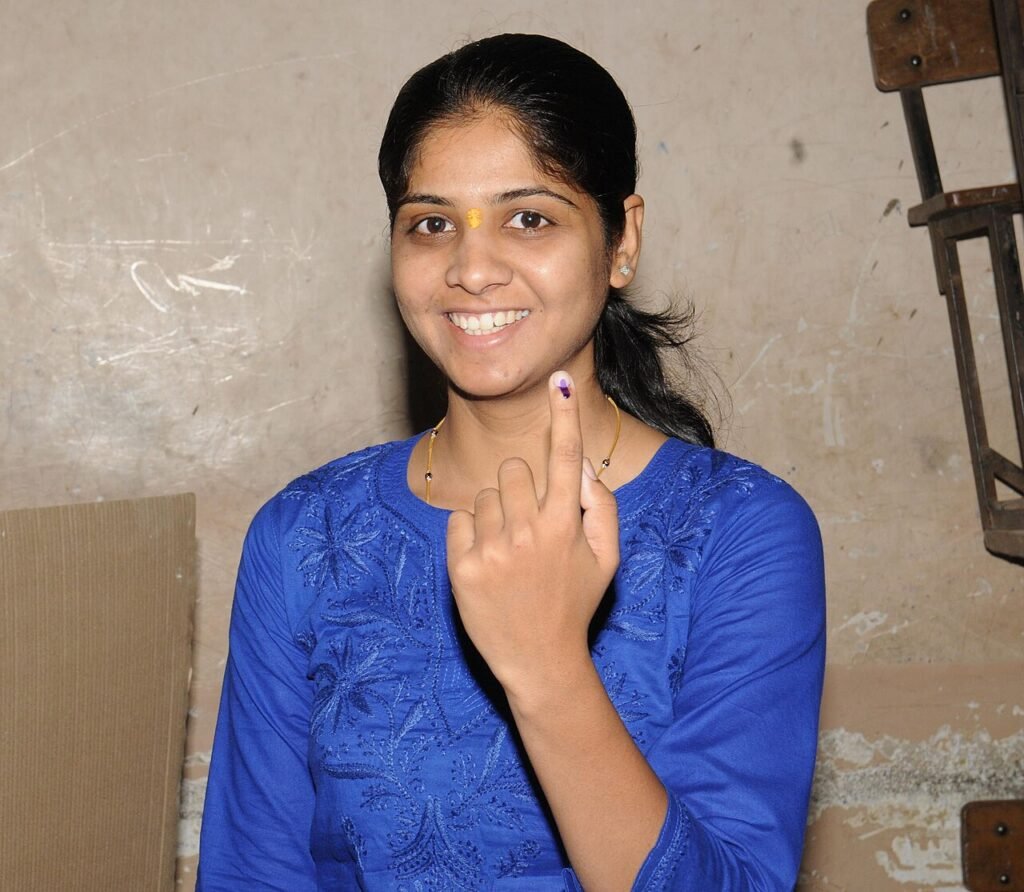
Concerns are mounting in Karnataka as the Special Intensive Revision (SIR) of electoral rolls reveals discrepancies where voters are being marked as ‘shifted’ despite residing at their original addresses. This issue, particularly prevalent in Bengaluru, has led to confusion and frustration among families attempting to update or verify their voter information.
Voter Discrepancies Emerge During Special Intensive Revision
Information was available with The Chenab Times indicating that numerous households in Bengaluru have reported anomalies during the ongoing Special Intensive Revision of electoral rolls. The primary concern is the erroneous marking of individuals as having moved, even when they continue to reside at the same household address. This situation has raised questions about the accuracy of the enumeration process and the potential impact on voter participation.
The Special Intensive Revision of electoral rolls is a standard exercise undertaken by election authorities to ensure the accuracy and completeness of the voter list. This process typically involves door-to-door verification by electoral registration officers or booth level officers to update details, add new voters, and remove deceased or permanently shifted individuals. However, the recent reports suggest a breakdown in this systematic approach in certain areas, leading to the misclassification of voters.
Residents have voiced their apprehension, noting that while their entire family remains at the same dwelling, one or more members are being inexplicably marked as having relocated. This can have significant implications, as voters marked as ‘shifted’ may be disenfranchised if their names are subsequently removed from the electoral roll for their original polling station. For many, maintaining their voter registration at their established address is crucial, especially in a dynamic urban environment like Bengaluru where frequent relocations are common for some segments of the population.
The implications of such errors extend beyond mere administrative inconvenience. Accurate electoral rolls are the bedrock of democratic processes. When individuals who are eligible to vote are incorrectly removed or marked as having moved, it can lead to a disenfranchisement of voters. This is particularly concerning during election periods when every vote counts. The process of rectifying such errors often involves considerable effort and documentation on the part of the voter, including providing proof of residence, which can be a deterrent for many.
In response to these reports, election officials have stated that the Special Intensive Revision is a preliminary exercise and that all discrepancies will be thoroughly reviewed. They have assured the public that mechanisms are in place to address grievances and ensure that no genuine voter is deprived of their right to vote. The process typically includes a period for claims and objections, where voters can report errors and provide necessary documentation to substantiate their claims. The Election Commission of India has a mandate to maintain a clean and updated electoral roll, and such exercises are crucial for achieving this objective.
However, the recurring nature of these complaints in different electoral revision cycles underscores the need for enhanced vigilance and accountability at the ground level during the enumeration process. Voters are being advised to actively participate in the revision process by checking their names and status on the electoral roll through the National Voter Service Portal or by visiting their designated electoral registration office. Proactive engagement by citizens can significantly help in identifying and rectifying errors before they lead to more serious consequences.
The Special Intensive Revision aims to capture demographic changes, address issues of duplicate entries, and ensure that the voter list accurately reflects the electorate. The current situation in Karnataka, with voters being marked ‘shifted’ erroneously, highlights potential systemic issues that require immediate attention from the Election Commission of India and state election authorities. Ensuring the integrity of the electoral process begins with accurate voter registration, and addressing these anomalies promptly is paramount to upholding public trust in the democratic system.


The Chenab Times News Desk