


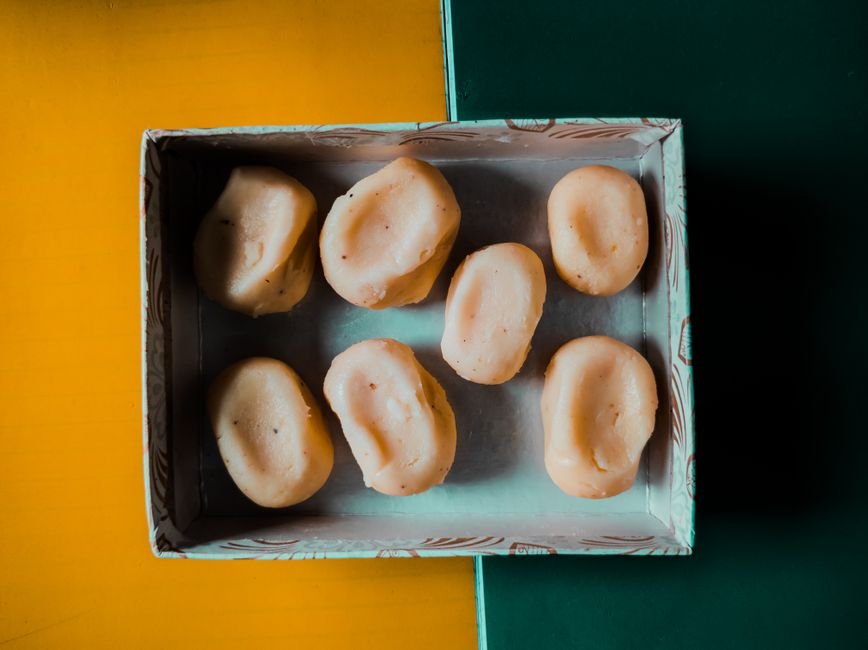
Pune residents are increasingly concerned as a growing number of sweet shops in the city have ceased displaying ‘best-before’ dates on their products. This change follows a decision by the Food Safety and Standards Authority of India (FSSAI) to make such labelling voluntary for loose sweets, a move that has reversed a previous mandate and left consumers struggling to assess the freshness and quality of confections.
Regulatory Change Sparks Transparency Concerns
The shift in policy, which took effect in November 2023, has led many sweet vendors across Pune to stop providing essential information such as manufacturing dates and ‘best-before’ dates. This has been met with apprehension from consumers who previously relied on these labels to make informed purchasing decisions. Rohan Jadhav, a resident of Dange Chowk, noted that while some shops still provide this information, the majority now omit it, along with price tags, leaving customers unable to judge the freshness and quality of the sweets they are buying.
Information was available with The Chenab Times indicating that the requirement for ‘best-before’ dates on loose sweets was initially introduced under the Food Safety and Standards (Packaging and Labelling of Food Businesses) Regulations, 2011. These regulations were later replaced by the Food Safety and Standards (Labelling and Display) Regulations in 2020, which continued the mandate. However, the FSSAI decided in November 2023 to make this rule voluntary, stating that its scientific panel required more time to deliberate on the proper declaration of dates for unpackaged goods.
Health Risks and Consumer Impact
Medical practitioners have raised concerns about potential health risks associated with the consumption of sweets lacking clear shelf-life information. Dr. Neha Patil, a medical practitioner from Akurdi, highlighted that sweets, particularly those based on milk, have a limited shelf life and are susceptible to microbial growth. Consuming stale or expired sweets can lead to various health issues, including food poisoning, headaches, vomiting, and gastrointestinal problems.
The absence of ‘best-before’ dates has also impacted consumer trust. Previously, consumers could easily gauge the freshness of sweets, especially during festive seasons when demand is high. Health activists argue that the presence of expiry dates is crucial for ensuring consumer safety. Reports from previous years indicate that authorities have previously taken action against sweet shops for non-compliance, with fines levied for failing to display ‘best before’ dates on packaged items.
In September 2021, the Pune division of the Food and Drug Administration (FDA) seized sweets and confectionery items worth over Rs 8 lakh, with 88 sweet shops facing scrutiny for not adhering to the ‘best before date’ norm for packaged items. Similarly, in September 2022, the FDA penalized 17 sweet shops in Pune for not displaying ‘best before’ dates on loose products during an intensified surveillance drive for the Ganesh festival.
Food Safety Regulations and Industry Practices
The Food Safety and Standards (Packaging and Labelling of Food Businesses) Regulations, 2011, and subsequently the Food Safety and Standards (Labelling and Display) Regulations, 2020, had established guidelines for date marking on food products. These regulations distinguished between ‘best before’ dates, indicating the period during which a food product remains marketable and retains its specific qualities, and ‘use by’ or ‘expiry’ dates, signifying the end of the period after which the food may not have the expected quality and safety attributes. While the ‘best before’ date suggests that food may still be safe to consume after the stated date, albeit with potential quality deterioration, the ‘use by’ date implies that the food should not be consumed thereafter.
The FSSAI’s decision to make date labelling voluntary for loose sweets has been attributed to the need for further scientific deliberation. However, this has led to a situation where consumers are left to rely on their judgment or inquire directly from vendors, potentially compromising food safety, particularly for perishable milk-based products that have a very short shelf life, often needing to be consumed within 24 hours.


The Chenab Times News Desk