


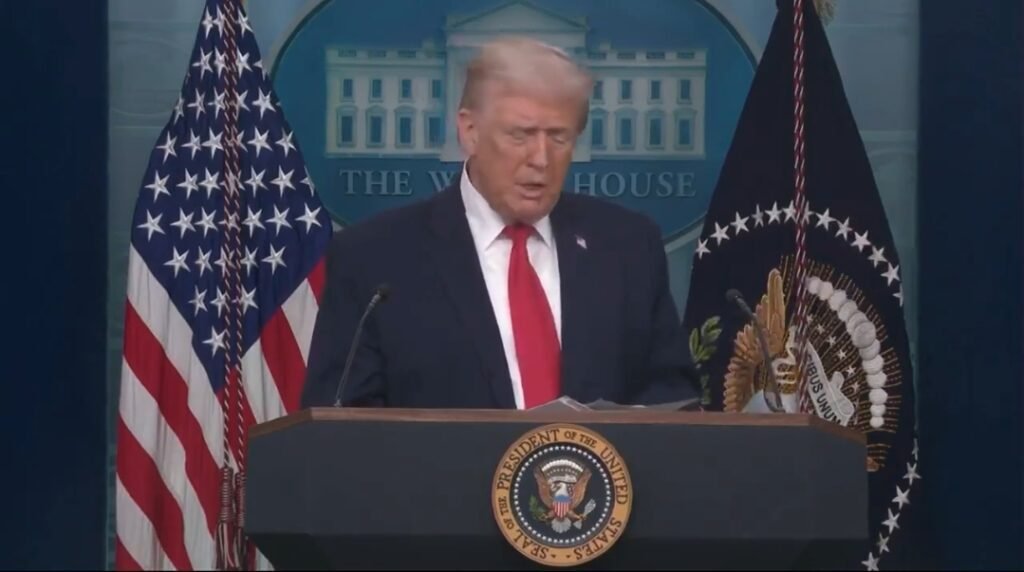
Former President Donald Trump has been actively advocating for an expansion of nuclear energy, a policy initiative that could potentially create lucrative opportunities for his family members and close associates, particularly in light of ongoing discussions regarding a nuclear deal with Saudi Arabia.
The Chenab Times has learned that while Trump’s domestic agenda on nuclear power is being presented as a move to bolster American energy independence and innovation, a closer examination reveals overlapping business interests between the former president’s circle and the burgeoning global nuclear sector. These connections have raised questions about potential conflicts of interest and the personal enrichment that could arise from such a policy shift.
Trump’s promotion of nuclear energy, which he has often framed as a clean and reliable power source, has taken on renewed significance as his administration, and potentially a future one, engages with international partners on nuclear technology and infrastructure. The proposed nuclear cooperation with Saudi Arabia, in particular, has become a focal point, given the Kingdom’s ambitious energy diversification plans and the substantial financial and strategic implications of such an agreement.
The former president’s business dealings and those of his family have historically been intertwined with real estate, hospitality, and other sectors. However, a pivot towards promoting nuclear energy suggests a potential new avenue for investment and development. Experts in the field note that the global nuclear energy market is complex and capital-intensive, often involving long-term contracts and significant governmental oversight. This environment can present unique opportunities for well-connected individuals and entities.
Reports have indicated that Trump’s family members and associates have existing or potential ties to companies involved in energy, infrastructure, and international investment. The specifics of these relationships are often opaque, but any significant expansion of nuclear power, whether domestically or through international agreements, could create a landscape ripe for lucrative contracts, consulting roles, or joint ventures. Critics argue that the former president’s consistent push for policies that could benefit his business empire warrants rigorous scrutiny, especially when national security and international relations are involved.
The political advocacy for nuclear energy by Trump appears to go beyond a simple policy preference. It is a stance that aligns with the interests of certain business communities that stand to gain from increased investment in nuclear power plants, fuel production, and related technologies. The framework for international nuclear cooperation, particularly with countries like Saudi Arabia, involves intricate negotiations over technology transfer, safety standards, and regulatory frameworks. These processes can be influenced by political considerations and existing business relationships.
The potential benefits are not solely direct. Indirect advantages could include increased valuations of companies with existing nuclear holdings or strategic partnerships, enhanced market access for firms looking to enter the nuclear sector, and broader economic opportunities within countries undergoing nuclear development. The Trump Organization itself has a history of seeking global business ventures, and a robust international nuclear program could offer new horizons.
Concerns have been amplified by the recurring themes of transparency and accountability surrounding Trump’s business activities. While proponents of nuclear energy highlight its role in combating climate change and ensuring energy security, the intertwining of this critical national and international policy with the personal financial interests of political figures introduces a layer of complexity that demands careful examination by lawmakers, regulators, and the public.
The specifics of any nuclear deal with Saudi Arabia are subject to ongoing diplomatic discussions and regulatory approvals, including those from the U.S. Nuclear Regulatory Commission and potentially the International Atomic Energy Agency. However, the political backing for such initiatives, particularly from a prominent figure like Trump, can significantly shape the landscape for international partnerships and commercial opportunities within the nuclear industry.
The former president’s consistent engagement on this issue, coupled with the substantial financial stakes involved in global energy markets, positions his actions as a subject of significant public and governmental interest. The potential for personal or familial financial gain alongside policy advocacy is a dynamic that has drawn scrutiny in past political administrations and is likely to continue to do so in the context of Trump’s renewed influence on energy policy.
The broad implications of such policy pushes extend beyond immediate financial gains. They can shape long-term energy infrastructure development, influence international geopolitical alignments, and set precedents for how energy policy is crafted and implemented. The intersection of a former president’s political agenda with potentially vast economic opportunities in a highly regulated and strategically sensitive industry remains a critical area for continued reporting and analysis.
As discussions around nuclear energy and international cooperation, particularly with the Middle East, continue to evolve, the former president’s role in shaping this discourse and the potential ramifications for his business interests are likely to remain a significant aspect of the broader political and economic narrative surrounding American energy policy and its global reach.


Global Affairs Desk at The Chenab Times covers international developments, global diplomacy, and foreign policy issues through fact-based reporting, explainers, and analytical pieces. The desk focuses on major geopolitical events, diplomatic engagements, and international trends, with an emphasis on verified information, multiple perspectives, and contextual understanding of global affairs.