


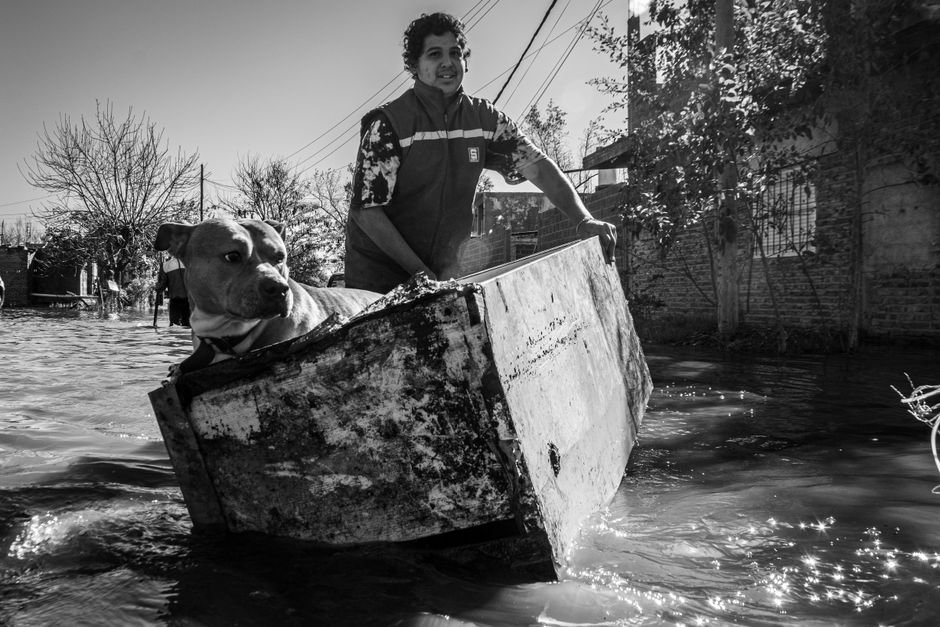
A comprehensive new report from the United Nations Office for Disaster Risk Reduction (UNDRR) underscores the escalating vulnerability of developing nations to natural disasters and calls for immediate, intensified efforts to build resilience.
The Chenab Times has learned that the report, released this week, details a disturbing trend of increasing disaster impacts, particularly in regions with limited resources and infrastructure, posing significant threats to sustainable development goals.
Escalating Disaster Impacts and Economic Toll
The UNDRR report paints a stark picture of the growing financial and human cost of climate-related and geological hazards. It indicates a significant uptick in the frequency and intensity of extreme weather events such as floods, droughts, and heatwaves, alongside persistent seismic risks in vulnerable areas. These events are not only causing immediate devastation but also severely hindering long-term economic progress in many developing countries, diverting funds that could otherwise be allocated to education, healthcare, and poverty reduction.
According to the report, the economic losses from disasters in low and middle-income countries have outpaced those in wealthier nations, creating a widening gap in resilience. The cumulative impact is a significant setback for global efforts to achieve the Sustainable Development Goals by 2030, as communities grapple with repeated cycles of destruction and recovery.
Call for Enhanced Preparedness and Investment
The UNDRR emphasizes that a paradigm shift is needed, moving from a reactive approach to disaster management to a proactive strategy focused on risk reduction and resilience building. This includes substantial investments in early warning systems, climate-resilient infrastructure, and robust disaster preparedness plans at national and local levels. The report specifically calls for increased international cooperation and financial support to assist developing countries in implementing these crucial measures.
UNDRR stated that building resilience is not merely about mitigating damage but also about fostering sustainable development that can withstand shocks. This involves integrating disaster risk considerations into all aspects of planning and development, from urban design to agricultural practices. The report also highlights the importance of community-based disaster risk reduction initiatives, recognizing the invaluable role of local knowledge and participation in effective preparedness and response.
Focus on Vulnerable Regions
While the report addresses global trends, it places a particular emphasis on regions disproportionately affected by disasters. These often include mountainous areas, small island developing states, and densely populated coastal zones, which share common characteristics of geographical vulnerability and limited adaptive capacity. The report advocates for tailored strategies that address the specific risks and socio-economic contexts of these regions.
The document further stresses the need for better data collection and analysis to understand evolving risk landscapes. This enhanced understanding, it argues, is crucial for developing effective policies and targeted interventions. The report calls on governments, international organizations, and the private sector to collaborate more closely to pool resources and expertise in the global effort to reduce disaster risk.
The findings align with concerns raised by experts in regions like the Himalayan belt, where diverse hazards such as earthquakes, landslides, and flash floods pose continuous threats to mountain communities and critical infrastructure, including hydropower projects. Similar to the patterns described in the UNDRR report, these areas often face challenges related to resource constraints and the need for robust, localized disaster management strategies.


The Chenab Times News Desk