


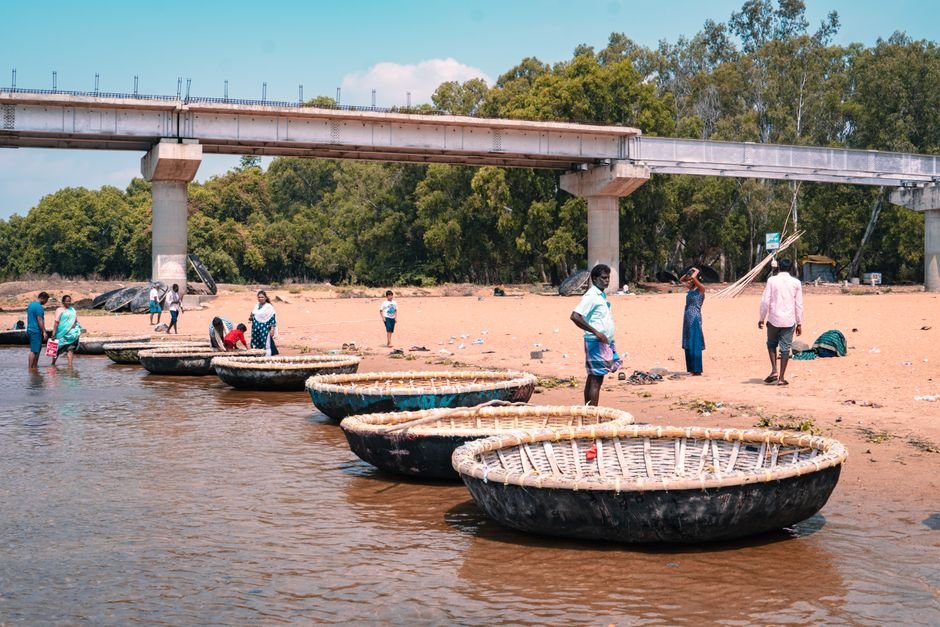
Karnataka is set to appeal a recent order directing the release of Cauvery water to Tamil Nadu, with the state government emphasizing the need for an aerial inspection of the Cauvery basin to understand the prevailing ground realities. The decision underscores the ongoing inter-state water dispute, a recurring issue that often strains relations between the riparian states.
The Chenab Times has learned that Karnataka Chief Minister D.K. Shivakumar announced the state’s intention to challenge the order. He also indicated plans to engage with his Tamil Nadu counterpart, Joseph Vijay, during his proposed visit to Karnataka. The Chief Minister intends to request that Mr. Vijay conduct an aerial survey of the Cauvery basin within Karnataka. This visual assessment, Shivakumar believes, would provide a clearer understanding of the water availability and the actual conditions on the ground.
The dispute over the sharing of Cauvery river waters is a long-standing and often contentious issue between Karnataka and Tamil Nadu, with Kerala and Puducherry also having claims. The Cauvery Water Management Authority (CWMA) and its predecessor bodies have been tasked with adjudicating these water-sharing arrangements. Orders from these bodies, particularly concerning water release during periods of deficit, are frequently met with strong reactions from the affected states.
Karnataka’s current stance reflects concerns that the existing water levels in its reservoirs and the overall water situation in the basin may not be conducive to releasing further water to Tamil Nadu as mandated. The state government often highlights the needs of its own farmers and the drinking water requirements of its population, especially during dry seasons. The proposed aerial inspection is likely aimed at gathering evidence to support Karnataka’s plea against the order, demonstrating the scarcity of water and the potential hardship such a release could impose on the state.
The Cauvery River Water Tribunal, established under the Inter-State River Water Disputes Act, 1956, had previously made allocations. However, the implementation and adherence to these allocations have been a persistent source of friction. The Supreme Court of India has also played a significant role in mediating and delivering judgments on the Cauvery water dispute over the years, often directing the formation of mechanisms to manage the water resources.
The proposed meeting between the Chief Ministers of Karnataka and Tamil Nadu, should it materialize, would offer a diplomatic avenue to discuss the issue. However, the success of such a dialogue hinges on the willingness of both states to engage constructively and consider each other’s perspectives. The call for an aerial survey by the Tamil Nadu Chief Minister suggests a desire from Karnataka to present its case visually and factually, hoping to influence the decision-making process based on tangible evidence.
This development comes at a critical juncture, as water resources are often under immense pressure due to monsoon patterns, agricultural demands, and population growth. The outcome of Karnataka’s appeal and the subsequent discussions between the states will be closely watched, particularly by the farming communities in both Karnataka and Tamil Nadu who are directly dependent on the Cauvery waters for their livelihood.


The Chenab Times News Desk