


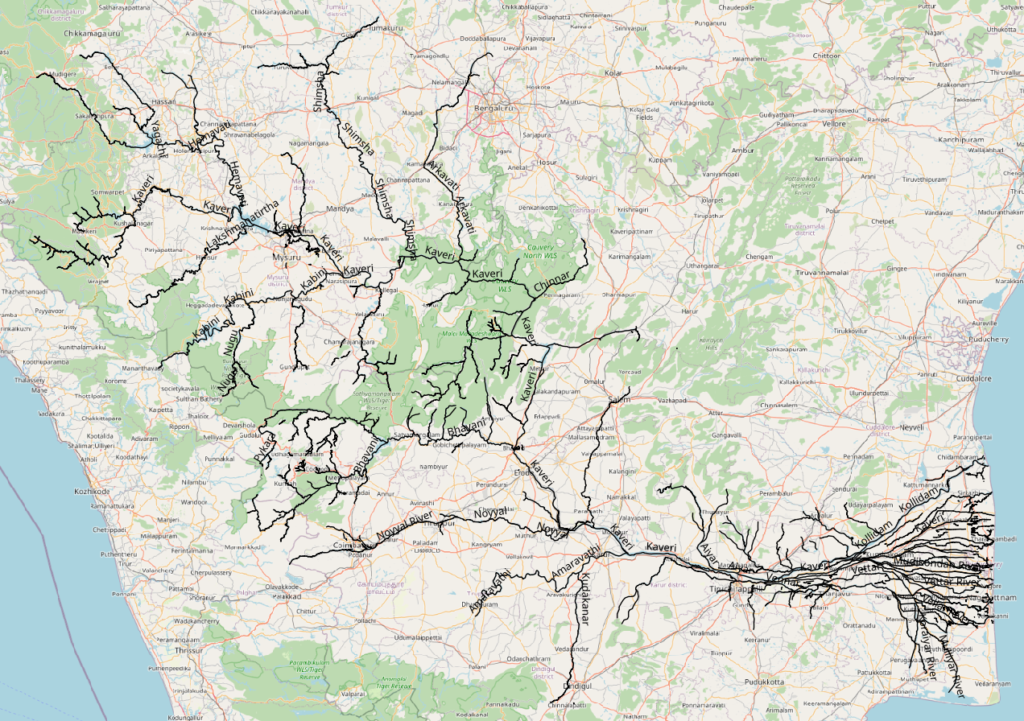
Bengaluru, Karnataka – Karnataka Chief Minister D.K. Shivakumar has appealed to farmers’ organizations and Kannada groups to refrain from obstructing the flow of water in the Kabini river, following a flood alert issued by the state’s Water Resources Department due to heavy rainfall in the river’s catchment areas.
Flood Alert Issued for Kabini River as Reservoir Nears Capacity
The Kabini reservoir, a key water source in the region, is nearing its full capacity due to incessant showers in its catchment areas, particularly in Kerala. As of August 1, 2026, the water level in the Kabini reservoir had risen to 2,280.08 feet, just four feet shy of its maximum capacity of 2,284 feet. The inflow into the dam has surged to approximately 15,500 cusecs, prompting authorities to consider releasing between 8,000 to 10,000 cusecs of water into the Kabini river. Dam authorities have issued a flood alert for residents living downstream along the river, advising them to move to safer places and take precautions to protect their property and livestock. Similar improved inflows have been reported at the Harangi dam, which received 9,896 cusecs and began releasing 10,058 cusecs into the Harangi river.
Cauvery Water Dispute Continues Amidst Water Scarcity Concerns
The increased water flow into the Kabini reservoir comes at a critical juncture, with the ongoing Cauvery water dispute between Karnataka and Tamil Nadu intensifying. Despite the heightened inflows, the Cauvery Water Management Authority (CWMA) recently endorsed a decision by the Cauvery Water Regulation Committee (CWRC) directing Karnataka to release 3,500 cusecs of water daily to Tamil Nadu for 15 days, from July 29 to August 12, 2026. This directive amounts to approximately 4.5 thousand million cubic feet (tmc ft) and has been met with resistance and protests in Karnataka.
The CWRC’s decision was made considering deficient southwest monsoon rainfall and severe water shortages in the Cauvery basin. Factors contributing to the distress include net inflows into Karnataka’s reservoirs being nearly 60% below the 30-year average, a 90% deficit in river flow at Biligundulu, and forecasts suggesting continued weak rainfall. The combined storage in Karnataka’s four major reservoirs stood at 64.15 tmc ft against a capacity of 114.57 tmc ft.
Karnataka Government’s Stance and Appeals for Calm
Karnataka Chief Minister D.K. Shivakumar, on his visit to Mysuru, highlighted that the quantity of water recommended for release by the CWRC this year is lower than that stipulated for the corresponding period last year. He assured that the state government is committed to protecting Karnataka’s interests in the Cauvery water-sharing dispute. The Chief Minister appealed to pro-Kannada organizations and farmer groups to call off their planned ‘Karnataka bandh’ on August 13, emphasizing that such actions would inconvenience the public and not solve the problem.
The Cauvery water dispute is a long-standing issue between Karnataka and Tamil Nadu, rooted in agreements made during the British Raj and subsequent legal battles and tribunal rulings. The Supreme Court’s final verdict in February 2018 allocated specific quantities of water to each state, leading to the formation of the CWMA and the Cauvery Water Regulation Committee to manage water sharing. However, disagreements persist, particularly during years of water scarcity, leading to ongoing tensions and legal challenges, including Tamil Nadu’s stated intention to approach the Supreme Court again to secure its share of water.


The Chenab Times News Desk