


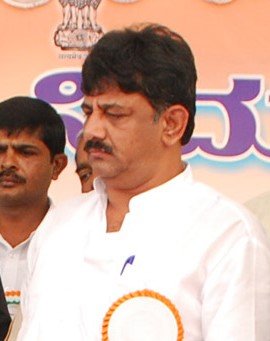
A definitive decision on whether to declare Karnataka as drought-affected will be made by the end of August, Chief Minister D.K. Shivakumar announced on Friday. The assessment will be based on ground reports submitted by ministers and compiled by the Revenue Department.
The Chenab Times has learned that the Chief Minister’s statement came following discussions regarding the state’s preparedness for potential drought conditions. The process involves collecting comprehensive data from across the state to ensure an accurate evaluation of the agricultural situation.
According to the Chief Minister, ministers currently touring various districts will submit their ground reports to the Revenue Department. This department will then meticulously compile the information, adhering to established norms and guidelines for drought declaration. The compiled assessment will subsequently be presented to the state Cabinet for discussion and final approval.
“Ministers will provide ground report and that will be compiled by the Revenue Department based on the norms; the final assessment would be discussed in the Cabinet and then submitted to the Government,” Chief Minister Shivakumar stated. This systematic approach aims to ensure that the decision reflects the actual on-ground realities faced by farmers and rural communities.
The timing of the announcement, with the end of August set as the deadline, is critical. It allows for the assessment of the progress of the monsoon season and its impact on standing crops. Many regions in Karnataka are heavily reliant on rainfall for their agricultural output, and the effectiveness of the monsoon plays a significant role in determining the state’s agricultural health.
Previous years have seen various districts in Karnataka grappling with drought, leading to crop losses and financial distress for farmers. The government’s proactive approach this year, by setting a clear timeline for the assessment, suggests an effort to be better prepared and to implement relief measures promptly should the need arise. The compilation of data by the Revenue Department will likely involve assessing factors such as rainfall deficits, soil moisture levels, crop damage, and water availability for irrigation.
The final decision, after Cabinet discussions, will guide the state government in implementing drought relief measures. These measures can include financial assistance to affected farmers, subsidies for agricultural inputs, and the provision of drinking water and fodder for livestock. The comprehensive nature of the process, from ministerial ground reports to Cabinet approval, underscores the gravity with which the government is approaching the potential for drought.
The Chief Minister’s emphasis on adhering to norms indicates a commitment to a transparent and data-driven decision-making process. This is crucial for building confidence among the farming community and ensuring that aid reaches those most in need. The state government’s ability to accurately assess and respond to drought conditions is vital for the economic stability of Karnataka, particularly its agrarian sector.
As the end of August approaches, all eyes will be on the Revenue Department’s compilation and the subsequent Cabinet deliberations. The outcome will significantly impact the agricultural landscape of Karnataka for the coming months, influencing the livelihoods of thousands of farmers across the state.


The Chenab Times News Desk