


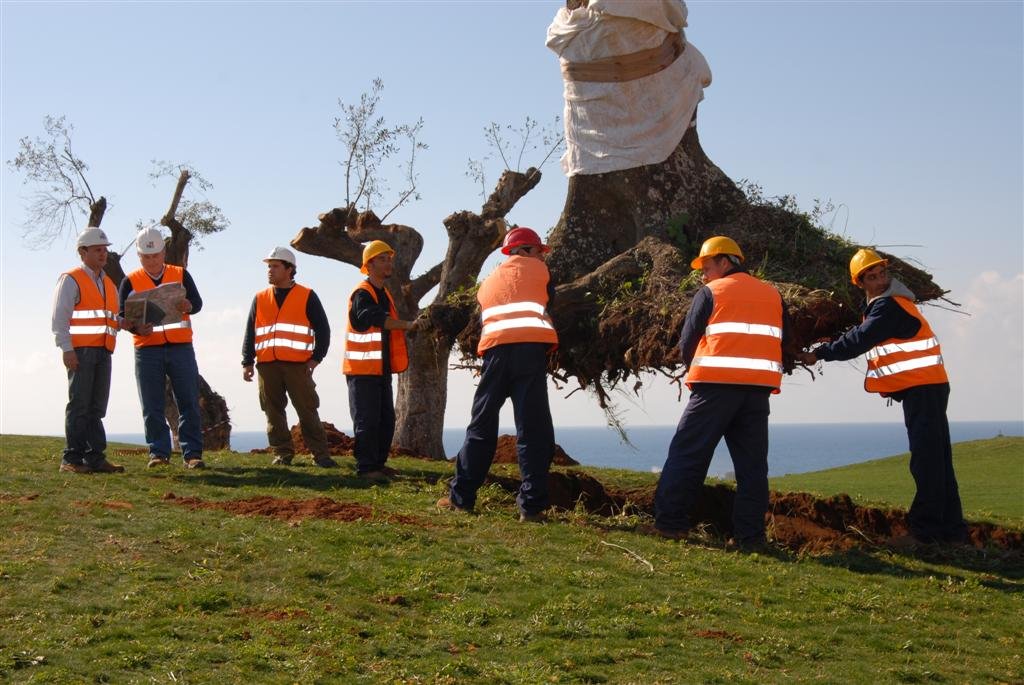
A recent study conducted by Andhra University (ANU) has identified that 29 out of 73 trees slated for removal along a road widening stretch in Guntur can be successfully transplanted. The findings offer a potential mitigation for the environmental impact of the development project.
Information was available with The Chenab Times indicating that the Departments of Botany and Microbiology at ANU undertook the assessment of the trees. Their detailed examination revealed that while 44 of the trees marked for removal were significantly weakened by termite and wood-boring insect damage, rendering them unsuitable for transplantation, the remaining 29 exhibited sufficient health to undergo the process.
The road widening project, a crucial infrastructure development for the Guntur region, has been a focal point for environmental concerns. Initial proposals indicated the felling of a substantial number of trees to accommodate the expanded roadway. However, the intervention of the university’s scientific departments has provided a data-driven basis for a more sustainable approach.
The municipal administration, represented by Municipal Commissioner K. Mayur Ashok, has been actively involved in managing the city’s green cover. It was noted that the Guntur Municipal Corporation (GMC) had previously undertaken extensive afforestation efforts, planting and geo-tagging over 7,000 saplings across the city. This proactive measure highlights a broader commitment to environmental conservation within the municipal framework.
The study’s methodology involved a comprehensive evaluation of the trees’ structural integrity and biological health. Factors such as root system stability, trunk condition, and the presence of any pest infestations were meticulously documented. The researchers concluded that the 44 trees identified as weakened by insect damage posed a risk of failure if transplanted, potentially leading to safety hazards and a loss of the transplantation effort.
Conversely, the 29 trees deemed viable for transplantation represent a significant portion of the affected green cover that can be preserved. The success of transplanting mature trees is often contingent on specialized techniques and careful post-transplantation care to ensure their survival and integration into new locations. This process typically involves root ball preparation, adequate support structures, and a tailored irrigation and fertilization regimen.
The Guntur Municipal Corporation is expected to review the ANU study’s recommendations and formulate a revised plan for the road widening project. This revised plan will likely prioritize the transplantation of the identified healthy trees while proceeding with the removal of those deemed unsuitable. The decision-making process will also consider the logistical challenges and costs associated with tree transplantation on such a scale.
Environmental activists and local residents have often voiced concerns regarding the balance between infrastructure development and the preservation of urban green spaces. The ANU study offers a precedent for integrating ecological considerations into development projects, potentially influencing future urban planning initiatives in Andhra Pradesh and beyond. The emphasis on scientific assessment before tree removal underscores a growing awareness of the ecological value of mature trees in urban environments.
The Municipal Commissioner’s mention of the GMC’s extensive sapling plantation and geo-tagging program further contextualizes the administration’s approach to environmental management. Geo-tagging allows for the systematic tracking of tree growth, health, and survival rates, providing valuable data for urban forestry management. This technology-driven approach aids in monitoring the success of afforestation efforts and planning for future greening initiatives.
The transplantation of trees, when feasible, offers several advantages over simply removing and replanting saplings. Mature trees provide immediate shade, contribute to air quality, and offer established ecological benefits that younger trees take years to replicate. Successful transplantation can help maintain the aesthetic appeal of urban landscapes and contribute to biodiversity.
The authorities are anticipated to collaborate with horticultural experts and environmental agencies to ensure the transplanted trees receive the best possible care. The long-term survival of these trees will be a key performance indicator for the project’s environmental success. The study’s findings are likely to foster a more informed and collaborative approach between development agencies and environmental stakeholders in Guntur.


The Chenab Times News Desk