


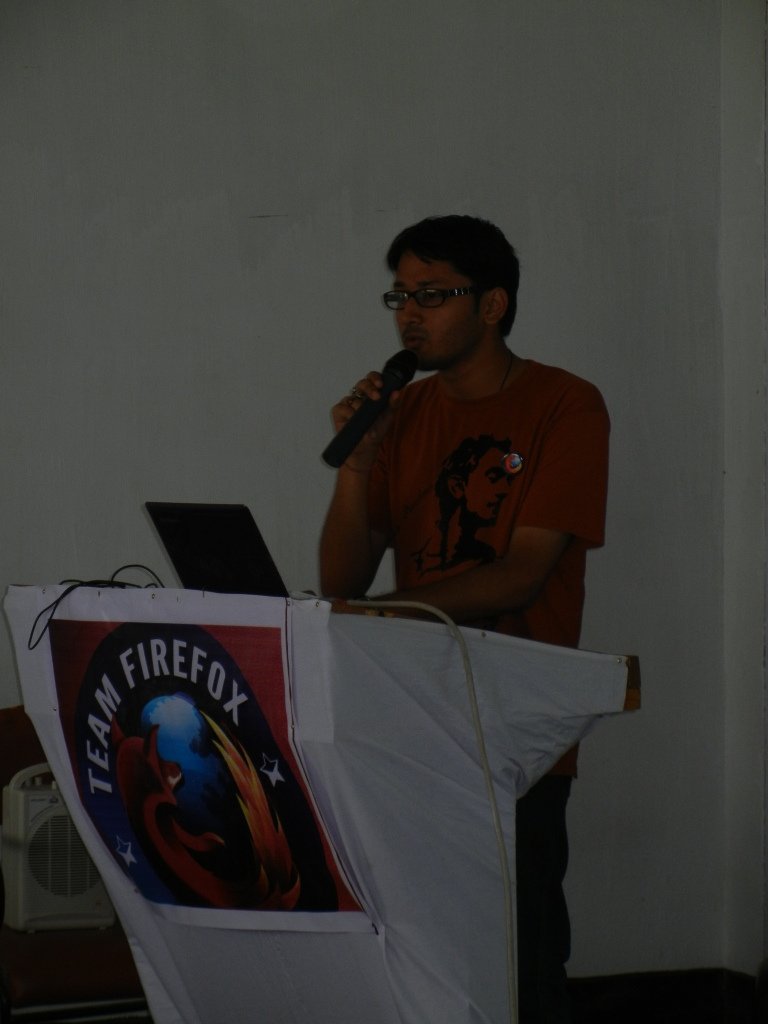
Pranab Doley, an indigenous and peasant rights activist in Arunachal Pradesh, has been detained under the stringent National Security Act (NSA). This action follows his recent bail in a case related to protests against a proposed five-star hotel near the Kaziranga National Park.
Information was available with The Chenab Times indicating that Doley has been a vocal leader of tribal opposition to the hotel project. His activism centers on concerns regarding the potential environmental and social impact of the development on the ecologically sensitive region surrounding the national park. The detention under NSA, often invoked for individuals deemed a threat to national security or public order, has drawn criticism from rights groups.
Doley’s detention came just a day after he was granted bail in a previous case connected to the ongoing protests. His legal team and supporters argue that his continued detention under the NSA is a tactic to silence dissent against the hotel project. The proposed development has been a point of contention, with local communities and environmentalists raising alarms about its proximity to Kaziranga, a UNESCO World Heritage Site renowned for its population of one-horned rhinoceroses.
The Kaziranga National Park, located in Assam and bordering Arunachal Pradesh, is a critical habitat for numerous endangered species. Activists like Doley contend that large-scale commercial projects, such as the proposed five-star hotel, pose a significant threat to the park’s biodiversity and the traditional livelihoods of indigenous communities. They cite concerns over land acquisition, deforestation, increased human-wildlife conflict, and pollution as potential consequences of such developments.
The National Security Act allows for the detention of individuals for up to a year without trial if the government believes they are a threat to national security or public order. Critics of the act often point to its potential for misuse to suppress legitimate protest and activism. In Doley’s case, his supporters maintain that his actions are aimed at protecting the environment and the rights of indigenous people, and that the NSA is being inappropriately applied.
The protests against the hotel have been ongoing for some time, with various tribal organizations and environmental groups actively campaigning against the project. They have petitioned government authorities, staged demonstrations, and raised public awareness about the potential ecological ramifications. The detention of Doley is seen by many as a significant escalation in the conflict between development interests and conservation efforts in the region.
The exact details of the charges or the specific perceived threat to national security that led to Doley’s detention under the NSA have not been fully elaborated by the authorities. However, the context of his arrest strongly links it to his leadership in the opposition movement against the hotel project. This development is likely to intensify the debate surrounding sustainable development, environmental protection, and the rights of indigenous communities in areas of ecological importance in Northeast India.
Rights organizations and civil society groups have called for Doley’s immediate release and an independent review of the grounds for his detention under the NSA. They emphasize the importance of freedom of expression and the right to peaceful protest, particularly for individuals advocating for environmental conservation and the protection of cultural heritage. The situation underscores the complex challenges faced in balancing economic development with ecological preservation in sensitive regions of India.
Further actions by Doley’s legal team and supporting organizations are expected as they seek to challenge his detention and advocate for his release. The case highlights the ongoing struggle for land rights and environmental justice in the face of large-scale development projects in ecologically significant areas.


The Chenab Times News Desk