


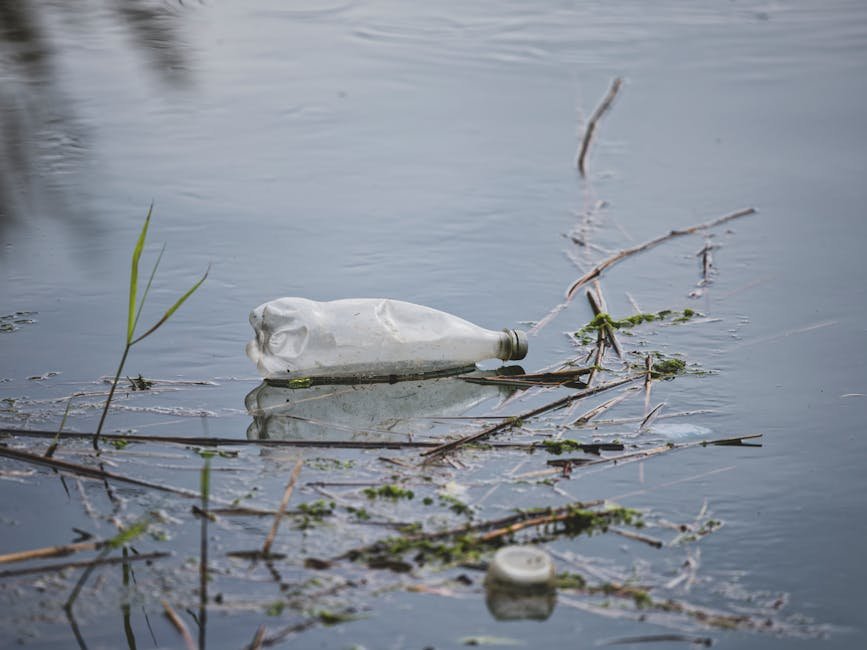
Hundreds of students and residents from villages surrounding the Humnabad Industrial Area in Karnataka’s Bidar district staged a protest march on Monday, demanding permanent solutions to curb the alleged discharge of toxic industrial effluents into the Guruganga stream. The stream, located near Maniknagar, is considered sacred and a pilgrimage site, and its pollution is raising serious concerns about public health and the environment.
The Chenab Times has learned that the protesters voiced their apprehensions over the long-term ecological damage and potential health hazards posed by the untreated waste flowing into the water body. The demonstration, which took place in Humnabad town, saw participants carrying placards and raising slogans against the perceived inaction of authorities responsible for environmental regulation and industrial oversight.
Villagers have repeatedly highlighted the issue, stating that the Guruganga stream is a vital source of water for local communities and a significant religious site for many. The continuous inflow of industrial waste, they allege, has led to visible changes in the water quality, including discolouration and an unpleasant odour, which they believe are indicative of hazardous chemical contamination.
Environmental activists accompanying the residents have pointed out that such pollution can have cascading effects, impacting not only the aquatic ecosystem but also the soil quality and potentially contaminating groundwater reserves. The presence of toxic substances in water bodies can lead to severe health problems for both humans and animals who rely on these sources. The sacred nature of the Guruganga stream adds another layer of concern, as the pollution is seen as an affront to religious sentiments and a degradation of a revered natural resource.
The industrial area near Humnabad hosts a number of manufacturing units. While the specific industries responsible for the alleged discharge have not been definitively identified in public statements by the protesters, the demand is for comprehensive monitoring and enforcement mechanisms to be put in place. Residents are calling for stricter compliance with environmental norms and the implementation of robust wastewater treatment facilities by all industries operating in the vicinity.
The protest march aimed to draw the attention of district administration officials and state pollution control board authorities to the gravity of the situation. Participants emphasized that mere temporary measures or assurances have not been sufficient in the past and that permanent, long-term solutions, including stringent regulatory action and the installation of advanced effluent treatment plants, are now imperative. They are seeking a commitment from the authorities to conduct thorough investigations into the pollution sources and to implement punitive measures against any industry found to be in violation of environmental laws.
The Guruganga stream is not just a geographical feature but also holds cultural and religious significance for the local population. Its contamination not only poses an ecological threat but also impacts the spiritual well-being of the community. The protesters have indicated their resolve to continue their agitation until concrete steps are taken to ensure the complete cessation of the discharge of industrial pollutants into the stream and to restore its pristine condition.
The issue highlights a broader challenge faced by many industrialised regions in India, where the rapid pace of industrial development sometimes outpaces the effectiveness of environmental protection measures. The residents of Humnabad’s surrounding villages are now looking to the state government and environmental agencies for a decisive intervention that safeguards both their health and their heritage.


The Chenab Times News Desk