


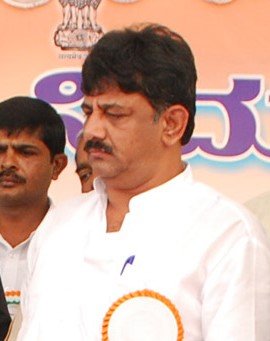
Bengaluru: Karnataka Chief Minister D.K. Shivakumar has initiated a significant step towards administrative overhaul by constituting a six-member Governance Committee. This committee is composed of retired Indian Administrative Service (IAS) officers, chosen for their proven integrity and extensive experience in public administration. The group is tasked with providing strategic advice on implementing administrative reforms and shaping the policy direction for the state government, aiming to boost bureaucratic efficiency and effectively address existing governance challenges.
The Chenab Times has learned that this initiative by the Karnataka government aims to leverage the deep institutional knowledge and practical insights of seasoned administrators to foster a more responsive and efficient governance framework. The formation of such a committee is not unprecedented in Indian states, with past chief ministers also having relied on the expertise of retired bureaucrats to navigate complex administrative landscapes and introduce policy innovations.
The selection of retired IAS officers underscores a commitment to drawing upon a pool of individuals who possess a nuanced understanding of the state’s administrative machinery and its potential areas for improvement. These officers, having served for decades in various capacities, are expected to offer objective assessments and practical recommendations, free from the immediate pressures of day-to-day political functioning. Their mandate will likely involve identifying bottlenecks in current administrative processes, suggesting streamlined procedures, and proposing policy frameworks that align with the state’s development goals.
This move by Chief Minister Shivakumar appears to be a strategic effort to infuse fresh perspectives into governance while grounding reforms in the practical experiences of those who have managed public services. The committee is expected to scrutinize various aspects of governance, from public service delivery to the implementation of welfare schemes and the execution of development projects. Their recommendations could influence significant changes in how government departments operate, interact with citizens, and achieve their objectives.
The emphasis on integrity and experience suggests a desire to ensure that the proposed reforms are not only innovative but also ethically sound and implementable. Retired officers, often perceived as impartial evaluators, can provide candid feedback that might be difficult to elicit from current officials. This approach signals a departure from conventional methods of policy formulation and aims to create a more robust and transparent administrative system in Karnataka.
The committee’s work is anticipated to cover a wide spectrum of governance-related issues, potentially including digitalization of services, public grievance redressal mechanisms, and enhancing inter-departmental coordination. By forming this dedicated group, the Chief Minister’s office intends to create a structured mechanism for continuous feedback and strategic guidance, ensuring that governance reforms are systematically planned and executed. The success of this initiative will largely depend on the committee’s ability to provide actionable insights and the government’s willingness to implement their suggestions effectively.
The broader context for these reforms includes the ongoing efforts by state governments across India to adapt to evolving citizen expectations and the increasing complexity of developmental challenges. Karnataka, being a leading state in economic growth and technological advancement, faces unique demands for efficient and modern governance. This bureaucratic think tank is positioned to play a crucial role in helping the state maintain its progressive trajectory and address potential administrative inefficiencies that could impede its growth.


The Chenab Times News Desk