


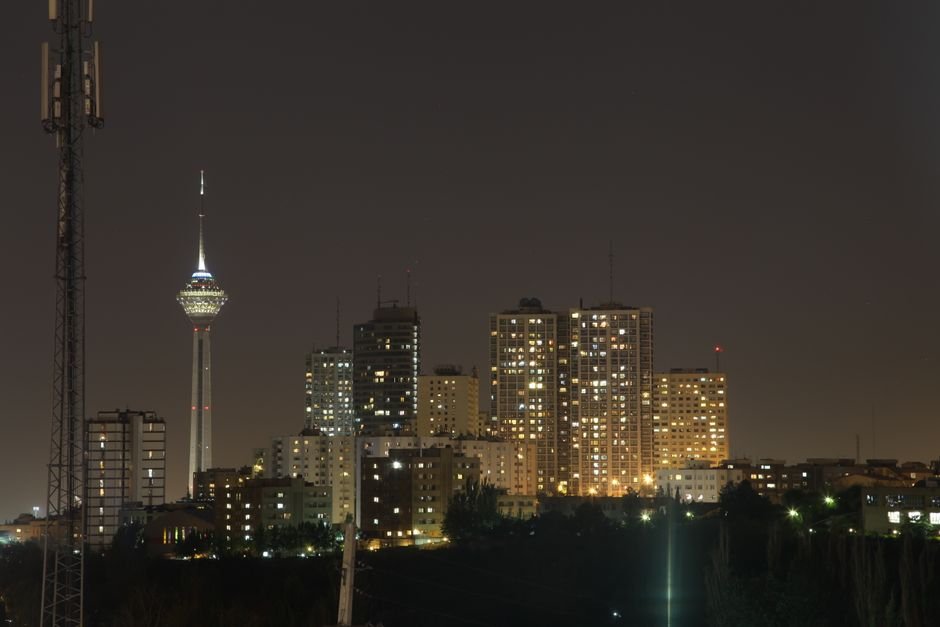
International attention is once again focused on Iran’s nuclear facilities, with recent satellite imagery and reports from the International Atomic Energy Agency (IAEA) highlighting ongoing activity and raising concerns among global powers. The situation is compounded by the aftermath of recent military actions and a complex geopolitical landscape involving Iran, Israel, and the United States.
The United Nations Secretary-General has warned that the world is entering its most dangerous nuclear era in decades, a sentiment amplified by renewed strikes on Iranian nuclear sites earlier this year. These actions have reignited global concerns about the risks of military engagement involving states with advanced nuclear capabilities. The IAEA has reported a loss of continuity of knowledge over declared nuclear material, a situation described as a matter of proliferation concern requiring urgent action. Iran remains the only state without nuclear weapons that is a party to the Nuclear Non-Proliferation Treaty and has enriched uranium to 60 percent purity, a level significantly beyond that needed for civilian purposes.
Recent reports indicate that following military attacks in June 2025, Iran has not provided the IAEA with declarations, reports, or access concerning its affected declared nuclear facilities. This has rendered the agency unable to discharge its safeguards responsibilities at these sites, preventing verification of the status of the facilities and associated nuclear material. The IAEA has reiterated its requests for Iran to facilitate verification at unaffected nuclear facilities and to provide reports on affected sites to enable discussions about their status. Bilateral negotiations between the United States and Iran are ongoing, with the IAEA offering advice on the verification of Iran’s nuclear program. A successful outcome of these negotiations could positively impact the effective implementation of safeguards in Iran and resolve outstanding issues.
The attacks in June 2025, including Operation Midnight Hammer by the U.S. and Israeli strikes, targeted key facilities such as the Natanz fuel enrichment plant, the Esfahan nuclear site, and the Fordow fuel enrichment plant. While some assessments suggest these strikes may have set back Iran’s nuclear program by months or even years, other reports indicate that the core components of the program may not have been destroyed. The Fordow facility was reportedly rendered inoperable, and damage was confirmed at various sites, including the Esfahan chemical laboratory and uranium conversion plant.
Iran’s nuclear program has been a focal point of international concern for years, particularly its enrichment activities. Under the now-defunct Joint Comprehensive Plan of Action (JCPOA), Iran had agreed to limits on its nuclear program in exchange for sanctions relief. However, Iran began breaching these limits in 2019 and has since expanded its uranium enrichment program, enriching uranium to 60 percent and deploying advanced centrifuges. This has led to a significant increase in Iran’s stockpile of enriched uranium, far exceeding the limits previously permitted under the JCPOA.
Diplomatic efforts to address Iran’s nuclear program have faced significant challenges. Attempts to renegotiate a nuclear deal after the collapse of the JCPOA in 2025 and 2026 were unsuccessful. Tensions between the United States and Iran have a long history, stemming from the 1979 Islamic Revolution, and have been exacerbated by Iran’s nuclear program, ballistic missile development, and regional military activities. A memorandum of understanding signed in June 2026 between the U.S. and Iran aimed to end hostilities and included Iran’s reaffirmation that it would not pursue nuclear weapons, though disputes over the Strait of Hormuz persisted.
The international community, through organizations like the IAEA and the UN, continues to call for maximum military restraint around nuclear power plants and civilian research reactors. The ongoing situation underscores the fragility of global security and the urgent need for diplomatic solutions to prevent nuclear proliferation and ensure peaceful nuclear activities.

Global Affairs Desk at The Chenab Times covers international developments, global diplomacy, and foreign policy issues through fact-based reporting, explainers, and analytical pieces. The desk focuses on major geopolitical events, diplomatic engagements, and international trends, with an emphasis on verified information, multiple perspectives, and contextual understanding of global affairs.