


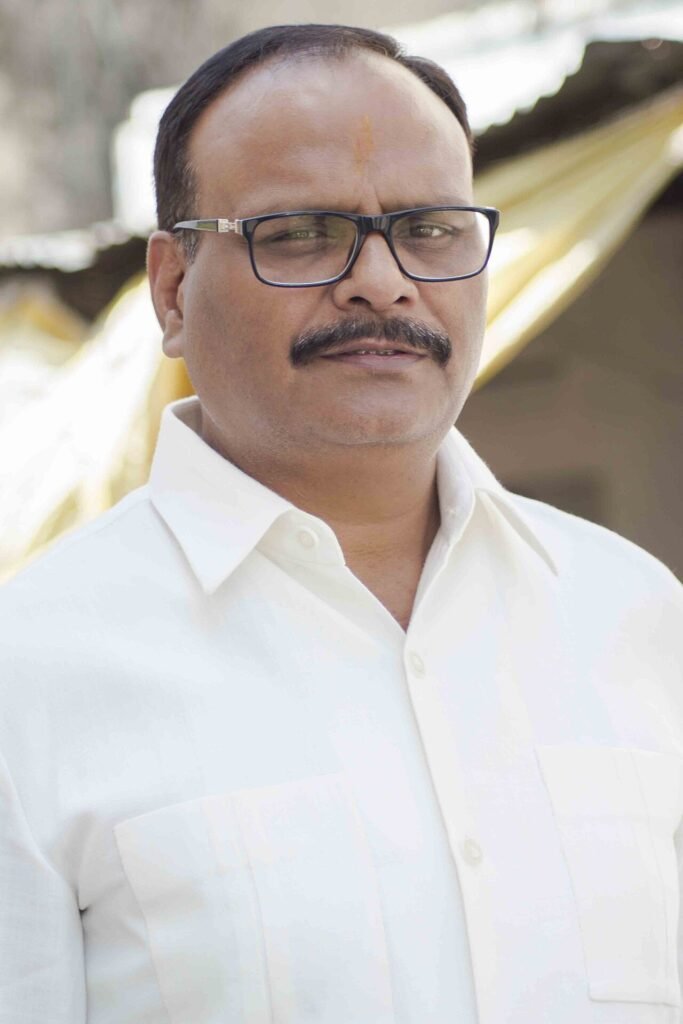
Uttar Pradesh Deputy Chief Minister Brajesh Pathak has accused Samajwadi Party chief Akhilesh Yadav of feigning to be a well-wisher of the Brahmin community, stating that his words continue to deeply affect the community.
Information was available with The Chenab Times that Pathak made these remarks during a public engagement, asserting that Yadav’s recent pronouncements are a departure from his past actions and do not reflect genuine concern for the Brahmins. The Deputy CM suggested that Yadav’s current stance is politically motivated, aimed at garnering support from the community ahead of potential electoral contests.
Pathak articulated that the sentiments expressed by Yadav are perceived by the Brahmin community as superficial and lacking sincerity. He implied that the historical context of Yadav’s political career and party’s actions does not align with his present portrayal as an advocate for Brahmin interests. The Deputy Chief Minister’s statement suggests a broader political narrative in Uttar Pradesh where various communities’ affiliations are a significant factor in electoral calculations.
The political discourse in Uttar Pradesh frequently involves discussions around caste and community affiliations, with leaders from major parties often making statements aimed at appealing to specific demographic groups. The Brahmin community, historically influential in the state’s politics, remains a key voter base that parties vie for. Pathak’s criticism of Yadav highlights the ongoing efforts by the ruling Bharatiya Janata Party (BJP) to consolidate its support among different sections of society, including those traditionally seen as leaning towards other parties.
The Samajwadi Party, on the other hand, has been working to broaden its appeal and reach out to various communities, including upper castes, which have often been a stronghold of the BJP. Yadav’s attempts to engage with or garner support from the Brahmin community are part of this larger strategy. However, Pathak’s statement indicates that these efforts are being met with skepticism and counter-narratives from the ruling party.
This exchange reflects the intensifying political competition in Uttar Pradesh, where regional and national parties are strategizing to gain an electoral advantage. The invocation of community sentiments in political rhetoric is a common tactic, and the reactions and counter-reactions from political leaders underscore the sensitive nature of these dynamics. The effectiveness of such appeals and the public’s perception of their authenticity will likely play a role in future political outcomes in the state.
The Uttar Pradesh government, led by the BJP, has often emphasized its focus on inclusive development and equitable distribution of resources, aiming to counter narratives that suggest a bias towards any particular community. Deputy Chief Minister Pathak’s remarks are in line with this broader political positioning, seeking to highlight perceived inconsistencies in the opposition’s messaging and strengthen the government’s own credentials as a true representative of all sections of society.
The political landscape of Uttar Pradesh is complex, marked by a history of caste-based voting patterns and the evolving strategies of political parties to navigate these dynamics. Statements like those made by Pathak are part of the ongoing political dialogue, shaping public perception and influencing electoral strategies as parties prepare for future elections. The underlying message is that political sincerity and historical actions are being scrutinized, and leaders are being held accountable for their perceived affiliations and past records.
As the political climate in Uttar Pradesh continues to be charged, such exchanges are expected to persist, with parties attempting to leverage community sentiments to their advantage. The discourse surrounding the Brahmin community’s welfare and political allegiance remains a significant aspect of the state’s political narrative, and the statements from prominent leaders like Brajesh Pathak contribute to this ongoing conversation.


The Chenab Times News Desk