


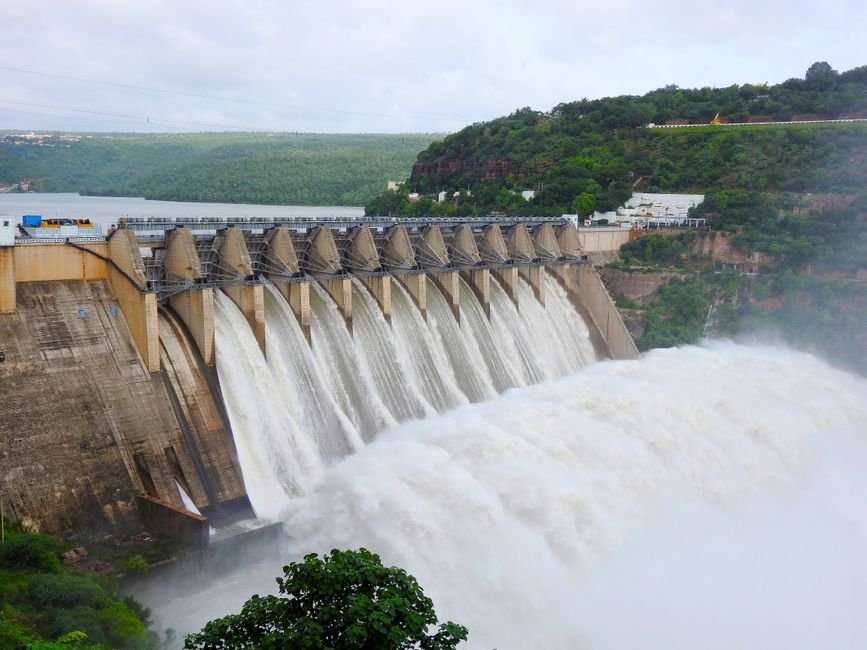
The Sri Bhramaramba Mallikarjuna Swamy temple in Srisailam, Andhra Pradesh, recently hosted the Sahasra Ghatabhishekam, a significant ritual performed to invoke divine blessings for adequate rainfall. The ceremony took place on Monday and was the fourth day of an ongoing five-day Varuna Yagam organized by the temple Devasthanam with the primary objective of appeasing the rain god.
Rituals and Significance
The elaborate proceedings involved priests conducting special rituals at the Akka Mahadevi Alankara Mandapam before proceeding with the Sahasra Ghatabhishekam. This ritual entails the ceremonial bathing of Lord Mallikarjuna Swamy using water from a thousand pots, accompanied by the chanting of Rudra mantras. The overarching aim of this ceremony is to ensure timely and abundant rains, foster healthy crop growth, and promote overall prosperity within the state.
Five-Day Spiritual Observance
The Varuna Yagam Sahitha Sahasra Ghatabhishekam, which commenced on August 7 and is scheduled to conclude on August 11, has been marked by a series of continuous special rituals. Organized by the Srisailam temple management, the event seeks divine intervention for a robust monsoon, leading to a bountiful harvest and a flourishing, verdant state. The ceremonies have witnessed active participation from temple administrators and spiritual leaders.
Observance of Vedic Traditions
Throughout the event, priests and Vedic scholars have been diligently performing a range of elaborate Vedic ceremonies. These include essential pujas such as Ganapati Puja and Chandikeswara Puja, alongside the chanting of Rudra mantras and Rudra Parayanam. A unique Ankurarpana ceremony, symbolizing growth and prosperity, involved the sowing of sacred seeds in nine earthen vessels filled with various grains. This was followed by the Sahasra Ghata Sthapana, which signifies the installation of one thousand sacred pots, along with Ekadasha Rudra and Rishyashringa rituals and Kalasa worship.
Specific Rituals on August 10
The schedule for August 10 specifically included Ekadasha Rudra Rishyasrunga Sahita Sahasra Ghatarchana, Rudra Homam, and Chandi Parayanam. The day’s proceedings also featured river worship and the sacred water abhishekam performed for several revered deities, including Pathaleswara Swamy, Nandeeswara Swamy, Ankalamma, and Kshetrapalaka Bayalu Veerabhadra Swamy. A ceremonial procession carried the holy Kalasas around the temple premises before the principal Sahasra Ghatabhishekam was performed for Lord Mallikarjuna Swamy.
Sacred Water Sources and Temple Infrastructure
The holy water utilized in the Sahasra Ghatabhishekam is traditionally collected from prominent rivers such as the Ganga, Yamuna, Saraswati, and Krishnaveni, as well as from sacred water bodies like Manohara Gundam and Mallikagundam, located within the temple complex. In preparation for the ceremony, a temporary structure, often a wall several feet high, is constructed around the Shiva Linga in the sanctum sanctorum. This encloses the sacred water for a designated period, symbolizing the divine presence of Lord Mallikarjuna Swamy.
Temple Administration and Devotee Involvement
The temple’s Executive Officer, M. Srinivasa Rao, and the Trust Board chairman, Pothugunta Ramesh Naidu, alongside other trustees and officials, have been actively involved in overseeing the arrangements and participating in the spiritual activities. The collective prayers during these rituals are for the overall welfare and happiness of all citizens, seeking peace, prosperity, protection from natural calamities, and abundant agricultural yields.


The Chenab Times News Desk