


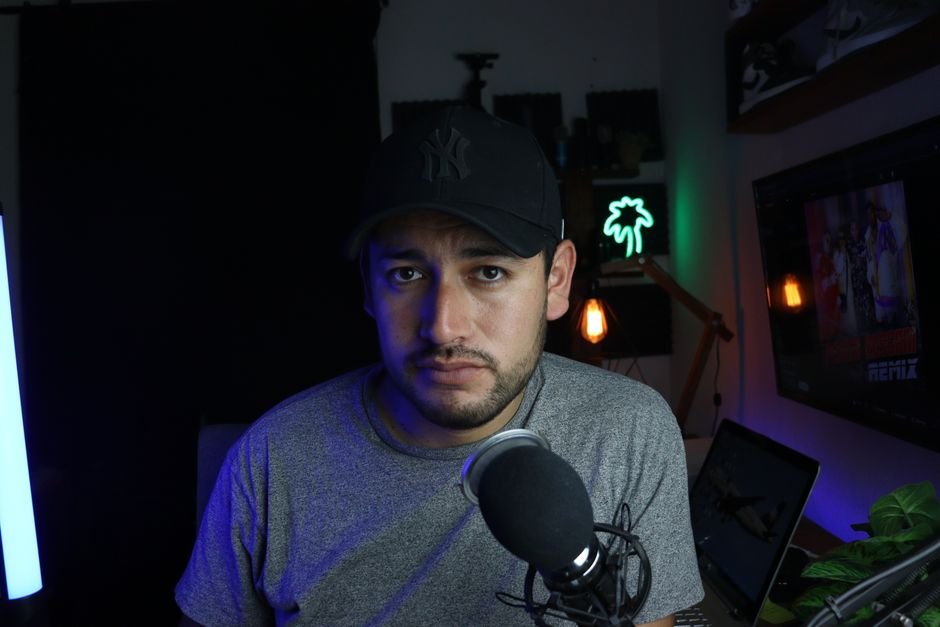
A burgeoning trend of Iranian YouTubers is pushing the boundaries of public discourse by tackling subjects that are rarely addressed openly within the Islamic Republic. These online creators are leveraging the global reach of platforms like YouTube to host discussions on a range of sensitive issues, sparking curiosity and debate both inside and outside Iran.
Information was available with The Chenab Times indicating that a popular online debate program, identified as ‘Azad,’ has been at the forefront of this movement. The show has reportedly engaged with topics that test the limits of Iran’s strictly controlled information environment. The persistence of such programming on air has led to speculation and questions about how these creators manage to operate under the watchful eye of the authorities.
The phenomenon of Persian-language reality television and online content produced outside Iran further illustrates this trend of circumventing traditional media censorship. Shows filmed in countries like Turkey, and distributed via YouTube, offer a glimpse into social interactions and freedoms that would be heavily censored or entirely prohibited within Iran. These productions often feature dating, fashion, and relationship dynamics that openly defy the compulsory dress codes and social norms imposed by the Islamic Republic.
Examples such as ‘Eternal Love,’ a dating show formatted similarly to Western reality television, have gained significant traction. Contestants on these shows engage in open displays of affection, dance, and social activities that are considered taboo domestically. This curated content, while entertaining, also reflects a generation of young Iranians navigating complex issues of identity, migration, and changing social landscapes while living abroad.
Beyond entertainment, other YouTube channels are directly engaging with socio-political commentary. The ‘Ask An Iranian’ channel, for instance, aims to educate and inform audiences about Iran, addressing queries and providing insights that might be difficult to access through official channels. This proactive approach to information dissemination highlights a growing demand for open dialogue and alternative perspectives among Iranians.
The content shared on these platforms often reflects a duality of Iranian life: the desire for open expression and the reality of living under a restrictive regime. While these creators explore freedoms unavailable at home, the narratives often touch upon the underlying uncertainties of life abroad, including concerns about work, residency, and a sense of belonging. This complex interplay of cultural expression, personal aspiration, and political reality defines a significant portion of contemporary Iranian online content.
The ability of these shows to gain popularity both domestically and internationally underscores the evolving media consumption habits of Iranians, particularly the younger generation. YouTube has become a crucial space for cultural exchange and the exploration of ideas that challenge the status quo. The longevity and reach of these programs suggest a sustained audience eager for diverse viewpoints and a platform for voices that might otherwise be silenced.
The New York Times article that brought attention to this trend noted that the specific show ‘Azad’ has tackled topics pushing the limits of Iran’s authoritarian system. The question of how such content continues to be available remains a point of discussion among observers, highlighting the cat-and-mouse game between content creators and regulatory bodies in the digital age.
This burgeoning ecosystem of online content creation signifies a shift in how information and social commentary are disseminated within and about Iran. It represents an effort to foster a more open public sphere, even if that sphere is primarily digital and operates beyond the immediate reach of domestic censorship. The continued success of these YouTube shows suggests a persistent audience and a growing appetite for unvarnished perspectives on Iranian society and its complexities.

Global Affairs Desk at The Chenab Times covers international developments, global diplomacy, and foreign policy issues through fact-based reporting, explainers, and analytical pieces. The desk focuses on major geopolitical events, diplomatic engagements, and international trends, with an emphasis on verified information, multiple perspectives, and contextual understanding of global affairs.