


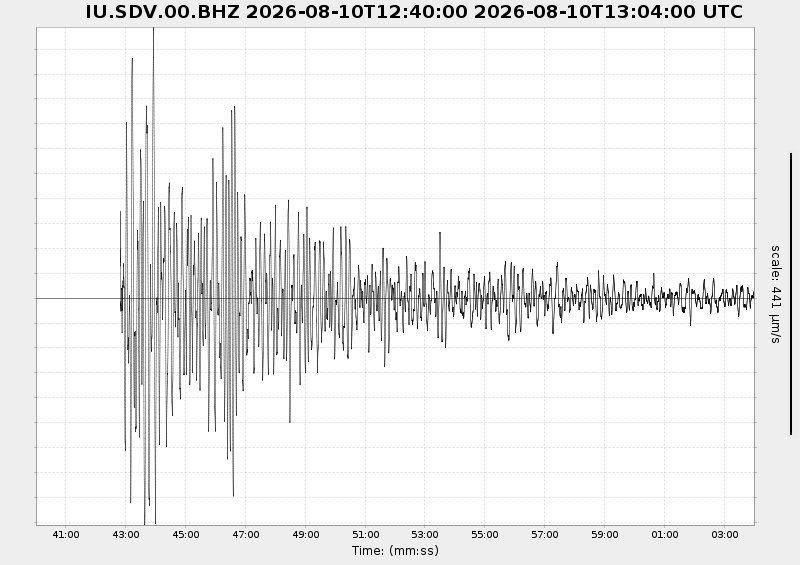
A powerful magnitude 7.4 earthquake struck the Chocó region of Colombia on August 10, 2026, causing widespread devastation and exacerbating existing hardships for its residents. The tremor, with its epicenter near San José del Palmar, has resulted in significant loss of life, extensive injuries, and severe damage to infrastructure across multiple departments of the country.
According to details received by The Chenab Times, the earthquake, which occurred at a depth of 82 kilometers, has been felt across western and central Colombia, as well as in neighboring Ecuador and Panama. Initial reports indicate a high casualty count, with hundreds confirmed dead and thousands more injured. The full extent of the missing is still being determined, but early figures suggest a significant number of individuals are unaccounted for.
The Chocó department, located on Colombia’s Pacific coast, bore the brunt of the earthquake’s impact, with significant damage to homes, essential services, and infrastructure. Difficult terrain and damaged transportation routes in this region have complicated access for rescue and humanitarian aid efforts, a challenge compounded by frequent aftershocks, including 183 reported in the days following the initial quake. This has led to a heightened focus on reaching rural and hard-to-reach communities within the department.
Beyond Chocó, the earthquake’s effects have been felt across at least 16 departments, with notable impacts reported in Risaralda, Caldas, and Valle del Cauca. Cities such as Cali, Pereira, Quibdó, and Manizales have sustained considerable damage to buildings, including homes, hospitals, and schools. Reports indicate that tens of thousands of homes have been damaged or destroyed, leaving many families displaced and facing critical shortages of food, clean water, shelter, and medical care.
The Colombian government declared a state of national disaster and has launched extensive search and rescue operations, supported by national and international humanitarian organizations. The International Federation of Red Cross and Red Crescent Societies (IFRC) has launched an appeal for CHF 25 million to bolster the response efforts of the Colombian Red Cross, aiming to provide life-saving assistance to approximately 24,000 people over the next two years. The response is prioritizing emergency shelter, essential household items, cash grants, health services, and psychosocial support, with particular attention to vulnerable groups such as children, the elderly, and individuals with disabilities.
International aid has begun to mobilize, with the European Union releasing €2.1 million in emergency humanitarian funding and deploying civil protection assistance. Countries including Sweden, Germany, and Luxembourg have offered tents, blankets, kitchen sets, and water filters. The European Commission has also activated the Copernicus satellite mapping service for damage assessment and deployed a rapid response coordinator to aid on-the-ground efforts.
Organizations like UNICEF are scaling up their response, providing water, sanitation, and hygiene supplies to affected populations, particularly in Chocó and Buenaventura. Action Against Hunger is focusing on rural communities in Chocó, distributing essential supplies and kits for safe water and hygiene. The International Rescue Committee (IRC) has launched a response targeting vulnerable communities, with a focus on mental health, education, and protection programming in areas of Valle del Cauca.
The earthquake has disrupted critical infrastructure, including transportation networks, power, and communication services, further hindering aid delivery and assessment efforts. Several regional airports have experienced flight suspensions due to damage. Authorities continue to warn of unstable structures and the risk of landslides in the affected areas, adding to the ongoing challenges faced by the impacted population.
The disaster strikes a region that was already navigating chronic poverty, conflict, and limited access to healthcare, particularly in Chocó, which is home to many Indigenous and Afro-Colombian communities. The earthquake has severely strained essential services, exacerbating existing inequalities and protection risks, especially for women and girls. The long-term recovery and rebuilding efforts are expected to require sustained international support to address the profound humanitarian needs arising from this devastating event.

.jpg)

Global Affairs Desk at The Chenab Times covers international developments, global diplomacy, and foreign policy issues through fact-based reporting, explainers, and analytical pieces. The desk focuses on major geopolitical events, diplomatic engagements, and international trends, with an emphasis on verified information, multiple perspectives, and contextual understanding of global affairs.