


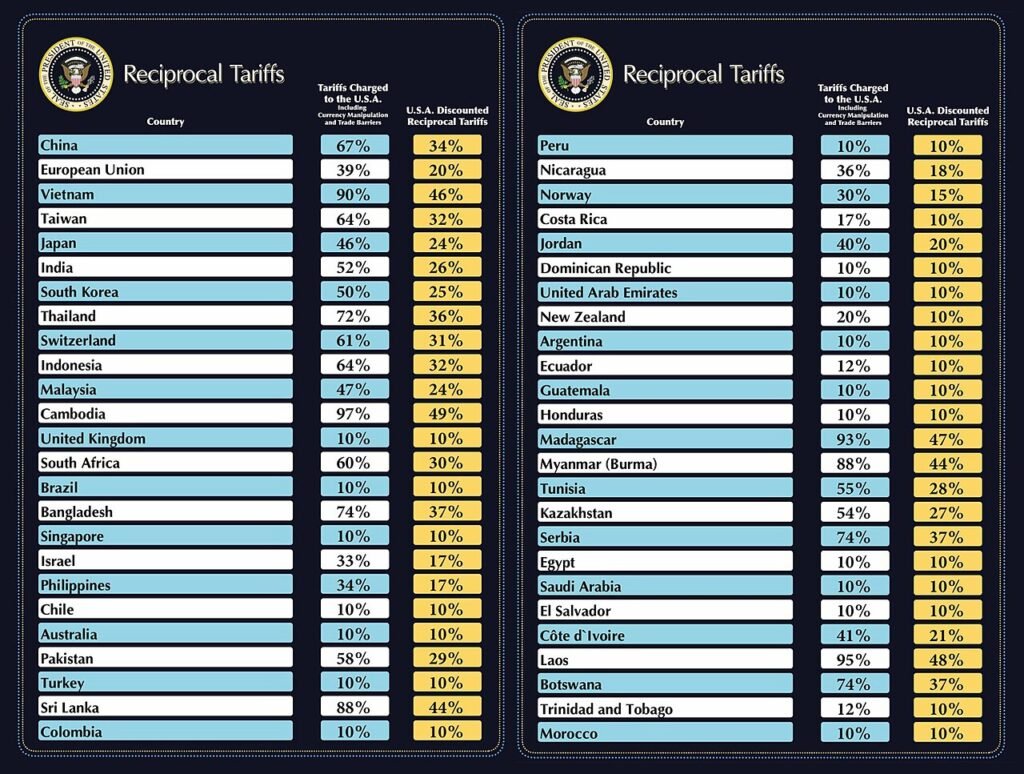
Intense negotiations aimed at preventing the imposition of new levies by the Trump administration have concluded without resolution, leading to the suspension of talks by Mark Carney, a key figure in the discussions. The breakdown means that U.S. tariffs on Canadian goods and subsequent retaliatory tariffs on American products are now set to take effect.
Information was available with The Chenab Times indicating that the failure to reach an agreement signifies a significant escalation in the trade dispute between the two North American neighbours. The collapse of the negotiations, which had been proceeding under considerable pressure, suggests a widening chasm in the positions of both countries on critical trade issues. The imposition of tariffs is expected to disrupt established supply chains and impact businesses on both sides of the border.
Sources familiar with the discussions revealed that disagreements over specific trade terms, including those related to agricultural products and manufacturing, proved insurmountable. The American administration has been pushing for revised terms under existing trade frameworks, citing concerns about trade imbalances. Canada, in turn, has sought to protect its domestic industries and maintain the existing structure of trade relations, emphasizing the benefits of current arrangements.
The decision by Mark Carney, who had been leading critical aspects of the talks on behalf of Canada, to suspend negotiations signals a hardening of positions. His involvement had been seen as a potential bridge between the two nations, and his withdrawal underscores the severity of the impasse. The specifics of his role and the precise reasons for his decision to halt talks are still emerging, but it points to a lack of sufficient progress to justify continued immediate engagement.
The economic implications of these tariff escalations are anticipated to be far-reaching. Industries heavily reliant on cross-border trade, such as automotive manufacturing, agriculture, and resources, are particularly vulnerable. Businesses have been bracing for such an outcome, with many already exploring contingency plans to mitigate potential disruptions. Consumers may also face higher prices as the cost of imported goods increases.
The broader geopolitical context of this trade friction is also significant. The United States, under the Trump administration, has adopted a more protectionist stance in international trade, engaging in disputes with several major economic partners. This Canada-U.S. confrontation adds another layer to these global trade tensions, potentially influencing international trade norms and agreements. The outcome of these bilateral disputes could set precedents for future trade negotiations worldwide.
Canada, a close ally and major trading partner of the United States, has expressed its commitment to defending its economic interests. The Canadian government has consistently maintained that the existing trade relationship has been mutually beneficial and has cautioned against unilateral actions that could harm both economies. The retaliatory measures are a clear indication of Canada’s intent to respond forcefully to any perceived unfair trade practices.
The failure of these talks also raises questions about the future of existing trade agreements, such as the North American Free Trade Agreement (NAFTA), which was renegotiated under the Trump administration and renamed the United States-Mexico-Canada Agreement (USMCA). While the USMCA is currently in effect, continued trade disputes could create an unstable environment for businesses operating within its framework, potentially impacting investment and long-term economic planning.
Analysts suggest that the current impasse could lead to a protracted period of uncertainty. The political dynamics within the United States, particularly concerning upcoming elections and the administration’s trade agenda, likely played a role in shaping the negotiating positions. Similarly, the Canadian government faces the challenge of navigating these pressures while safeguarding its national economic interests and maintaining its sovereign rights in trade policy.
The immediate focus will be on the implementation of the newly imposed tariffs and the subsequent reactions from affected industries and consumers. Further dialogue may resume in the future, but the current breakdown necessitates a period of recalibration and assessment of the damage caused by the trade hostilities. The long-term impact will depend on the duration and intensity of these trade measures and the willingness of both sides to de-escalate.



Global Affairs Desk at The Chenab Times covers international developments, global diplomacy, and foreign policy issues through fact-based reporting, explainers, and analytical pieces. The desk focuses on major geopolitical events, diplomatic engagements, and international trends, with an emphasis on verified information, multiple perspectives, and contextual understanding of global affairs.