


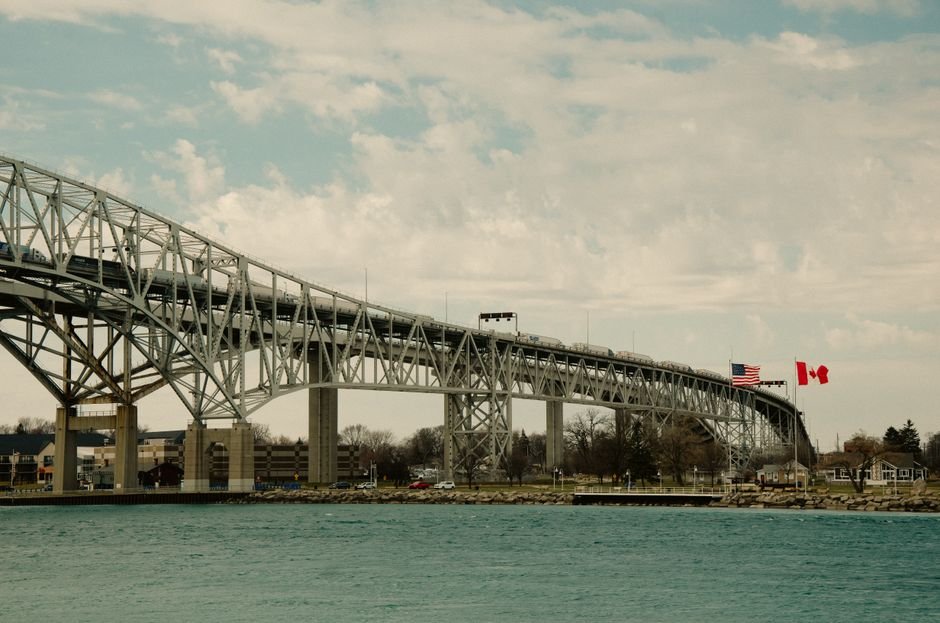
Negotiations between the United States and Canada over tariffs reached a critical impasse in their final hours, as the two North American neighbors escalated a trade dispute that threatens to engulf bilateral economic relations.
The Chenab Times has learned that while the United States presented what it described as a generous offer to Canada, the concessions demanded in return were deemed unacceptable by Canadian officials, leading to a breakdown in discussions and the subsequent imposition of retaliatory measures.
The intense final moments of the trade talks were characterized by a significant gulf between the two nations’ positions, with Washington pushing for terms that Ottawa viewed as a violation of its economic sovereignty. Sources close to the negotiations revealed that the U.S. proposal, though positioned as the most favorable offered to any nation, came with conditions that Canada found untenable, effectively closing the door on a mutually agreeable resolution.
This collapse in dialogue has led to a significant escalation, with both countries moving towards implementing punitive tariffs on a wide range of goods. The trade war, as it is now being described, signals a potentially prolonged period of economic friction between two of the world’s closest trading partners, impacting industries ranging from agriculture and manufacturing to automotive and natural resources.
The breakdown underscores the complex and often challenging nature of international trade negotiations, where perceived gains for one party can be seen as significant losses by the other. The specific details of the U.S. demands and Canada’s refusal have not been fully disclosed, but the outcome points to a fundamental disagreement over market access, regulatory alignment, and the overall framework of the bilateral trade relationship. This situation has generated considerable concern among businesses and consumers on both sides of the border, who are bracing for the potential economic consequences of increased trade barriers.
The tariff dispute is the latest chapter in a series of trade-related tensions that have emerged between the two countries, reflecting broader shifts in global trade policy and a growing inclination among nations to prioritize domestic interests. The implications of this trade war are expected to extend beyond the immediate economic impact, potentially influencing diplomatic relations and regional economic integration efforts.


Global Affairs Desk at The Chenab Times covers international developments, global diplomacy, and foreign policy issues through fact-based reporting, explainers, and analytical pieces. The desk focuses on major geopolitical events, diplomatic engagements, and international trends, with an emphasis on verified information, multiple perspectives, and contextual understanding of global affairs.