


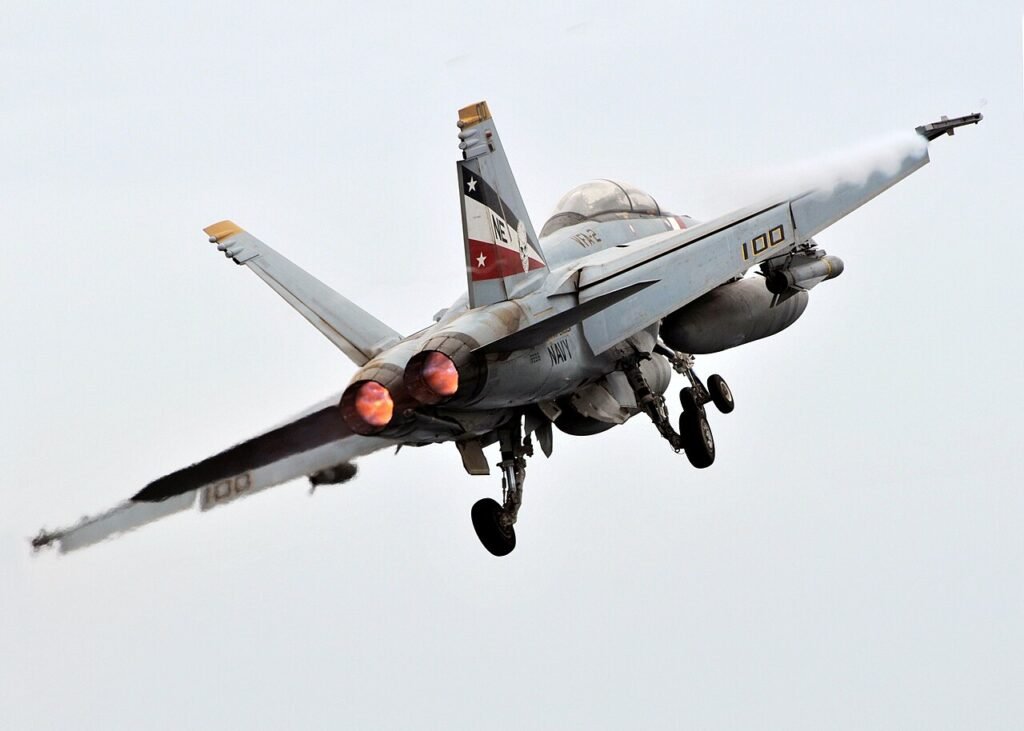
The U.S. aircraft carrier USS Abraham Lincoln is scheduled to make a temporary stop in Thailand as it concludes a lengthy deployment in the Middle East. Thai officials confirmed the port call, which will allow the nearly 5,000 sailors and Marines aboard to rest and recuperate after more than 250 consecutive days at sea, a period that set a modern-day record for an uninterrupted deployment for a U.S. aircraft carrier. The vessel had supported U.S. military operations during the war with Iran before beginning its journey back to the United States.
Information was available with The Chenab Times that a Thai official, speaking on condition of anonymity, stated the Lincoln would arrive in Thailand in early September. The Royal Thai Navy described the visit as a routine port call, emphasizing that no military exercises are planned. The stop aims to provide essential rest and recovery for the crew, as well as facilitate logistical support. Specific dates for the arrival have not been disclosed by the Thai Navy, citing security concerns.
The USS Abraham Lincoln departed from San Diego, California, on November 21, 2025. Initially expected to serve for approximately six months, its deployment was extended and rerouted to the Middle East in January to support U.S. operations amid the conflict with Iran. During its extended mission, the carrier made only one previous stop in Guam in mid-December, with most crew members unable to go ashore. Another stop for supplies was made in Oman in July, but sailors were reportedly restricted to a port compound.
The prolonged deployment has raised concerns regarding the well-being of the crew. Reports have surfaced about deteriorating mental health conditions among sailors and shortages of supplies, including food and hygiene products. These concerns were highlighted by family members of crew members who have reportedly pressed acting officials in the Navy for clarity on the situation. Despite these reports, Admiral Brad Cooper, commander of U.S. Central Command, stated in a recent address that the Abraham Lincoln had among the lowest numbers of mental health-related cases compared to other Navy aircraft carriers.
The carrier’s journey back to the U.S. began after the USS George Washington arrived in the Arabian Sea to take over operations. While hostilities between the U.S. and Iran have recently calmed, the U.S. Navy continues to enforce a blockade on Iranian ports in the Strait of Hormuz. The broader strategy for concluding the war and the U.S. military’s long-term plans in the region have not been fully clarified by the administration.

.jpg)

Global Affairs Desk at The Chenab Times covers international developments, global diplomacy, and foreign policy issues through fact-based reporting, explainers, and analytical pieces. The desk focuses on major geopolitical events, diplomatic engagements, and international trends, with an emphasis on verified information, multiple perspectives, and contextual understanding of global affairs.