


The United Nations Office for Disaster Risk Reduction (UNDRR) is spearheading efforts to bolster urban resilience and disaster preparedness in Alexandria, Egypt. Recent initiatives include the launch of the “Consortium for Alexandria” and a series of technical workshops designed to create a comprehensive resilience roadmap for the city. These actions are particularly crucial given Alexandria’s significant vulnerability to a spectrum of climate-related and urban hazards.
The formation of the Consortium for Alexandria, established in collaboration with the Egyptian Cabinet and the Alexandria Governorate, represents a pivotal advancement in fostering a coordinated strategy for disaster risk reduction. This partnership platform is intended to unite diverse stakeholders, promote the exchange of expertise, and channel technical and financial resources toward enhancing the city’s resilience. The initiative is closely aligned with Egypt’s national development objectives, including its Climate Change Strategy 2050 and Vision 2030, in addition to the global Sendai Framework for Disaster Risk Reduction.
Technical workshops recently conducted under the Making Cities Resilient 2030 (MCR2030) initiative have been instrumental in establishing a foundational understanding of Alexandria’s resilience needs. These sessions have facilitated a structured dialogue among UNDRR, the Alexandria Governorate, national authorities, and technical partners, identifying practical avenues for resilience planning. Key discussion points have encompassed Alexandria’s current risk profile, existing strategies, institutional frameworks, available data, and critical resilience priorities and deficits.
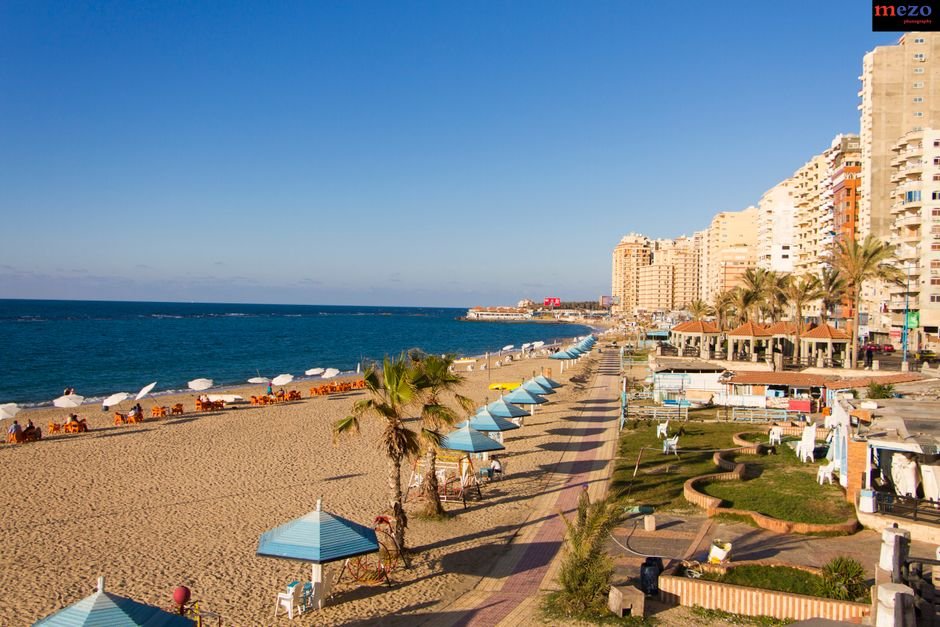
Alexandria, a densely populated coastal metropolis inhabited by nearly 5.5 million residents, confronts a complex and interconnected risk landscape. The city is acutely susceptible to the impacts of sea-level rise, intensified rainfall, coastal erosion, rapid urban expansion, and the vulnerability of its infrastructure. Addressing these multifaceted challenges necessitates a comprehensive and integrated approach to urban development capable of anticipating, withstanding, and recovering from future shocks. The city’s prominent role in Egypt’s economy and its regional connectivity further underscore the imperative for robust resilience measures.
The workshops have explored mechanisms through which the Consortium can effectively support a practical, locally-driven resilience agenda. Participants have deliberated on strategies to enhance collaboration among national authorities, local governance bodies, academic institutions, the private sector, and development partners. A significant outcome of these discussions has been the emphasis placed on developing an Alexandria Resilience Roadmap, which will serve as a guiding document for future actions and investments.
Lessons learned from the experiences of other Egyptian cities, such as Aswan and Sharm El-Sheikh, in their participation in the Making Cities Resilient initiative are being integrated into Alexandria’s evolving strategy. The city aspires to attain the status of a Resilience Hub by the year 2030, thereby positioning itself as a leader in regional disaster risk reduction and urban resilience efforts.
Current efforts are focused on ensuring that investments in critical infrastructure, coastal protection measures, and urban services are informed by robust risk assessments. This risk-informed approach aims to maximize the long-term benefits of these investments and ensure their sustained effectiveness amidst evolving climate conditions. The initiative also prioritizes the enhancement of early warning systems, institutional coordination, scientific research, public awareness, and community participation.
The technical workshops have involved comprehensive assessments utilizing UNDRR’s Climate Resilience Scorecard for Cities and the Disaster Resilience Scorecard for Small and Medium-Sized Enterprises. These evaluation tools are designed to foster a shared understanding among stakeholders regarding the city’s strengths, vulnerabilities, and opportunities for resilience enhancement. Through facilitated working groups, participants are identifying institutional and technical gaps and proposing initial resilience actions.
The involvement of a wide array of stakeholders, including representatives from municipal and local departments, urban planning and infrastructure authorities, disaster and crisis management units, environmental and climate institutions, and agencies overseeing transport, water, sanitation, energy, and coastal protection, highlights the inclusive nature of this endeavor. National authorities, academic institutions, small and medium-sized enterprises, and the Alexandria Chamber of Commerce are also participating, promoting a multi-sectoral approach to building resilience.
The overarching objective is to translate resilience commitments into concrete implementation steps, thereby augmenting Alexandria’s capacity to address future challenges and ensuring sustainable, inclusive, and risk-informed urban development. The city’s progression toward becoming a more resilient coastal metropolis is a vital component of Egypt’s broader strategies for climate adaptation and mitigation in response to global climate change.


The Chenab Times News Desk