


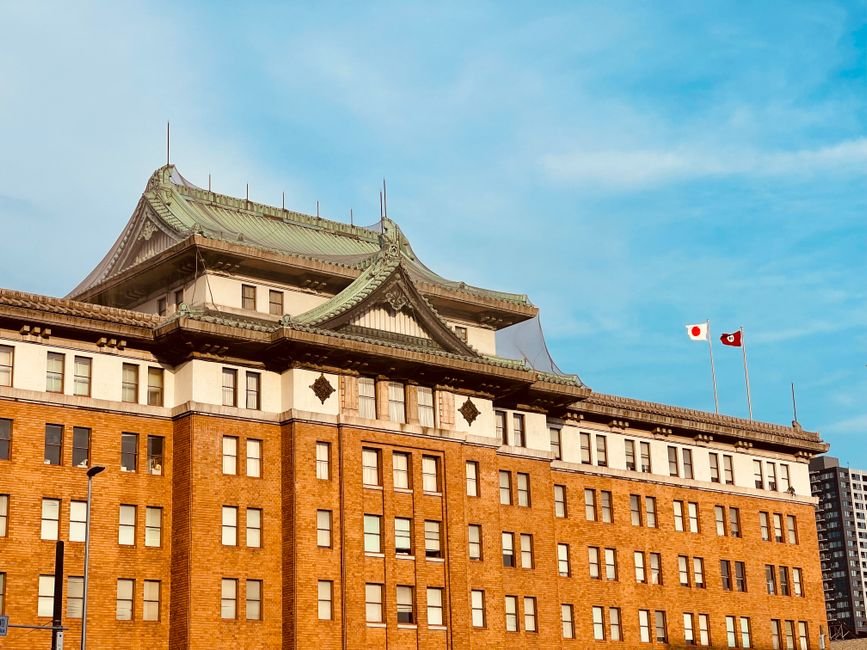
The Government of Japan, in collaboration with the United Nations Office for Disaster Risk Reduction (UNDRR), has announced it will host the 2027 Asia-Pacific Ministerial Conference on Disaster Risk Reduction. The significant international gathering is scheduled to take place in Sendai City, Japan, from October 25 to 29, 2027.
The Chenab Times has learned that this conference will serve as a crucial platform for nations across the Asia-Pacific region to discuss and strategize on enhancing disaster resilience and preparedness.
Focus on Sendai’s Legacy in Disaster Risk Reduction
Sendai City holds particular significance as the host of the Third UN World Conference on Disaster Risk Reduction in 2015, which resulted in the adoption of the Sendai Framework for Disaster Risk Reduction 2015-2030. This framework remains the leading international agreement guiding efforts to reduce disaster losses and damage to infrastructure, livelihoods, and economies.
The upcoming ministerial conference is expected to review progress made under the Sendai Framework and address emerging challenges in disaster risk reduction. Discussions will likely encompass a wide range of hazards, including earthquakes, tsunamis, typhoons, floods, and droughts, which disproportionately affect the diverse geography of the Asia-Pacific region.
Regional Cooperation and Preparedness
Ministers, high-level officials, and experts from across the Asia-Pacific are anticipated to attend the event. The conference will focus on strengthening regional cooperation, sharing best practices, and mobilizing resources to build more resilient communities and infrastructure. Key thematic areas are expected to include enhancing early warning systems, promoting climate-resilient development, integrating disaster risk reduction into national policies, and fostering greater public awareness and participation in preparedness efforts.
The Asia-Pacific region is one of the most disaster-prone in the world, facing a complex mix of natural hazards and the growing impacts of climate change. Events like the 2011 Great East Japan Earthquake and Tsunami, which devastated Sendai and surrounding areas, underscore the critical need for continuous improvement in disaster risk management strategies. Japan, with its extensive experience in facing and recovering from natural disasters, is well-positioned to lead these discussions.
The conference aims to ensure that governments and stakeholders are better equipped to anticipate, prevent, reduce, and respond to disasters, thereby protecting lives, economies, and the environment.
Background on the Sendai Framework
The Sendai Framework, adopted by 187 UN Member States, sets out seven global targets for disaster risk reduction, including a substantial reduction of disaster damage to critical infrastructure and disruption of basic services, and a substantial increase in the number of countries with national and local disaster risk reduction strategies by 2020. It also emphasizes the importance of international cooperation and financial investment in disaster risk reduction.
The framework promotes a multi-hazard approach and calls for increased investment in disaster risk prevention and mitigation measures, rather than solely focusing on response and recovery. It also highlights the critical role of local governments, civil society, and the private sector in building resilience.
The 2027 conference will provide an opportunity to assess the implementation of these targets and to re-commit to the principles of the Sendai Framework as the region navigates evolving disaster risks in the coming years.


The Chenab Times News Desk