


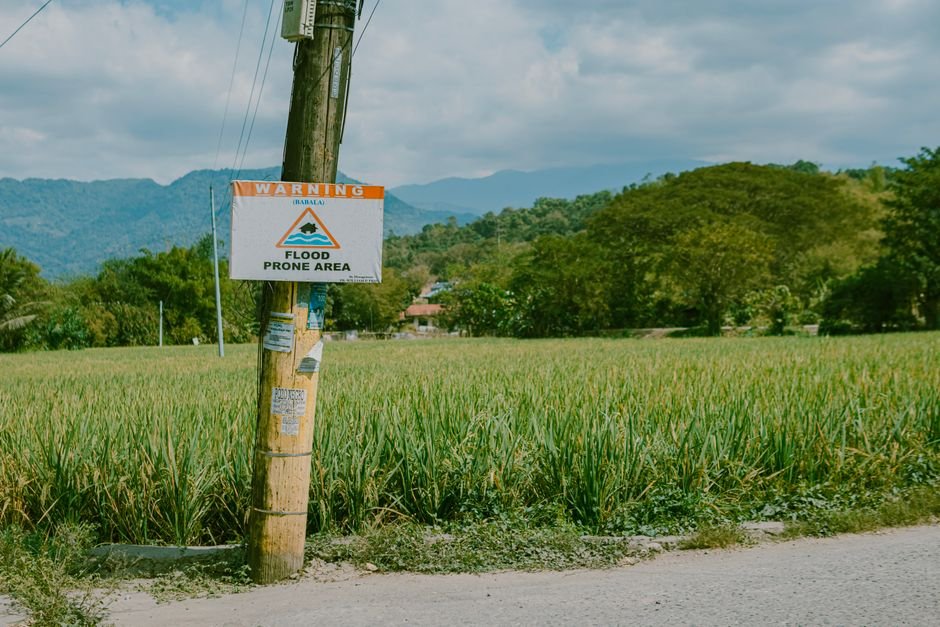
The United Nations Office for Disaster Risk Reduction (UNDRR) has issued a call for proposals to bolster early warning systems across Southeast Asia. The initiative aims to ensure that women, girls, persons with disabilities, and other marginalized communities are not left behind when disaster strikes, and can effectively receive and act upon critical alerts.
The Chenab Times has learned that this grant funding seeks to foster more inclusive disaster preparedness strategies. The focus is on developing and implementing early warning mechanisms that are accessible and actionable for all segments of society, acknowledging that traditional systems often fail to reach those most at risk.
Addressing Gaps in Disaster Communication
Disasters disproportionately affect vulnerable populations, and the effectiveness of early warning systems is often hindered by communication barriers, lack of tailored information, and insufficient access to resources. This UNDRR initiative directly addresses these critical gaps by encouraging the development of solutions that consider the specific needs and circumstances of women, girls, and individuals with disabilities.
The call for proposals invites organizations, research institutions, and civil society groups to submit innovative projects that can strengthen the reach and effectiveness of early warnings. Emphasis is placed on community-based approaches that build local capacity and ensure that warnings are not only disseminated but also understood and acted upon by those who need them most.
Inclusivity as a Cornerstone of Resilience
A fundamental principle of modern disaster risk reduction is the recognition that resilience cannot be achieved without inclusivity. The UNDRR highlights that systems designed without considering the diverse needs of the population are inherently weaker. For example, warnings delivered solely through radio broadcasts may not reach individuals who are deaf or hard of hearing, while alerts requiring internet access may exclude those without reliable connectivity or digital literacy.
Similarly, women and girls may face specific challenges in responding to warnings due to social norms, caregiving responsibilities, or security concerns. Persons with disabilities may require specialized communication methods or support to evacuate safely. The proposed projects are expected to explore and address these multifaceted challenges through tailored interventions.
The Southeast Asian Context
Southeast Asia is a region particularly susceptible to a range of natural hazards, including earthquakes, tsunamis, typhoons, floods, and volcanic eruptions. The high population density, coupled with varying levels of development and infrastructure, makes effective disaster preparedness and response crucial. The frequency and intensity of extreme weather events, exacerbated by climate change, further underscore the urgency of strengthening these early warning systems.
Organizations implementing projects under this grant will be expected to work closely with local communities and national disaster management agencies within the Southeast Asian region. The ultimate goal is to create a more robust and equitable disaster risk reduction framework that leaves no one behind.
Call to Action for Proposal Submission
The UNDRR has outlined specific criteria for proposals, which will be evaluated based on their innovation, feasibility, potential impact, and alignment with the principles of inclusive disaster risk reduction. While the specific deadline for submissions was not detailed in the initial announcement, interested parties are encouraged to seek further information directly from the UNDRR portal.
This initiative represents a significant step towards building more resilient communities across Southeast Asia, ensuring that the most vulnerable are empowered to protect themselves and their families in the face of escalating environmental risks.


The Chenab Times News Desk