


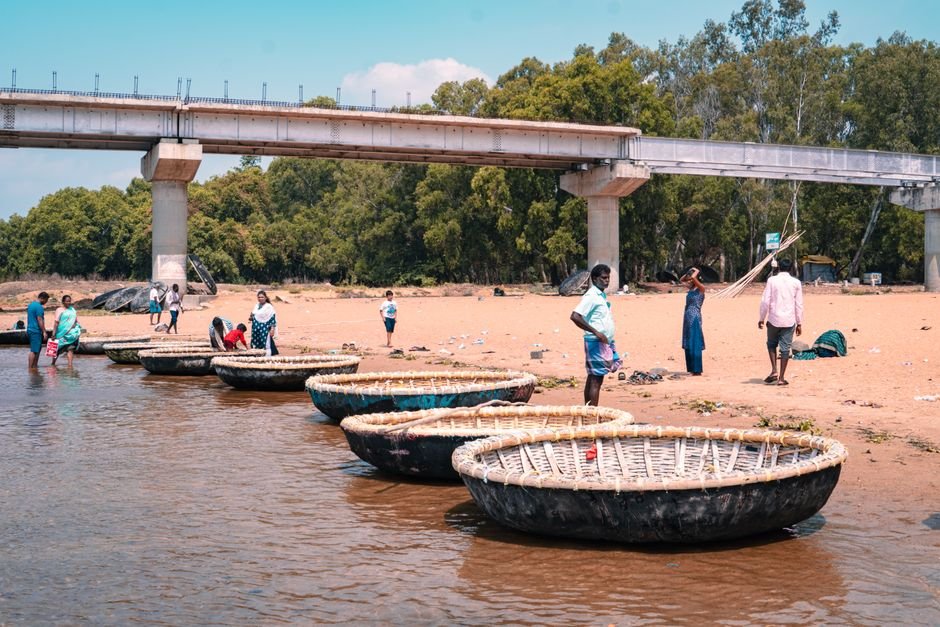
Tamil Nadu has approached the Supreme Court, seeking an immediate directive for Karnataka to release its rightful share of Cauvery water. The state government cited a critical situation arising from Karnataka’s alleged non-compliance with the directions issued by the Cauvery Water Management Authority (CWMA).
In its plea, Tamil Nadu highlighted that the Mettur reservoir, a crucial water source for the state, holds limited reserves that can sustain irrigation for approximately 30 days. The state government is seeking court orders to ensure Karnataka releases water on a proportionate basis, as per previous Supreme Court judgments and the CWMA’s directives. Specifically, Tamil Nadu wants Karnataka to implement the CWMA’s September 8, 2026, decision, which mandates the release of 6,000 cusecs of water daily from September 9 to September 23. Furthermore, the state seeks to address the shortfall from July 1, 2026, to September 9, demanding the release of 16.01 TMC of water at the Billigundulu point on a pro-rata basis.
Tamil Nadu’s government emphasized the vital role of the Cauvery River, stating that a significant portion of its agricultural land, approximately 25 lakh acres, is dependent on its waters. The state pointed out that the Kuruvai crop has been severely impacted by the delayed opening of the Mettur dam in June, and the Samba crop has also suffered due to insufficient irrigation. The opening of the Mettur reservoir on September 1, with its limited reserves, can only support irrigation for another 25 to 30 days. The state government warned that failure to release the backlog of over 16 TMC by September 23 would prejudice irrigation efforts and critically affect the state’s water requirements.
The application further argued that any violation or non-adherence to the Supreme Court’s decrees and CWMA’s directions by Karnataka would constitute wilful disobedience and contempt of court. The Tamil Nadu government alleged that Karnataka and its officials have consistently failed to comply with the directives from both the Supreme Court and the CWMA, thereby seriously jeopardizing the interests of farmers in the Cauvery basin who rely on the river for their livelihood.
The Cauvery water dispute between Tamil Nadu and Karnataka is a long-standing issue, rooted in historical agreements and exacerbated by differing interpretations and compliance challenges, particularly during years of low rainfall. The Cauvery Water Management Authority (CWMA) was established following the Supreme Court’s final verdict in 2018, which allocated specific quantities of water to both states. However, disagreements over releases, especially during distress years, frequently lead to legal recourse and inter-state tensions. The Supreme Court has previously intervened, issuing directions for water release, and has consistently urged both states to comply with the CWMA’s decisions, underscoring the authority’s role in mediating such disputes.
In recent months, the Supreme Court has been actively involved in monitoring compliance. On August 17, 2026, the apex court directed Karnataka to ensure adherence to CWMA’s directives. Tamil Nadu had argued that Karnataka was not releasing the proportionate water share, while Karnataka contended that it was facing severe distress due to low inflows. The court had subsequently asked Tamil Nadu to raise its grievances before the CWMA, and later, on August 24, the bench noted that Karnataka had released water in compliance with CWMA’s directions, though Tamil Nadu disputed the sufficiency of the release. The current plea reflects a continuation of these efforts, with Tamil Nadu seeking judicial intervention to enforce the water release schedule critical for its agricultural needs.


The Chenab Times News Desk