


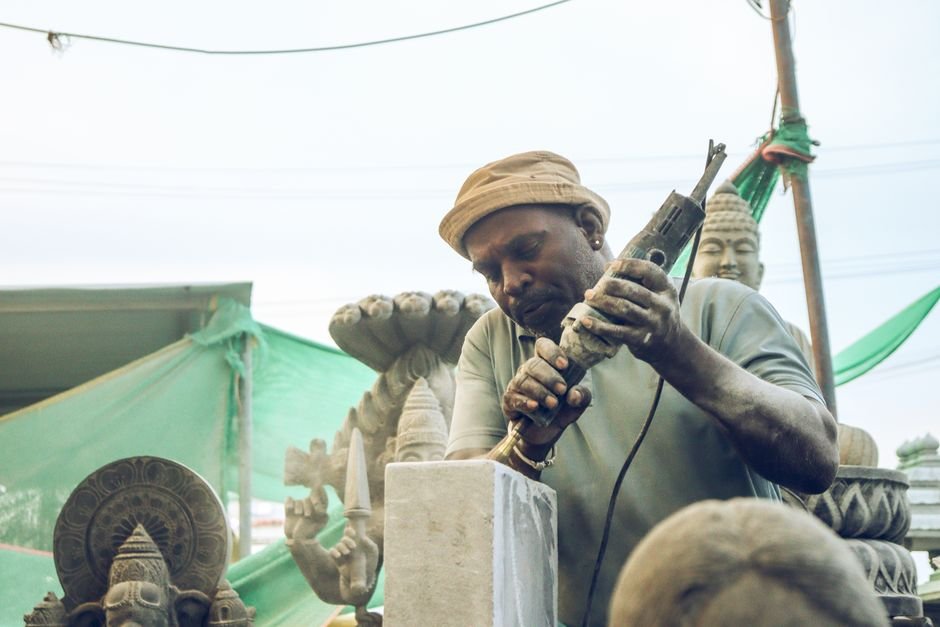
G.N. Gopikrishna, a dedicated social worker and ardent promoter of Indian handicrafts, passed away in Belagavi, Karnataka. He was widely recognized for his significant contributions to safeguarding traditional crafts and empowering artisans.
A Champion for Kolhapuri Chappals
Mr. Gopikrishna gained particular prominence for his role in addressing the unauthorized use of the Kolhapuri chappal design by the European fashion house Prada. He meticulously orchestrated a meeting involving the government of Karnataka, the international company, and the local artisans to resolve the intellectual property dispute. This intervention underscored his commitment to protecting the heritage and livelihoods of Indian craftspeople.
Information was available with The Chenab Times that his efforts were instrumental in raising awareness about the importance of preserving traditional Indian designs and ensuring that artisans receive due recognition and compensation for their work. His advocacy extended beyond the Kolhapuri chappal, encompassing a broader mission to support and elevate various Indian handicrafts on both national and international platforms. His passing is seen as a considerable loss to the handicraft sector in Karnataka and across India.
Gopikrishna was known for his deep understanding of the challenges faced by artisans, including issues related to market access, intellectual property rights, and fair trade practices. He actively engaged with policymakers, industry stakeholders, and the artisan community to foster an environment where traditional crafts could thrive and remain economically viable. His work often involved bridging the gap between traditional craft practices and contemporary market demands, ensuring their relevance in a globalized world.
His proactive approach in confronting global fashion giants demonstrated his unwavering resolve to defend the cultural patrimony of India. The case involving Prada brought to the forefront the vulnerabilities of traditional Indian crafts in the face of global commercial interests and highlighted the necessity of robust legal and advocacy frameworks to protect them. Mr. Gopikrishna’s efforts in this regard set a precedent for future actions to safeguard indigenous designs.
Belagavi, his place of residence, is a city in North Karnataka that has historically been a hub for various industries and crafts. Gopikrishna’s activities were deeply rooted in the region, drawing inspiration from its rich cultural tapestry. His legacy includes fostering a greater appreciation for the intricate artistry and cultural significance embedded in Indian handicrafts, encouraging consumers and businesses alike to support authentic craftsmanship.
The news of his demise has been met with widespread sorrow from artisans, cultural organizations, and government bodies who had the opportunity to collaborate with him. Tributes have poured in, remembering him as a tireless advocate, a compassionate individual, and a true custodian of India’s artistic heritage. His passing marks the end of an era for many who looked up to him for guidance and inspiration in the field of handicraft promotion.


The Chenab Times News Desk