


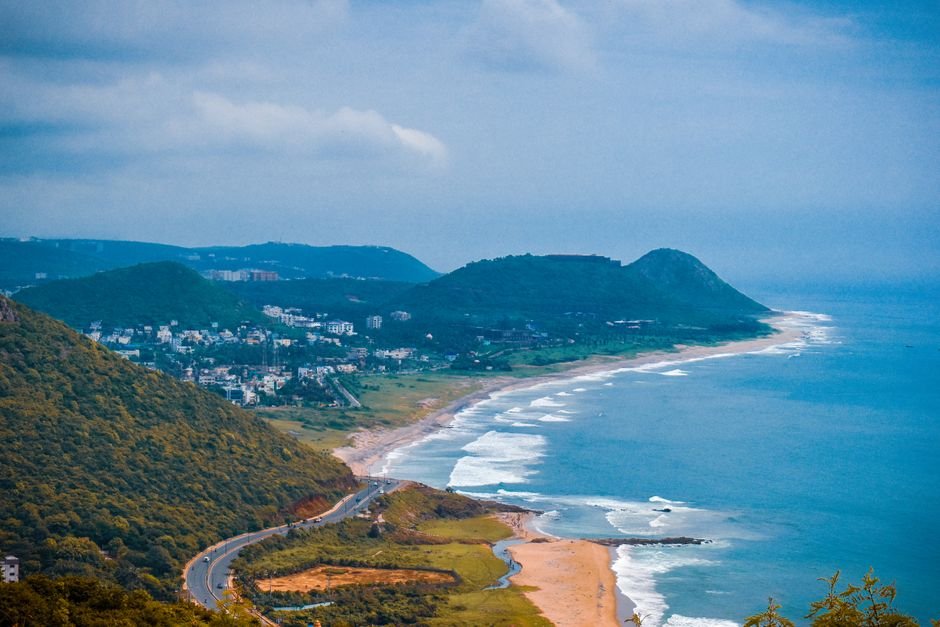
VISAKHAPATNAM: The coastal city of Visakhapatnam is increasingly focusing on sustainable tourism, offering visitors experiences that go beyond conventional checklists and emphasize environmental conservation and community engagement. Several initiatives are promoting eco-friendly travel, from the verdant hills of the Eastern Ghats to the vibrant marine life along its coastline.
Eco-Stay and Local Integration Near Araku
Near the popular Araku Valley, the Pravaham eco-stay in Mettavalasa village exemplifies sustainability through its construction and operations. Founder V. Samved stated that approximately 90% of the property utilizes locally sourced materials like soil, hay, timber, and bamboo. Natural temperature regulation is achieved through mud, cob, and hydrated lime plaster, significantly reducing the need for artificial cooling systems. The establishment further supports local communities by sourcing food and labor from nearby villages and encourages guests to engage with the natural surroundings through activities like spending time by the stream and participating in the ‘Plant a Memory’ initiative.
EcoHikes Promotes Responsible Trekking in Eastern Ghats
EcoHikes, a trekking group led by Ravi Teja, has adapted its operations to minimize environmental impact. Over nine years, the organization has led more than 600 treks in the Eastern Ghats, taking over 8,000 participants on journeys. Recognizing the need for a lighter footprint, group sizes have been reduced from 30 to around 12 individuals. The group utilizes gas stoves instead of firewood for camping and prepares home-cooked meals, often incorporating local ingredients, served on eco-friendly banana or Bauhinia leaves. Efforts are made to reduce packaged food and plastics, with participants encouraged to carry back all waste.
Marine Conservation Through Tidepool Walks and Responsible Diving
Along the Visakhapatnam coast, the East Coast Conservation Team (ECCT), co-led by Deepu Visweswar and Priyanka Vedula, offers tidepool walks. These guided excursions aim to educate visitors about the delicate marine ecosystems, highlighting the biodiversity present in these intertidal zones. The ECCT emphasizes minimizing disturbance to marine life, with participants asked not to touch or interfere with the organisms. Similarly, initiatives like Platypus Escapes are integrating conservation into scuba diving experiences. Divers are encouraged to maintain a respectful distance from marine life, avoid damaging corals, and participate in underwater clean-up activities, fostering a deeper understanding and appreciation for the underwater environment.
Government and Local Initiatives Support Sustainable Growth
Visakhapatnam’s push towards sustainable tourism is also supported by governmental and regional development plans. A proposal by Visakhapatnam MP M. Sribharat suggests an integrated eco-tourism development plan to link key attractions like Kailasagiri, Indira Gandhi Zoological Park, and Kambalakonda Wildlife Sanctuary. This initiative aims to bolster the city’s tourism potential while prioritizing environmental protection. Preliminary proposals have been reviewed with officials from the Visakhapatnam Metropolitan Region Development Authority (VMRDA) and the Forest Department, focusing on developing adventure tourism facilities and assessing infrastructure to enhance visitor experiences. Recent reports also indicate a broader governmental focus on developing eco-tourism projects and improving infrastructure to support a surge in visitors, with over 61 million tourists recorded in the region in 2023. The development of the Bhogapuram International Airport and a new cruise terminal are also expected to further boost tourism in Visakhapatnam.
These diverse efforts reflect a growing commitment in Visakhapatnam to foster tourism that benefits both the environment and local communities, moving towards a more responsible and enriching travel experience.


The Chenab Times News Desk