


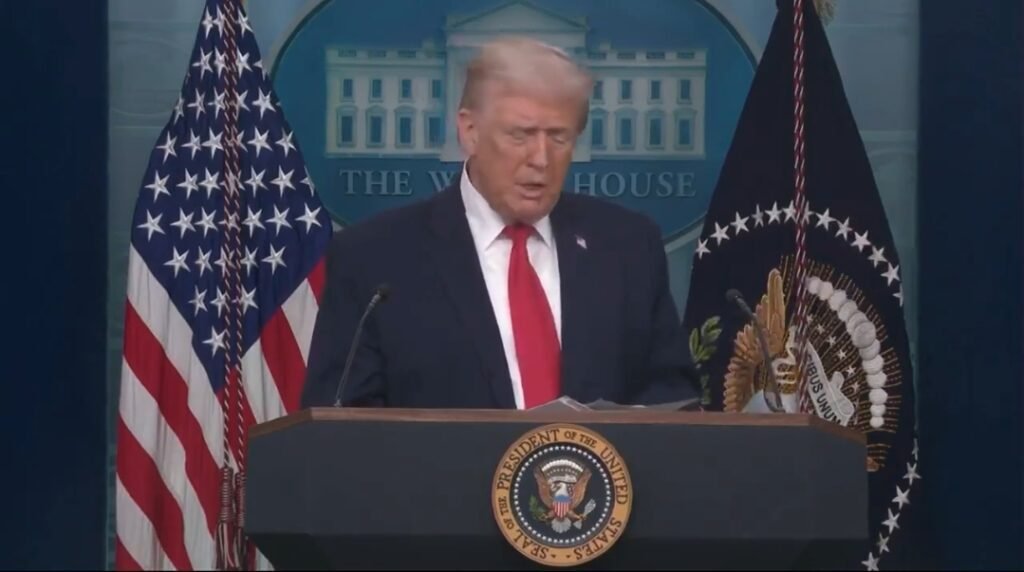
In a notable diplomatic gesture, Chinese President Xi Jinping was presented with a custom-made sculpture of a bald eagle by then-U.S. President Donald Trump during a state dinner at the White House. The gift, unveiled on September 25, 2026, symbolized “the free and soaring spirit of America,” according to Trump, who also mentioned his and First Lady Melania Trump’s involvement in the sculpture’s design. This exchange highlighted the ongoing tradition of diplomatic gift-giving as a facet of international relations between the two global powers.
The presentation of the bald eagle sculpture occurred during a period of complex U.S.-China relations, marked by discussions on trade, artificial intelligence, and geopolitical issues such as Iran and Taiwan. While the summit itself did not yield major breakthroughs on these contentious points, the diplomatic gift served as a symbolic element of the high-level engagement. The bald eagle, a national symbol of the United States representing freedom, strength, and independence, was chosen to convey a message of amity and mutual respect between the two nations.
This act of gift-giving is part of a broader historical context of diplomatic exchanges between the United States and China. The tradition of presenting symbolic items to foster goodwill and strengthen bilateral ties has been a consistent feature in international diplomacy for centuries. For instance, China has a well-established practice of “panda diplomacy,” where giant pandas are loaned to other countries as envoys of friendship. In conjunction with the eagle sculpture presentation, Chinese President Xi Jinping announced that China would gift two pandas to a zoo in Atlanta and initiate a new student exchange program to welcome 100,000 American students to study in China over five years. This move was framed as a continuation of the “panda diplomacy” that has long symbolized cooperation and friendship between the two peoples, with the pandas serving as living symbols of goodwill.
The bald eagle, while a potent symbol of the United States, has a conservation history that underscores a successful recovery from endangerment. Protected under the Bald and Golden Eagle Protection Act and previously by the Endangered Species Act, the species saw a remarkable resurgence due to conservation efforts, including the ban on the pesticide DDT. By 2007, the bald eagle was removed from the federal endangered species list, marking it as a symbol of conservation success and resilience. Its status as the national bird since 1782 further cements its significance as an emblem of American identity.
The tradition of diplomatic gifts, while often ceremonial, plays a role in the intricate dance of international relations. These exchanges can range from symbolic gestures to significant cultural items, aiming to cultivate beneficial relationships and convey messages of respect and cooperation. In this instance, the bald eagle sculpture, alongside the announcement of the panda gifts and student exchange program, represented an effort to reinforce the ties between the United States and China amidst ongoing strategic competition and areas of disagreement. The gifts were presented during a period that saw both leaders, Donald Trump and Xi Jinping, emphasizing personal rapport and the potential for continued dialogue on matters of mutual interest, including trade, technology, and global stability.
The state dinner, attended by a mix of business leaders, tech titans, and political figures, provided a platform for these symbolic exchanges. While the substantive outcomes of the summit discussions were limited, the emphasis on personal connections and the exchange of meaningful gifts aimed to underscore a commitment to maintaining a stable, if competitive, relationship between the two largest economies in the world. The gifts also reflected a broader pattern of symbolic diplomacy employed by both nations to navigate their complex relationship.
The White House, a traditional venue for such exchanges, hosted the event where the bald eagle sculpture was presented. The significance of the gift was further amplified by President Trump’s statement that he and the First Lady had participated in its design, adding a personal touch to the diplomatic offering. This gesture aligns with a broader trend where leaders seek to imbue diplomatic gifts with personal meaning and symbolic weight, aiming to foster a more personalized and memorable aspect of international diplomacy. The enduring legacy of such exchanges, from ancient times to modern “panda diplomacy,” highlights their continued relevance in shaping perceptions and fostering goodwill between nations.


Global Affairs Desk at The Chenab Times covers international developments, global diplomacy, and foreign policy issues through fact-based reporting, explainers, and analytical pieces. The desk focuses on major geopolitical events, diplomatic engagements, and international trends, with an emphasis on verified information, multiple perspectives, and contextual understanding of global affairs.