


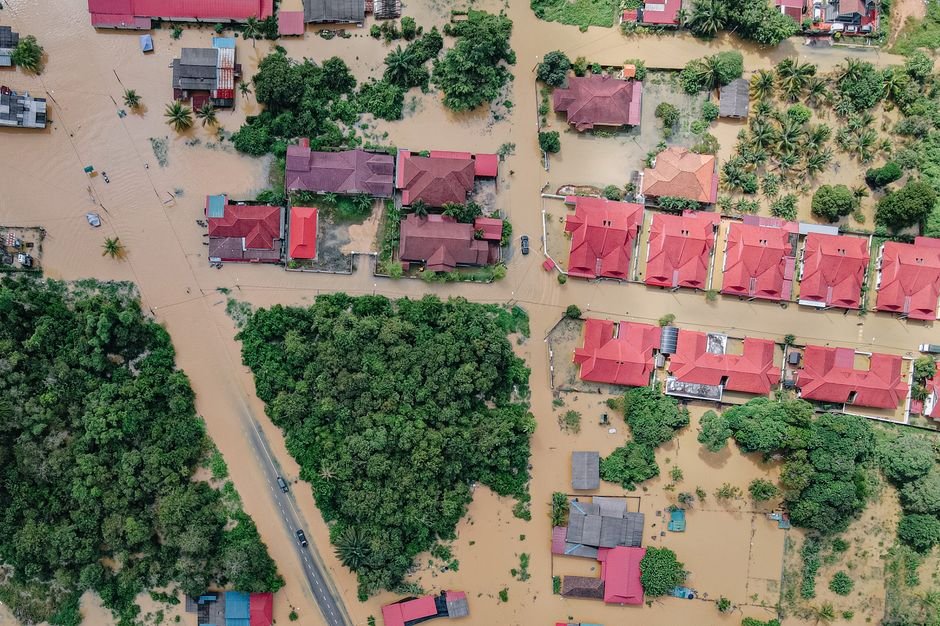
Flooding in Andhra Pradesh’s Srikakulam district has resulted in an estimated damage of ₹150 crore, with vast agricultural lands submerged and significant crop losses reported. The deluge, triggered by a deep depression over the Bay of Bengal that crossed the coast near Kalingapatnam, has inundated paddy fields and damaged crucial infrastructure, leaving farmers facing severe financial hardship.
Widespread Crop Damage and Financial Losses
The floods have inundated approximately 30,000 acres of agricultural land across Srikakulam district, affecting an estimated 28,885 farmers in 382 villages. The economic impact is substantial, with preliminary government estimates placing the total loss at around ₹150 crore. Farmers had invested between ₹9,500 and ₹15,000 per acre in their crops, with expected earnings around ₹60,000 per acre. The standing crops, primarily paddy, maize, and cotton, were at various critical stages of growth, making them highly vulnerable to prolonged waterlogging.
In specific areas like Allina village in Burja mandal, paddy across 1,100 acres was damaged due to the stagnation of Nagavali river water. Farmers like Pativada Bhaskara Rao have urged the irrigation department to expedite water drainage from the fields, fearing complete crop loss if the water remains for a few more days. Varada Rambabu, another farmer, echoed these concerns, highlighting the devastating impact on their livelihoods.
The situation is compounded by the fact that many areas in Srikakulam had already experienced drought-like conditions earlier in the Kharif season due to a rainfall deficit. Farmers who had invested in fertilizers and seeds faced further losses as the flash floods inundated their standing crops, including paddy, maize, sugarcane, banana, and papaya.
Infrastructure Disruption and Government Response
Beyond agricultural damage, the floods have also impacted infrastructure. A causeway at Allina village in Burja mandal was damaged, disrupting connectivity to several areas, including Burja, Palakonda, and Srikakulam town. The district administration reported that approximately 53 villages in Srikakulam district were cut off. In response, restoration works have been undertaken, with ₹10 lakh sanctioned for the temporary repair of one damaged causeway. However, a long-term solution like a bridge, estimated to cost around ₹50 lakh, has been proposed.
The district administration, led by Collector Swapnil Dinakar Pundkar, has been actively involved in the relief and restoration efforts. While heavy inflows into rivers like the Nagavali, Vamsadhara, and Bahuda contributed to the flooding, efforts were made to manage the water levels. Officials advised farmers on cultivating alternative crops in view of the prevailing conditions, and teams were deployed to clear roads blocked by fallen trees and restore power supply.
The government has pledged to provide aid to the affected farmers. Minister K. Atchannaidu has assured compensation, and agriculture officials are enumerating crop damage using the Andhra Pradesh Agriculture Information Management System (APAIMS) app, which involves uploading details, including farmers’ bank account information and photographs of damaged crops. Senior agriculture scientists are also expected to visit the fields to provide recommendations for protecting any standing crops that may still be salvaged.
Broader Impact in North Andhra
Srikakulam was not the only district affected in the North Andhra region. Heavy rains and floods have impacted thousands of hectares of agriculture and horticulture crops across Srikakulam, Vizianagaram, and Parvathipuram-Manyam districts. Preliminary estimates indicate that over 13,550 hectares of agriculture crops and 1,030 hectares of horticulture crops were damaged across these three districts. In Srikakulam alone, 12,400 hectares of agriculture crops and 762 hectares of horticulture crops suffered damage. The region is predominantly agrarian, with a large population dependent on farming, making the impact of these floods particularly severe on the rural economy.


The Chenab Times News Desk