


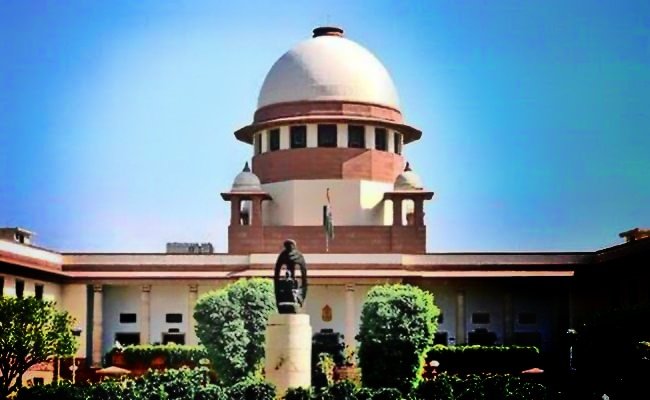
The Supreme Court has mandated the Delhi Police Commissioner to establish specialized police units in each district to conduct an immediate survey and inspection of areas identified as vulnerable to criminal activity. These directives aim to enhance public safety and prevent incidents of crime, particularly sexual offenses, across the National Capital Region.
According to details received by The Chenab Times, the apex court has instructed the formation of these dedicated teams, each to be headed by a Deputy Superintendent of Police. The survey will encompass a broad spectrum of locations, including the city’s outskirts, isolated stretches, public parks, transport hubs, markets, and areas surrounding educational institutions.
Identifying and Mapping Vulnerable Zones
The Supreme Court’s order stems from its suo motu cognizance of recent alarming incidents of rape, including those reported in Aastha Kunj Park, Swaroop Nagar, and a disturbing case on a moving sleeper bus between Greater Noida and Delhi. A Bench comprising Justice JB Pardiwala and Justice K Vinod Chandran has set a four-week deadline for the Delhi Police chief to implement these interim measures. The court emphasized that the audit should be comprehensive, drawing on National Crime Records Bureau (NCRB) data, local intelligence, past and present complaints, previous incidents, and other objective indicators to pinpoint locations prone to crime. The teams are tasked with identifying areas characterized by inadequate lighting, lack of surveillance, insufficient patrolling, abandoned structures, and poor access control, which can elevate the risk of criminal activities.
To ensure a coordinated approach, the court ordered the preparation and dissemination of a district-wise vulnerability map across adjoining police stations. This measure is intended to prevent crucial information regarding recurring crime patterns and habitual offenders from remaining confined within the jurisdiction of individual police stations.
Enhanced Security and Patrols Mandated
Following the identification of vulnerable areas, the court directed that appropriate patrolling and security arrangements be deployed consistently, with particular emphasis during evening and early morning hours. These deployments are to be adapted based on the findings of the crime and vulnerability assessment. A designated officer will be held responsible for each identified location, and authorities are required to establish a system for periodic inspections to ensure the effectiveness of these security measures. The court reiterated the necessity of strictly enforcing safety protocols and directions previously laid down in the case of Avishek Goenka v. Union of India & Anr (2011). This earlier judgment had specifically highlighted how the use of black, tinted, or solar-control films on vehicle windows facilitates criminal activities by concealing actions within the vehicle.
The police are now ordered to ensure complete compliance with the prohibition on aftermarket window films. Immediate actions are to be taken to impound non-compliant vehicles, remove illegal window coatings, and prosecute offenders without further delay.
CCTV and Lighting Audits for Improved Surveillance
In a significant step towards bolstering surveillance and deterring crime, the Supreme Court has also ordered an immediate audit of lighting and CCTV infrastructure across all public parks and vulnerable zones. The objective is to eliminate blind spots and ensure comprehensive coverage. Non-functional CCTV cameras and lighting systems are to be repaired or restored promptly. Furthermore, additional lights and CCTVs are to be installed wherever deficiencies are detected or reported by citizens. A similar audit will be conducted for public transport facilities, including Metro stations, bus stops, bus terminals, and railway stations, particularly those located within or adjacent to the identified vulnerable areas.
The court also directed the concerned authorities to leverage existing citizen grievance-redressal mechanisms, such as the CM Jan Sunwai Portal, as an additional avenue for gathering information on public safety infrastructure deficiencies. Citizens are encouraged to report issues like inadequate or non-functional lighting, insufficient CCTV coverage, dark or isolated stretches, unsafe access points, and other vulnerabilities in public places. The court stipulated that each report should, where appropriate, be geo-tagged or made location-specific and forwarded to the competent authority for verification and action within a prescribed timeframe. Verified deficiencies are to be addressed through remedial measures, including the installation or augmentation of lighting and CCTV infrastructure. The status of these complaints and the actions taken will be traceable by the complainant, fostering transparency and accountability.
The Commissioner of Police, in collaboration with civic authorities and other relevant agencies, will be responsible for periodically analyzing complaints received through this mechanism. Recurring or corroborated complaints will be incorporated into the vulnerability mapping exercise, ensuring that citizen feedback directly informs public safety strategies and the identification of emerging vulnerabilities.
The court further ordered intensified police patrolling, including the establishment of mobile check-posts and regular vehicular inspections, to enhance visible police presence and deter potential offenders in identified high-risk areas.


The Chenab Times News Desk