


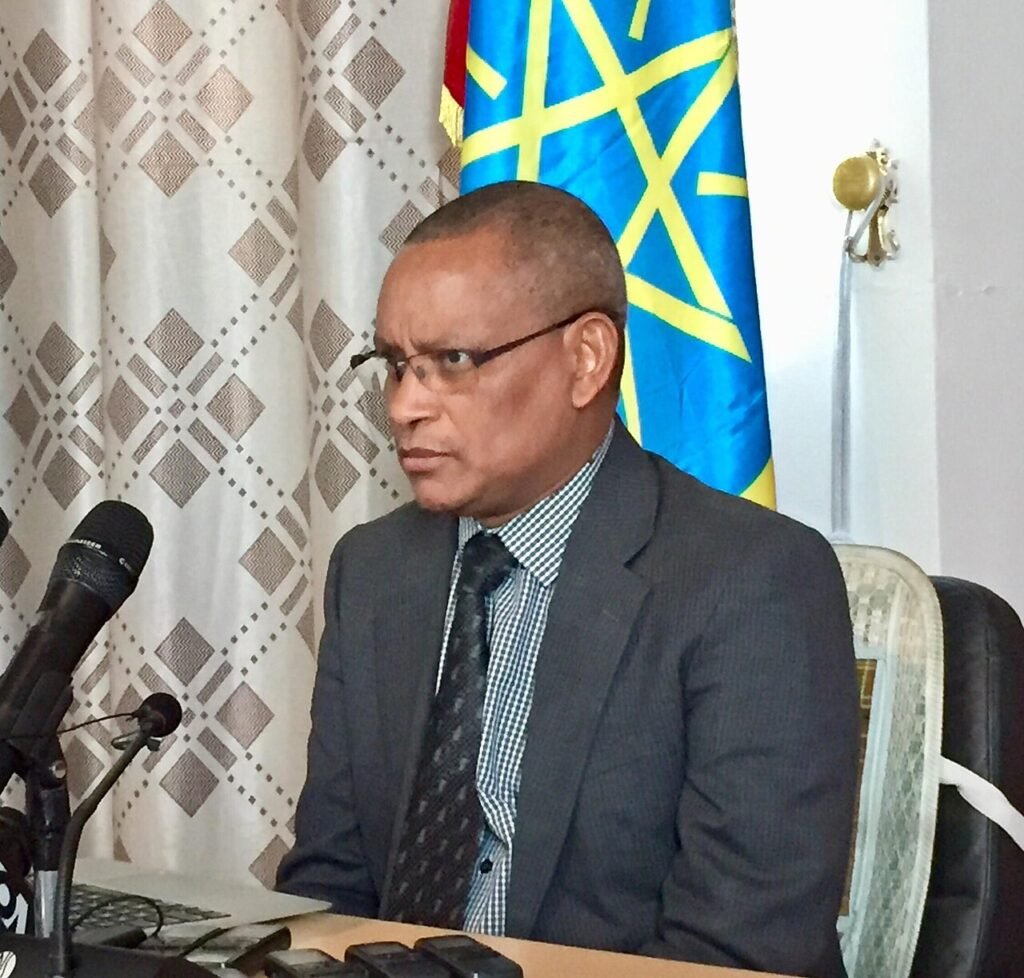
Renewed fighting has erupted in Ethiopia’s northern Tigray region, threatening to reignite the devastating civil war that concluded in 2022. The Tigray People’s Liberation Front (TPLF) has launched offensives into neighboring Amhara and Afar regions, shattering a fragile peace agreement and alarming international observers. This escalation has also triggered a diplomatic crisis, with Ethiopia severing ties with Eritrea and expelling an Egyptian diplomat.
The conflict reignited in late September 2026 when the TPLF, along with six other armed and political groups, announced the formation of the Ethiopian Peoples’ Forces Alliance for Survival, an alliance explicitly aimed at overthrowing Prime Minister Abiy Ahmed’s government. Shortly after, the TPLF seized control of three airports in Tigray: Mekelle, Axum, and Shire. Ethiopian Airlines suspended flights to the region due to the volatile situation.
Pro-government forces, including the Tigray Peace Forces militia, claim to have made significant advances, pushing TPLF fighters out of Afar and regaining control of towns like Abala, Erebti, and Megale. They also claim to be advancing towards Mekelle, the Tigrayan capital. However, reports from the ground are difficult to independently verify due to communications blackouts and restrictions on media access.
The renewed violence has spilled over into diplomatic relations. Ethiopia accused Eritrea of supporting the TPLF and severed all diplomatic ties on October 1, 2026, closing its embassy in Asmara and declaring ten Eritrean diplomats persona non grata. Eritrea responded by severing its own diplomatic ties with Ethiopia. Simultaneously, Ethiopia expelled an Egyptian diplomat, a move that Cairo reciprocated. These diplomatic breakdowns have exacerbated existing tensions, particularly concerning Ethiopia’s Grand Ethiopian Renaissance Dam on the Nile River.
The Tigray conflict, which began in November 2020, was one of the deadliest in recent history, resulting in hundreds of thousands of deaths and widespread atrocities. The war formally ended with a cessation of hostilities agreement signed in Pretoria in November 2022. However, underlying political and territorial disputes remained unresolved, creating fertile ground for the current resurgence of violence.
Analysts suggest the TPLF’s current offensive aims to destabilize the federal government and potentially cut off vital supply lines. The alliance formed by the TPLF and other groups indicates a broader opposition to Prime Minister Abiy Ahmed’s administration. Reports suggest that Eritrea may be providing financial backing to the alliance, a claim Eritrea has repeatedly denied. The involvement of various regional actors raises fears of a wider conflagration across the Horn of Africa.
The humanitarian situation in the affected regions is dire. Aid organizations report that the fighting has disrupted humanitarian operations, with telecommunications cut off in much of Tigray. Access to food is severely limited in some areas, and tens of thousands have been displaced. The United Nations has expressed grave concern over the escalating violence and urged all parties to exercise maximum restraint and pursue dialogue.
Explosions were also reported in Addis Ababa, the Ethiopian capital, raising concerns that the conflict could spread to the heart of the country. Diplomatic sources reported blasts near the Ethiopian National Defense Force (ENDF) headquarters and other military installations. While a source linked to the opposition alliance claimed responsibility for drone strikes in the capital, these claims could not be independently verified. The Ethiopian government had recently banned drone flights around Addis Ababa due to security concerns.
The Ethiopian government frames the TPLF as a rogue administration colluding with internal and external actors to undermine the country’s stability. The TPLF, conversely, describes its actions as a defensive war against aggression. The current situation represents the most serious challenge to the 2022 Pretoria agreement and underscores the persistent fragility of peace in the region. The international community, including the United Nations and the African Union, has called for de-escalation and a return to peace talks, but achieving a lasting resolution remains a significant challenge.



Global Affairs Desk at The Chenab Times covers international developments, global diplomacy, and foreign policy issues through fact-based reporting, explainers, and analytical pieces. The desk focuses on major geopolitical events, diplomatic engagements, and international trends, with an emphasis on verified information, multiple perspectives, and contextual understanding of global affairs.