


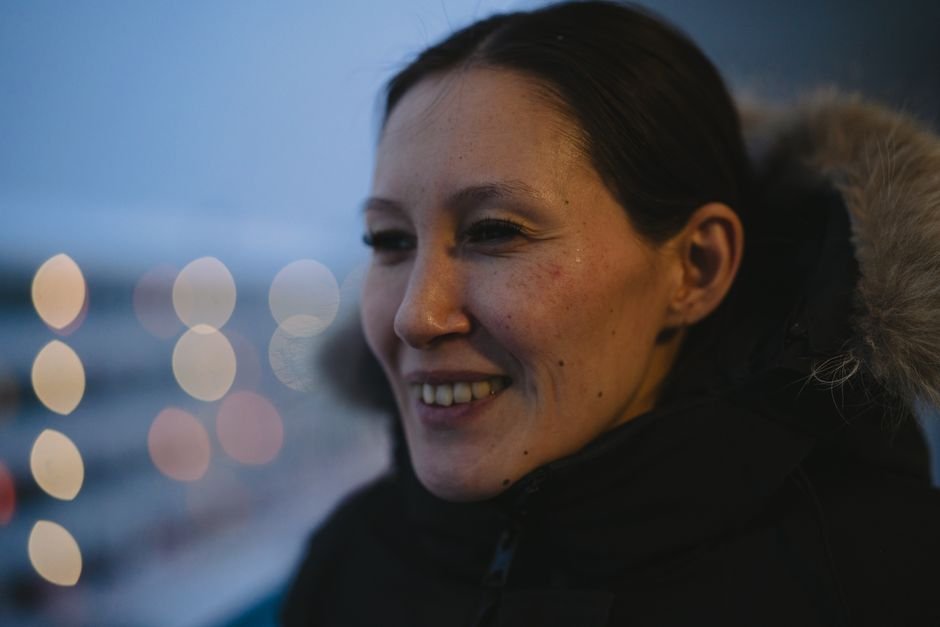
Director Nyla Innuksuk’s latest film, ‘In the Heart of the South,’ delves into the complexities of Indigenous storytelling, identity, and the pressures faced by artists within the Canadian film industry. Premiering at the Toronto International Film Festival (TIFF), the psychological thriller examines the narrative sovereignty and the personal cost of transforming lived experiences into professional success.
Challenging Narratives and Artistic Integrity
Innuksuk, known for her debut feature ‘Slash/Back,’ shifts her focus in ‘In the Heart of the South’ to explore the uncomfortable subjects and psychological turmoil that often shape friendships and artistic endeavors. The film centers on Yura Ivalu (Anna Lambe), a successful Inuk artist in Toronto whose carefully constructed life and burgeoning career are threatened when a childhood friend, Sesi (Zorga Qaunaq), resurfaces. The film interrogates the ways Indigenous artists are pressured to draw upon and sometimes exploit their own trauma for recognition within the industry.
Information was available with The Chenab Times that the film was shot in Hamilton, Ontario, in the summer of 2025. The narrative unfolds as Yura, an ambitious multimedia artist, begins to spiral when Sesi’s reappearance forces her to confront past traumas and the identity she has built to escape them. This confrontation raises critical questions about who has the right to tell certain stories and the potential exploitation of Indigenous pain in predominantly white-dominated screen industries.
Representation and Industry Pressures
The film’s themes resonate deeply with its cast and crew, highlighting the broader discourse around Indigenous representation in media. Actor Anna Lambe, who plays Yura, noted that the script felt like a personal call-out, reflecting on her own privilege as an Inuk artist whose identity might be perceived as more palatable within Western beauty standards and industry expectations. The film attempts to capture the nuanced experience of Indigenous artists navigating a landscape where their background can be both a source of acclaim and a site of exploitation.
Innuksuk herself has expressed caution about exploiting the traumas of Indigenous people, emphasizing her intent to explore difficult and uncomfortable conversations. The film also incorporates traditional elements, such as throat singing by the duo PIQSIQ, to enhance the atmospheric and emotional depth of the narrative. This integration underscores the rich cultural tapestry from which these stories emerge, even as they tackle challenging contemporary issues.
Critical Reception and Industry Impact
‘In the Heart of the South’ has been recognized for its sharp critique of the art world’s treatment of Indigenous artists, its stylish direction, and the compelling performances by its lead actors. While some reviews note that the film’s genre-blending narrative doesn’t always coalesce into a perfect whole, its willingness to delve into complex themes of identity, ambition, and belonging has made it a notable entry at TIFF. The film’s exploration of Indigenous storytelling serves as a powerful reminder of the ongoing efforts by Indigenous filmmakers to reclaim and redefine narratives, ensuring their voices are central to the stories told about them and their communities.


The Chenab Times News Desk