


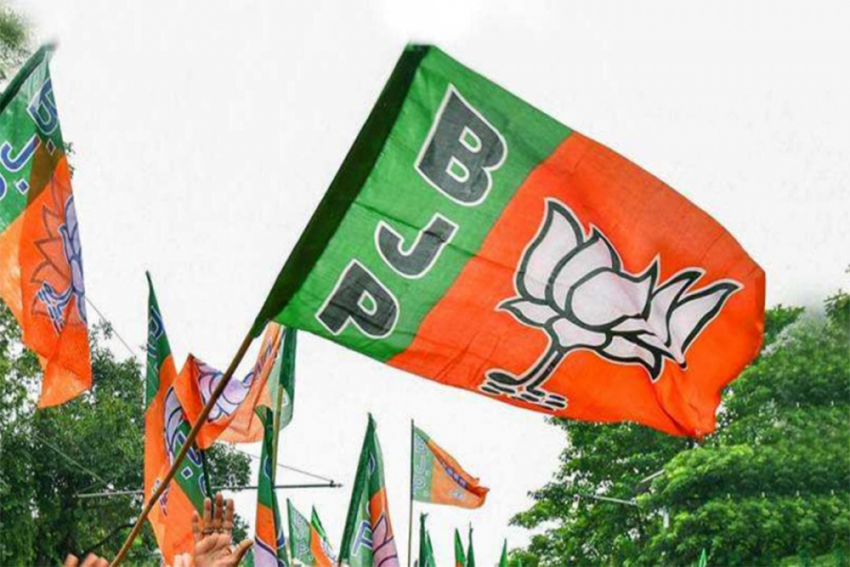
Ten candidates, comprising eight from the Bharatiya Janata Party (BJP) and two from the Samajwadi Party (SP), have been declared elected unopposed to the Rajya Sabha from Uttar Pradesh. The announcement followed the conclusion of the nomination withdrawal period on Friday, October 9, 2026.
According to details received by The Chenab Times, the Returning Officer for the Rajya Sabha polls, Ajit Kumar Verma, confirmed that all ten candidates in the fray have been declared elected without a contest. Friday marked the final day for the withdrawal of nominations.
The eight BJP candidates who secured unopposed victory are Dharampal Singh, Radhakant Ojha, Prakash Pal, Vidyasagar Sonkar, Gopi Krishna Pandey, Priyanka Singh Rawat, Ram Pratap Singh Chauhan, and Shruti Gangwar. The two successful candidates from the Samajwadi Party are senior leader Ram Gopal Yadav and industrialist Dhanraj Parimal Nathwani.
Certificates of election were issued to most of the newly elected members. Representatives collected the certificates on behalf of Ram Gopal Yadav and Radhakant Ojha. Samajwadi Party candidate Dhanraj Parimal Nathwani is expected to collect his certificate on October 12.
The terms of the current ten Rajya Sabha members from Uttar Pradesh are set to conclude on November 25, necessitating these biennial elections. This outcome means that the BJP retains its eight seats, while the Samajwadi Party secures its two seats, with no opposition candidates successful.
Uttar Pradesh Chief Minister Yogi Adityanath extended his congratulations to the BJP candidates on X, formerly Twitter. He expressed confidence that the newly elected members would contribute significantly to Prime Minister Narendra Modi’s vision of ‘Viksit Bharat’ and bolster the nation’s progress.
The election process typically involves members of the state legislative assemblies (MLAs) voting through a system of proportional representation. However, with the number of valid nominations matching the number of vacant seats, the electoral contest was avoided. This situation arose after the nomination papers of two independent candidates were rejected during the scrutiny process on technical grounds, and the Samajwadi Party ultimately decided not to field a third candidate.
Among the outgoing Rajya Sabha members from Uttar Pradesh whose terms are ending are Union ministers Hardeep Singh Puri and B L Verma, BJP leaders Arun Singh, Geeta Shakya, Neeraj Shekhar, Brijlal, and Seema Dwivedi, Samajwadi Party leader Ram Gopal Yadav, and BSP’s Ramji Gautam. Notably, the BJP has fielded an entirely new set of candidates for these biennial elections, not renominating any of its eight outgoing members from the state. This strategic shift by the party is seen by political observers as an effort to accommodate a fresh set of political representatives with diverse organisational, social, and regional credentials, potentially in preparation for the upcoming 2027 assembly elections.
The Samajwadi Party, supported by its current strength in the Uttar Pradesh Assembly, has managed to retain its two seats. Veteran leader Ram Gopal Yadav has been re-elected, alongside industrialist Dhanraj Parimal Nathwani, who is a Group President at Reliance Industries Limited and has associations with its manufacturing divisions in Jamnagar and Vadodara. He also serves as a Director at Reliance New Energy Limited.
The Bahujan Samaj Party (BSP), which previously held one Rajya Sabha seat from Uttar Pradesh, will see its representation in the Rajya Sabha from the state conclude with the retirement of its sole member, Ramji Gautam, as the party did not have sufficient numbers in the assembly to field a replacement candidate.
The unopposed election of these ten candidates highlights the electoral dynamics within the Uttar Pradesh Legislative Assembly, where the distribution of seats among the major political parties determined the outcome of the Rajya Sabha biennial elections without the need for a direct vote.


The Chenab Times News Desk