


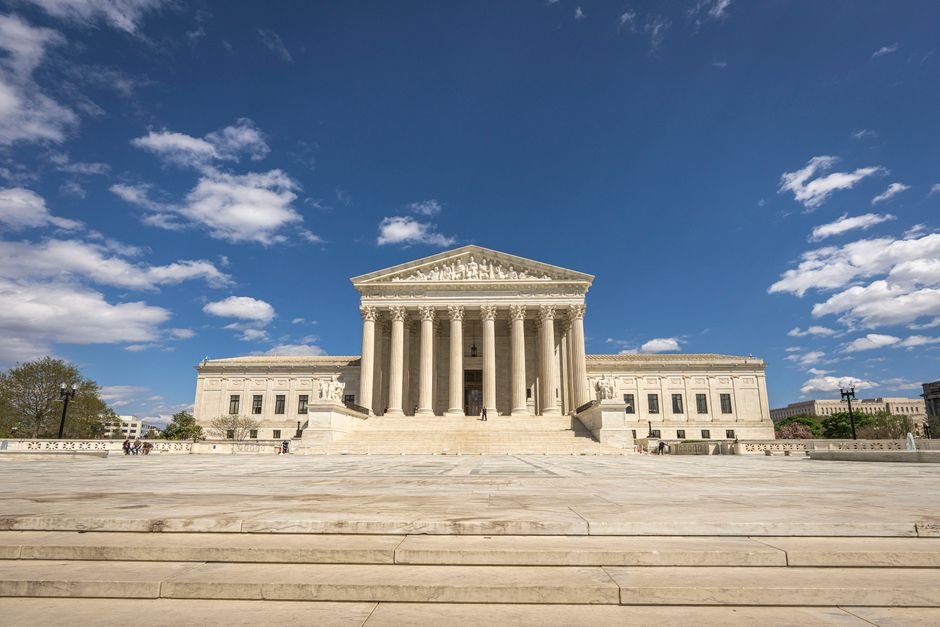
The Supreme Court of India has refused to entertain a plea seeking a Central Bureau of Investigation (CBI) probe into allegations concerning the sale of election tickets by political parties based in Uttar Pradesh. The apex court directed the petitioner to pursue the matter before the Election Commission of India, emphasizing the commission’s role in addressing such grievances.
Supreme Court Refers Petitioner to Election Commission
A bench comprising Chief Justice of India Surya Kant and Justices Joymalya Bagchi and V. Mohana stated that the court had no reason to doubt the Election Commission’s ability to address the issues raised. The plea, filed by the Swaraj Vahini Association, referred to sting operations that had surfaced on social media, allegedly indicating the sale of election tickets by certain unrecognized political parties in Uttar Pradesh. The court noted that the petitioner association’s Public Interest Litigation (PIL) on the same issue had previously been dismissed by the Allahabad High Court.
The Allahabad High Court, on September 7, had dismissed the PIL seeking a CBI or other agency investigation into the sting operations. A division bench of Chief Justice Arun Bhansali and Justice Kshitij Shailendra had observed that courts could not be expected to direct investigations into every sting operation or social media report presented in the name of public interest.
Background of the Plea
The petition had named the Election Commission, the Central government, the Chief Election Commissioner, and several Uttar Pradesh-based political parties, including the Nishad Party, Suheldev Bharatiya Samaj Party, Apna Dal Sone Lal, and Jan Janvadi Party Socialist, as respondents. The core of the plea was based on sting operations that were purportedly circulated on social media, purporting to show evidence of election tickets being sold. The petitioner sought a thorough investigation by a central agency to ascertain the veracity of these claims and to take appropriate action against any parties found to be involved.
However, the Supreme Court’s decision reflects a judicial stance that such matters, particularly those concerning the electoral process and the conduct of political parties, are primarily within the purview of the Election Commission. The directive to approach the poll body signifies a preference for established institutional mechanisms to handle electoral disputes and alleged malpractices. The court’s intervention in such matters is typically reserved for cases where there is a clear violation of law or constitutional principles that the statutory bodies are unable to address.
Election Commission’s Role in Electoral Malpractices
The Election Commission of India is vested with comprehensive powers to ensure free and fair elections. This includes the power to investigate allegations of electoral malpractices, such as the illegal sale of tickets or other forms of corruption in the election process. Political parties are expected to adhere to a code of conduct, and any violation can lead to penalties, including de-recognition of the party. By directing the petitioner to the Election Commission, the Supreme Court has underscored the importance of utilizing the specialized expertise and legal framework available with the poll body to address the specific allegations.
The Supreme Court’s refusal to entertain the plea directly does not absolve the political parties of accountability. It rather directs the grievance to the appropriate forum. The Election Commission, upon receiving the representation, is expected to examine the evidence presented by the Swaraj Vahini Association and initiate an inquiry if deemed necessary. This approach ensures that allegations are investigated by the body best equipped to handle them, maintaining the integrity of the electoral process while respecting the separation of powers between the judiciary and the election management body.


The Chenab Times News Desk