


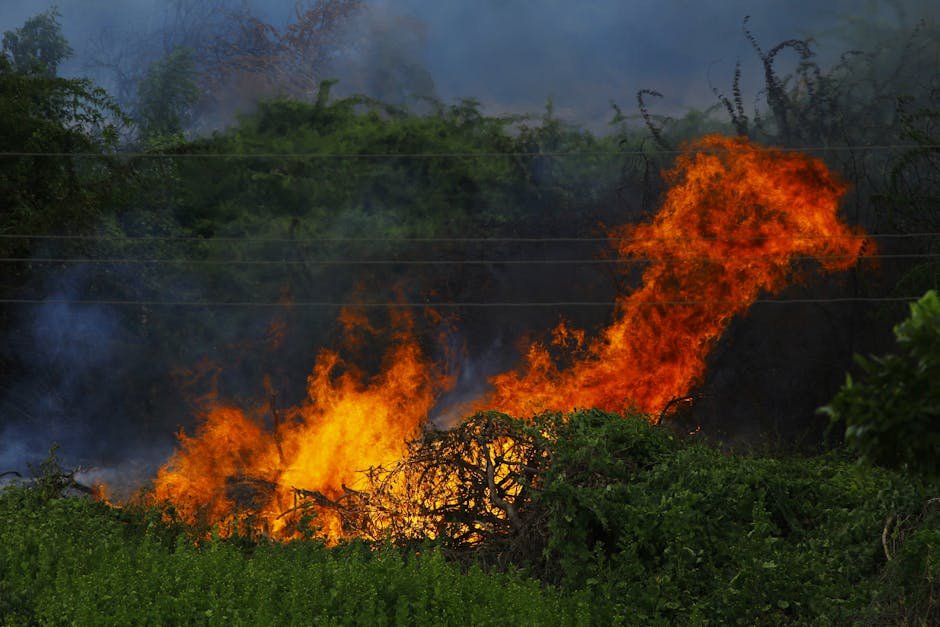
As Dussehra celebrations see effigies of Ravana, Meghnad, and Kumbhkaran consigned to flames across India, a unique tradition thrives in the town of Payal in Punjab’s Ludhiana district, where a grand idol of the Lanka king is revered, particularly by women and girls.
Information was available with The Chenab Times that this distinct practice sees locals worshipping Ravana, believing the deity offers protection from the evil eye and ensures their safety. Rekha, a long-time devotee, shared her personal connection, viewing Ravana as a protective sibling. She has been offering prayers at the idol for over 18 years, noting that many women and girls in the community not only worship the idol but also tie rakhi on its wrist, a sentiment that contrasts sharply with the nationwide custom of burning Ravana’s effigy.
Devotees in Payal expressed a sentiment that the condemnation and burning of Ravana’s effigy nationwide do not align with their beliefs. They highlighted Ravana’s scholarly attributes, contrasting him with contemporary figures who engage in harmful acts against women. The belief is that by worshipping this idol, their personal struggles and worries diminish.
The origin of this unique tradition dates back several decades when a local resident reportedly had a dream about constructing a statue of Ravana. Moved by the vision, the individual proceeded to build the idol, despite facing initial societal disapproval. Over time, the practice of worshipping the Ravana idol gained traction within the community, evolving into the established custom observed today.
This contrasting observance of Dussehra in Payal offers a glimpse into the diverse cultural and religious expressions found within India. While the broader national narrative focuses on the triumph of good over evil through the symbolic burning of Ravana, the residents of this small Punjab town maintain a unique devotional practice, highlighting the multifaceted nature of faith and tradition.


The Chenab Times News Desk