


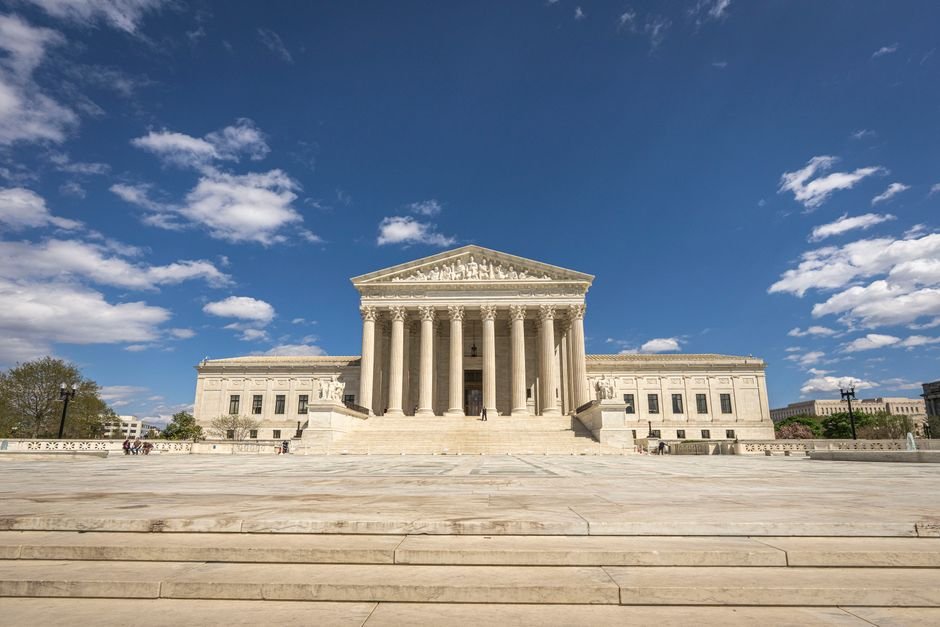
The Supreme Court has issued notices to the Central government and the Election Commission of India (ECI) seeking their responses to a petition challenging the practice of Members of Legislative Assemblies (MLAs) resigning from their seats to switch party loyalty. The petition argues that such actions, often undertaken at public expense, undermine the foundational principles of representative democracy.
The Chenab Times has learned that the apex court’s intervention comes amid concerns raised by the petitioner about the erosion of trust between elected representatives and their constituents. The plea highlights that MLAs who abandon their elected positions shortly after securing a mandate, not due to any compelling circumstances but for personal or political gains by shifting allegiance, engage in a betrayal of the mandate given by the electorate.
The petitioner’s argument, as reflected in court proceedings, emphasizes that such conduct goes beyond merely vacating a seat. It represents a fundamental breach of the trust vested in elected officials by the people they are meant to represent. The act of switching sides without a genuine cause or the consent of the voters who elected them is seen as a subversion of the democratic process.
This legal challenge brings to the forefront the contentious issue of horse-trading and defections in Indian politics, a phenomenon that has frequently led to political instability and questions about the integrity of electoral outcomes. While political parties often engage in strategies to secure numbers in legislative bodies, the petition seeks to introduce a legal framework that discourages the opportunistic resignation of MLAs solely for the purpose of shifting loyalties.
The practice of MLAs resigning and subsequently joining the ruling party or another political faction, often leading to by-elections, places a significant financial burden on the state exchequer. These by-elections, necessitated by such defections, consume considerable public funds that could otherwise be allocated to developmental projects or public welfare schemes. The petitioner contends that this expenditure is incurred at the public’s expense to facilitate what is essentially a transaction of political loyalty.
The Supreme Court’s decision to seek responses from the government and the ECI indicates a judicial recognition of the gravity of the issue and its potential impact on democratic governance. The ECI, as the constitutional body responsible for conducting elections and upholding electoral fairness, is expected to provide its perspective on how such practices can be regulated or deterred. The Central government’s stance will also be crucial in shaping any potential legislative or policy responses.
Legal experts suggest that the court’s notice could pave the way for a broader discussion on electoral reforms aimed at strengthening anti-defection laws and ensuring greater accountability of elected representatives. The petition implicitly calls for mechanisms that would penalize or discourage MLAs from abandoning their seats for reasons other than genuine public interest or a loss of confidence in their own ability to represent their constituents effectively.
The current legal framework, including the Tenth Schedule of the Constitution (anti-defection law), primarily focuses on disqualification of members who voluntarily give up their membership or vote against their party’s whip. However, the petition targets the specific act of MLAs resigning their seats to facilitate defections, thereby circumventing aspects of the anti-defection law and triggering by-elections. The court will likely examine whether the existing laws adequately address this form of political maneuvering.
The Supreme Court’s engagement with this plea underscores the ongoing efforts to cleanse the political process and enhance the sanctity of the electoral mandate. The outcome of this case could have significant implications for the conduct of politics in India and the relationship between elected officials and the electorate.


The Chenab Times News Desk