


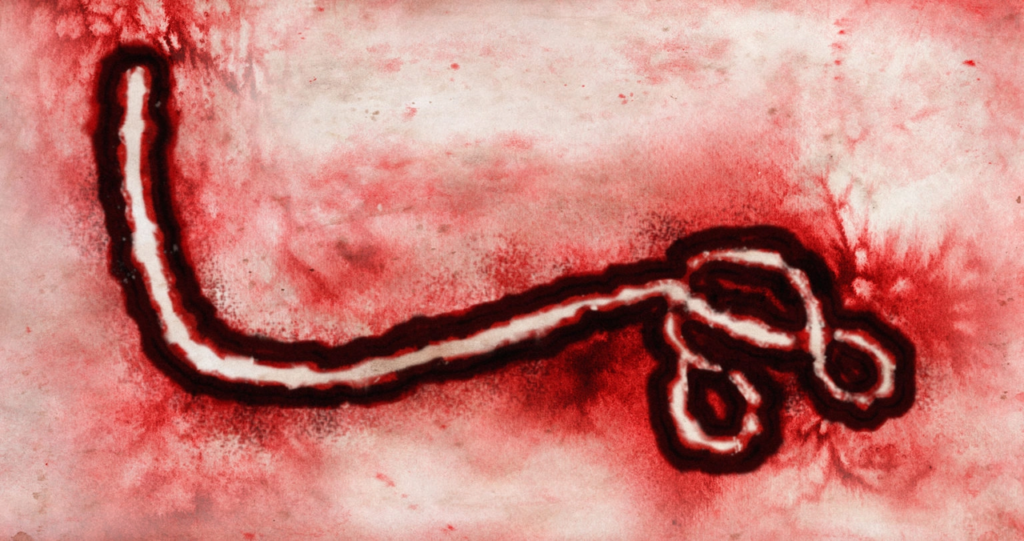
In the Democratic Republic of Congo, religious leaders are playing a pivotal role in combating the ongoing Ebola outbreak, which has been declared a Public Health Emergency of International Concern by the World Health Organization. Pastors and church officials are actively engaging with communities, using their influence to disseminate vital information, counter misinformation, and encourage adherence to health protocols. This mobilization by faith-based organizations is proving crucial in an area where decades of conflict, mistrust, and fear have complicated public health efforts.
The current outbreak, caused by the Bundibugyo virus, is the country’s 17th Ebola outbreak since the virus was first identified in 1976. It has spread across multiple provinces, including Ituri, North Kivu, and Tshopo, and has also seen imported cases in neighboring countries like Kenya and Nigeria. The World Health Organization has reported over 10,000 confirmed cases and nearly 5,000 deaths, making it the deadliest outbreak in the country’s history and the second-largest in recorded history. The Bundibugyo strain is of particular concern as it is not fully covered by existing vaccines.
Churches in the Democratic Republic of Congo, which provide significant social services and hold considerable influence, are leveraging their widespread networks to reach remote populations. Information is being shared through church services, local radio broadcasts, and direct community engagement. This involves educating people about the existence and dangers of Ebola, dispelling myths that the virus was fabricated by outsiders, and emphasizing the importance of early treatment and safe burial practices. Traditional burial rituals, which involve close contact with the deceased, have been a significant challenge in containing the virus, as they often lead to further transmission.
The role of religious leaders extends to comforting those affected and providing support to survivors. Some individuals, like Deo Kasereka, an Ebola survivor and catechist, are using their personal experiences to build trust and encourage others to seek medical attention promptly. Kasereka’s own recovery was attributed to his family’s informed response and early treatment, highlighting the impact of accurate information disseminated through trusted channels. Religious institutions are also working to provide social services, such as care for orphans and support for those displaced by conflict, which are exacerbated by the ongoing health crisis.
Despite the vital contributions of these faith-based efforts, the response teams face significant challenges. These include ongoing armed conflict, poor infrastructure, and violence fueled by mistrust and misinformation, particularly in eastern Congo. The outbreak has also disrupted essential health services, diverting attention from other critical health issues like cholera, and has led to an increase in maternal mortality as pregnant women avoid health facilities due to fear of infection. International organizations such as the World Health Organization and Doctors Without Borders are working in conjunction with local authorities and religious groups to scale up surveillance, treatment, and community awareness initiatives.
The World Health Organization has emphasized that community trust and involvement are critical to halting the virus. Strategies employed by responders include learning local languages, integrating community members into response teams, and collaborating with local authorities. The commitment of pastors and church leaders to adapt worship, provide pastoral care, and promote public health guidance is a testament to their dedication in a region grappling with multiple crises. Their active participation is indispensable in building a resilient community capable of overcoming the devastating impact of the Ebola epidemic.



Global Affairs Desk at The Chenab Times covers international developments, global diplomacy, and foreign policy issues through fact-based reporting, explainers, and analytical pieces. The desk focuses on major geopolitical events, diplomatic engagements, and international trends, with an emphasis on verified information, multiple perspectives, and contextual understanding of global affairs.