


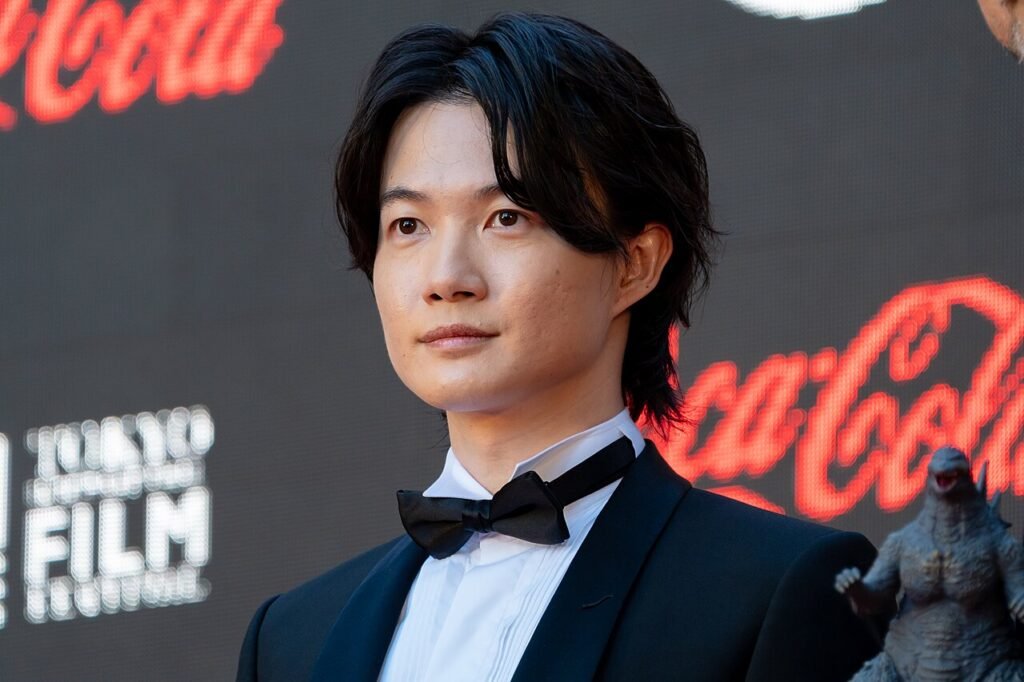
Toho CEO Matsuoka Hiro has revealed that the Japanese film company’s decision to self-distribute the critically acclaimed film ‘Godzilla Minus One’ in the United States was a matter of serendipity rather than a meticulously planned strategic maneuver.
The Chenab Times has learned that Matsuoka shared these insights during a question-and-answer session at the Tokyo Film Festival. The film, directed by Takashi Yamazaki, achieved significant box-office success in the U.S. following its release in December 2023, grossing over $11.4 million.
The direct involvement of Toho in the U.S. distribution marks a notable return to the market after a considerable absence. The company previously relied on partnerships with American studios for the international rollout of its films, a practice that had been in place for decades.
‘Godzilla Minus One’ has garnered widespread praise from critics and audiences alike, with particular commendation for its visual effects and compelling narrative, which places the iconic monster in a post-war Japan grappling with devastation. The film’s success underscores a growing international appetite for Japanese cinema, especially for the long-running Godzilla franchise.
The decision to self-distribute, according to Matsuoka, was prompted by a confluence of factors, including the film’s strong domestic performance and the perceived opportunity to engage directly with the American audience. This move allows Toho to retain greater control over the distribution process and potentially capture a larger share of the revenue.
The film’s impressive box office performance in the U.S. has been a significant talking point in the industry, demonstrating the commercial viability of Japanese films in major international markets when presented effectively. This success could pave the way for Toho and other Japanese studios to adopt similar direct distribution strategies for future releases.
Matsuoka’s comments suggest a flexible approach by Toho, adapting to market conditions and leveraging the success of a particular film to explore new distribution models. The company’s re-entry into the U.S. market signals a potential shift in how Japanese films are brought to global audiences.


The Chenab Times News Desk