


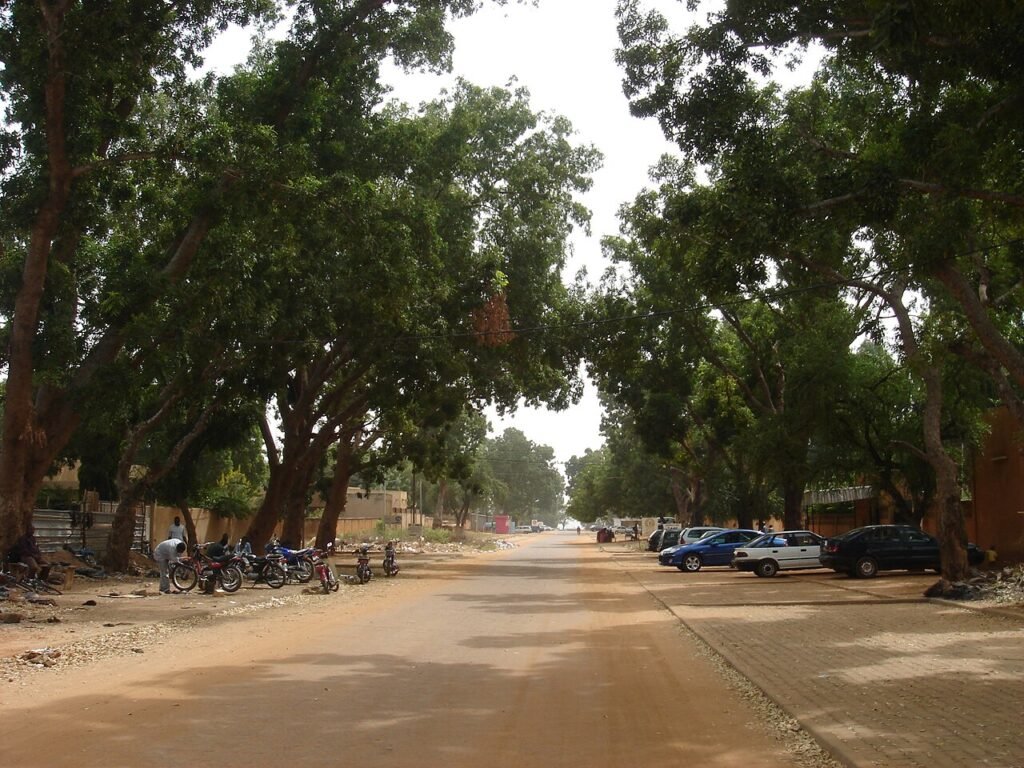
Niamey, Niger, is actively charting a course toward improved urban resilience as it confronts escalating hazards, including severe floods, droughts, extreme heat, and desertification. These climate-related challenges, intensified by increasing variability, pose significant risks to the capital city, which lies along the Niger River and is thus vulnerable to both riverine overflow and urban flooding.
The Chenab Times has learned that an assessment conducted from August 8-10, 2026, by the City of Niamey in collaboration with the United Nations Office for Disaster Risk Reduction (UNDRR) identified key areas for strengthening the city’s capacity in disaster risk reduction (DRR). This initiative, part of the Making Cities Resilient 2030 (MCR2030) program and financed by the CREWS Niger project, utilized the Disaster Resilience Scorecard for Cities, a diagnostic tool based on the Ten Essentials for Making Cities Resilient.
Assessing Niamey’s Resilience Landscape
The assessment placed Niamey at Stage B of the MCR2030 Resilience Roadmap, signifying a phase where cities are actively engaged in better planning. At this juncture, cities focus on aligning local, national, and regional strategies and developing robust policies, systems, and institutional arrangements for effective risk management. The evaluation pinpointed specific actions required for Niamey to advance to Stage C, where the emphasis shifts to implementation of resilience and risk reduction measures.
The assessment noted that an estimated 200,000 residents of Niamey, approximately 6.7% of the city’s population, are exposed to flooding annually. Riverine and flash floods, alongside droughts and extreme heat, are identified as the country’s most significant disaster risks, with climate change exacerbating their frequency and impact.
Pathways to Enhanced Resilience Identified
Key priorities emerged from the assessment, including the crucial need to update the city’s development plan. Participants also advocated for the creation of a dedicated budget line for disaster risk reduction and the establishment of a regional branch of the Operational Center for Monitoring, Warning, and Crisis Management (COVACC) within Niamey. Abdoul Kader Moussa Garba, Deputy Secretary General at the Ministry of the Interior, emphasized that the assessment provided an opportunity to move beyond emergency response by integrating DRR into urban planning and development.
Niamey already possesses strong foundational elements for resilience. These include a regional crisis management committee that convenes before each rainy season, a large-scale reforestation campaign that has resulted in over 100,000 trees planted, and an active network of community-based organizations working in vulnerable neighborhoods.
Broader Context of Urban Resilience in Africa
The efforts in Niamey align with a broader trend across Africa, where cities are increasingly recognized as critical nodes for development and are facing immense pressure from rapid urbanization and climate change. Research indicates that by 2030, 60% of the global population will reside in urban areas, with a significant portion of this growth occurring in Africa. This rapid urbanization, coupled with climate-related disasters such as flooding, droughts, and extreme heat, necessitates a strong focus on urban resilience.
West African cities, in particular, are grappling with amplified vulnerabilities due to factors such as sea-level rise, inadequate infrastructure, and fragmented governance. Studies focusing on cities like Banjul, The Gambia, highlight challenges including blocked drainage systems, inefficient waste management, and loss of green spaces, all of which are exacerbated by climate change impacts. The region faces projected temperature increases and a rise in climate-related extreme events, threatening resources vital to public health and economic stability.
Strategic Initiatives and Support
Initiatives like the MCR2030 are instrumental in empowering sub-national governments by providing tools, knowledge, and resources to manage disaster and climate risks. The UNDRR supports locally-led DRR approaches, fostering multi-stakeholder collaboration and improving access to financing and capacity development. This approach is crucial for institutionalizing risk governance and aligning DRR with climate action plans.
Niger has also been actively updating its climate strategy, validating its Nationally Determined Contribution (NDC 3.0) in May 2026. This revised commitment under the Paris Agreement emphasizes nationally owned strategies, stronger adaptation and resilience for vulnerable communities, and improved access to climate finance. The process integrated cross-cutting priorities such as climate, peace, and security, and addressed the disproportionate impacts of climate change on health and vulnerable groups.
Furthermore, Niger is committed to achieving universal early warning coverage by 2027 through its Early Warnings for All (EW4ALL) initiative, launching a national roadmap in October 2025. This roadmap outlines strategic priorities across the four key pillars of early warning systems, aiming to protect every person in the country. The initiative has garnered strong political support from the Government of Niger and various international partners.
The city of Niamey is also addressing urban heat through greening initiatives, such as the Niamey Climate Forest project. This project aims to demonstrate the role of urban greenery in enhancing climate resilience and mitigating the urban heat island effect, a significant concern in one of the world’s warmest cities. By supporting urban greening, Niamey seeks to alleviate heat stress and its profound social and economic consequences.


The Chenab Times News Desk