


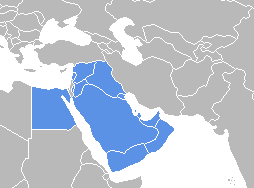
Experts from across the Arab region convened in Cairo to bolster disaster data systems, aiming to enhance risk-informed policymaking and bolster anticipatory actions in the face of increasing hazards.
The Chenab Times has learned that a three-day regional workshop, held from October 27-29, 2026, brought together national disaster management authorities, statisticians, and urban planners to foster a more cohesive and effective approach to collecting and utilizing disaster-related information.
Organized by the United Nations Office for Disaster Risk Reduction (UNDRR), the Economic and Social Commission for Western Asia (ESCWA), and the League of Arab States, the workshop underscored the critical link between robust data and effective disaster risk reduction strategies.
Participants focused on refining methodologies for collecting data on disaster occurrences, impacts, and response efforts. Key discussions revolved around standardizing data collection tools and protocols to ensure comparability and reliability across different countries within the region. The goal is to move beyond reactive responses and towards a more proactive stance in anticipating and mitigating potential disaster impacts.
A central theme of the workshop was the application of disaster statistics for evidence-based decision-making. By providing policymakers with accurate and comprehensive data, authorities can better allocate resources, develop targeted preparedness plans, and implement resilient infrastructure projects. This includes understanding the vulnerability of specific communities and critical infrastructure to various hazards.
Data for Anticipatory Action
The workshop also highlighted the importance of data in supporting anticipatory action frameworks. These frameworks aim to trigger pre-arranged actions, such as early warnings and timely resource mobilization, before a hazard fully materializes, thereby reducing potential loss of life and economic damage. Reliable data on historical events, climate projections, and socio-economic vulnerabilities are essential for the effective design and implementation of such systems.
Arab nations are increasingly facing diverse disaster risks, including extreme weather events such as floods and droughts, as well as seismic hazards and the impacts of climate change. Strengthening data collection and analysis capabilities is therefore a strategic imperative for enhancing the region’s overall resilience.
The collaboration between UNDRR, ESCWA, and the League of Arab States aims to build a more integrated regional approach to disaster risk reduction, where shared knowledge and standardized practices can amplify national efforts. This cooperative framework is expected to facilitate the exchange of best practices and technical expertise among member states.
Officials participating in the workshop emphasized that accurate and timely data is not merely a statistical exercise but a fundamental tool for saving lives, protecting livelihoods, and fostering sustainable development in the Arab region. The insights gained from the Cairo workshop are intended to inform national policies and contribute to the broader global agenda of disaster risk reduction, aligning with the Sendai Framework for Disaster Risk Reduction.


The Chenab Times News Desk